
Across the globe, one of the leading causes of illness and death is heart disease. From young professionals experiencing early hypertension to older adults living with uncontrolled diabetes, cardiac problems are affecting families across the country.
As a Heart Specialist in Lahore, Dr. Ghulam Sarwar frequently treats patients who didn’t know their risk factors until their symptoms became serious. The good news is that many heart conditions can be prevented with early awareness, healthy lifestyle changes, and proper medical care.
This article explains why heart disease is rising in Pakistan, the warning signs to watch for, and practical steps you can take to protect your heart.
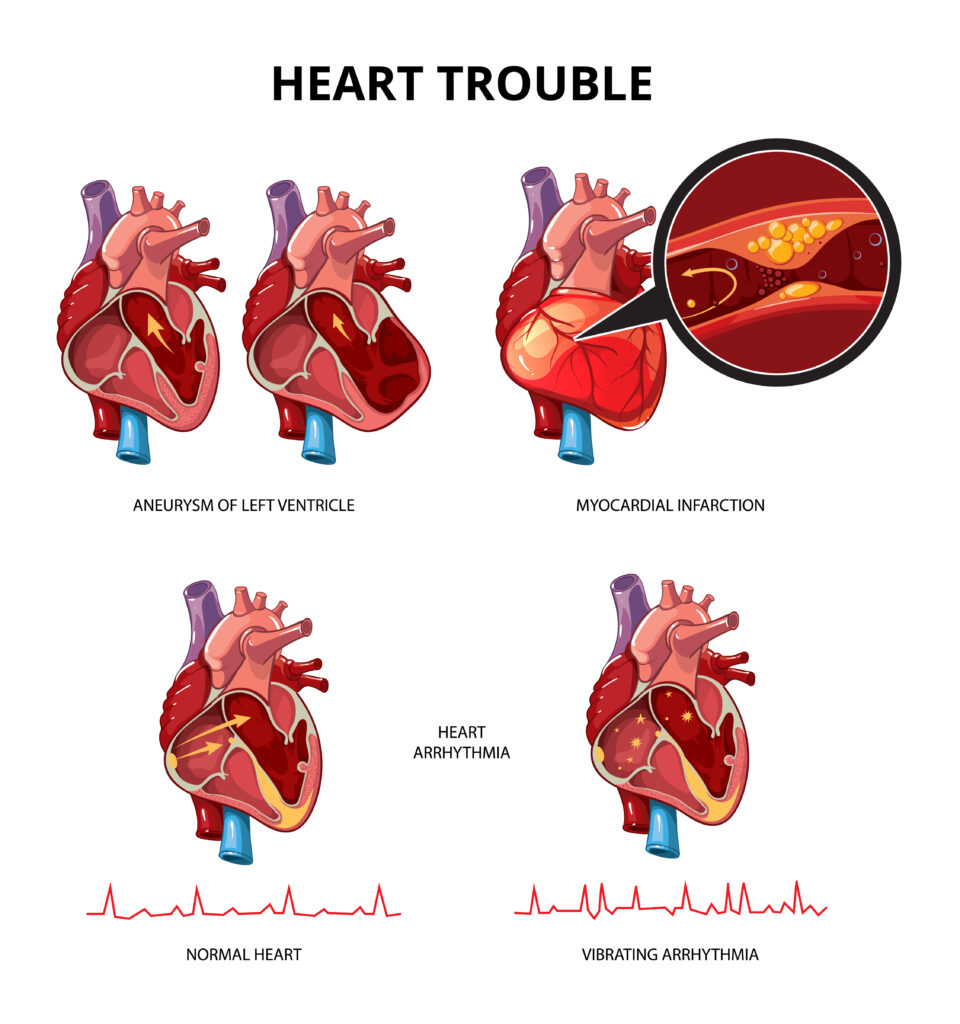
Understanding Heart Disease
Heart disease is a broad term for conditions that affect the structure and function of the heart. It can involve blocked arteries, irregular heartbeats, weak heart muscles, or problems with the heart valve.
In Pakistan, heart disease often develops quietly over many years before any symptoms appear. That’s why learning about it early and consulting a heart specialist in Lahore is so important.
What Is Heart Disease?
Heart disease primarily refers to conditions that block blood flow to the heart or affect how well it pumps. The most common type is coronary artery disease, where plaque builds up in the heart’s arteries. If left untreated, it can lead to:
- Chest pain (angina)
- Heart attack
- Heart failure
- Sudden cardiac arrest
Common Types of Heart Disease
Some of the most common types seen in Pakistani patients include:
- Coronary artery disease
- Arrhythmias (irregular heartbeat)
- Heart failure
- Cardiomyopathy
- Congenital heart disease
Why Are Cardiac Problems Increasing in Pakistan?
Cardiac diseases are rising due to a combination of different factors, such as lifestyle, genetics, and healthcare-related factors. Knowing these causes is the first step in preventing heart disease.
- Unhealthy Dietary Habits
Traditional diets of Pakistan are high in oil, desi ghee, fried foods, and processed carbohydrates, which increase cholesterol levels. Excess use of salt also results in high blood pressure, which is a major risk factor for heart disease.
- Sedentary Lifestyle & Physical Inactivity
City life has reduced physical activity. Long hours at desk jobs, high screen time, and little exercise can lead to weight gain and other health problems.
- Smoking & Tobacco Use
Pakistan has a high prevalence of smoking and smokeless tobacco use. Smoking damages blood vessels, increases clot formation, and significantly raises the risk of a heart attack.
- Rising Diabetes & High Blood Pressure
Diabetes and hypertension are widespread and often poorly controlled. These conditions silently damage blood vessels over time.
- Chronic Stress & Mental Health Factors
Constant stress, anxiety, and work pressure increase cortisol levels, which can elevate blood pressure and inflammation, ultimately leading to plaque buildup in the arteries.
- Genetic Risk in the South Asian Population
South Asians are genetically predisposed to developing heart disease at a younger age. Even people who look slim may have more belly fat and be resistant to insulin.
If you have a family history of heart disease, consulting a Heart Specialist in Lahore for early screening is strongly recommended.
Common Symptoms and Warning Signs
Many patients delay medical attention because early symptoms seem mild. Recognizing warning signs can save lives.
Early Symptoms People Often Ignore
These signs could be warning signals of heart disease and should never be ignored.
- Mild chest discomfort
- Shortness of breath during activity
- Unusual fatigue
- Dizziness
- Swelling in feet or ankles
Warning Signs of a Heart Attack
A heart attack happens when blood flow to part of the heart muscle is blocked. Immediate treatment is critical because delays can cause permanent heart damage.
While chest pain is the most common symptom, heart attacks don’t always show obvious signs, and symptoms can be different for men and women.
Symptoms
- Heavy pressure, tightness, or squeezing pain in the center of the chest
- Pain spreading to the left arm, shoulder, jaw, neck, or back
- Sudden shortness of breath
- Cold sweats
- Nausea or vomiting
The pain often lasts more than a few minutes or disappears and then comes back.
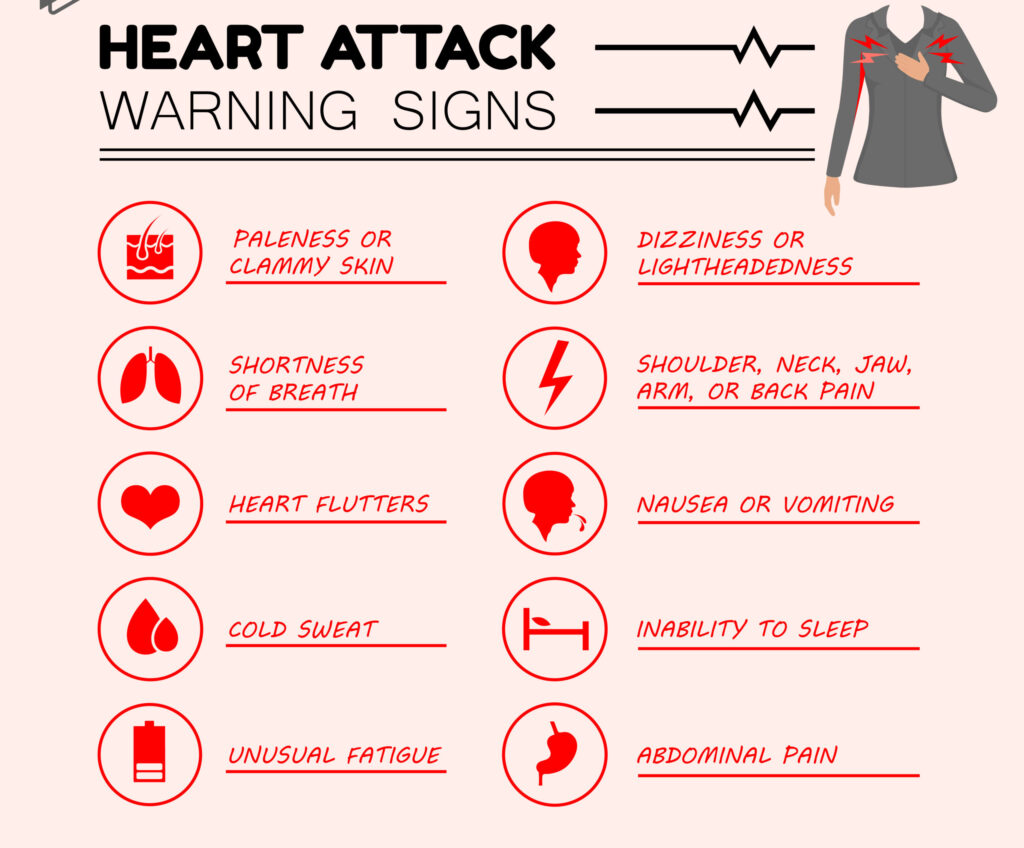
Atypical Symptoms (More Common in Women & Diabetics)
- Unusual fatigue
- Indigestion-like discomfort
- Mild chest tightness rather than severe pain
- Dizziness or lightheadedness
- Shortness of breath without chest pain
People with diabetes may have a ‘silent heart attack’, showing few warning signs because nerve damage can reduce pain sensation.
If you or someone around you experiences these symptoms, seek emergency medical care immediately. Delayed treatment significantly increases the risk of complications such as heart failure or sudden cardiac arrest.
Who Is at Risk for Heart Disease?
Heart disease develops over time due to a combination of controllable and uncontrollable factors. Understanding your risk profile allows for early preventive measures.
Non-Modifiable Risk Factors
These are factors you cannot change:
- Age: Risk increases after 40 in men and after menopause in women
- Family history: Early heart disease in parents or siblings
- Genetic predisposition: South Asians are at a higher risk of early coronary artery disease.
Modifiable Risk Factors
These are lifestyle-related and can be managed:
- High blood pressure (hypertension)
- Diabetes
- High cholesterol
- Smoking or tobacco use
- Obesity
- Physical inactivity
- Chronic stress
In Pakistan, many people have several risk factors at once, which raises their chances of developing heart disease at a younger age. A thorough check-up with a Heart Specialist in Lahore can help identify hidden risks before symptoms appear.
How to Prevent Heart Disease
Heart disease can often be prevented, especially when action is taken early.
- Adopt a Heart-Healthy Diet
- Increase fruits, vegetables, and whole grains
- Reduce fried and processed foods
- Limit salt and sugar intake
- Choose lean protein sources
- Stay Physically Active
Engaging in at least 30 minutes of moderate exercise, five days a week, can significantly improve heart health.
- Maintain a Healthy Weight
Maintaining a healthy weight eases the heart’s workload and helps lower blood pressure.
- Quit Smoking
Stopping tobacco use is one of the most powerful preventive steps.
- Manage Stress Effectively
Practices such as mindfulness, regular sleep, and work-life balance significantly improve cardiovascular health.
- Get Regular Health Screenings
Routine heart health tests and cardiac tests can detect problems early, even before symptoms appear.
If you are unsure about your heart risk, scheduling a consultation with a Heart Specialist in Lahore can provide clarity and reassurance.
Diagnosis and Heart Health Tests
Getting an accurate diagnosis is key to preventing serious complications. Many heart problems can be found early with simple, non-invasive tests. A complete heart check-up usually includes:
1. Electrocardiogram (ECG)
An ECG records the electrical activity of the heart and helps detect:
- Irregular heartbeat (arrhythmia)
- Signs of a previous heart attack
- Ongoing ischemia
2. Echocardiography
This ultrasound of the heart evaluates:
- Pumping strength
- Valve function
- Structural abnormalities
3. Stress Test
A stress test checks how well the heart works during physical activity. It helps detect reduced blood flow due to blocked arteries.
4. Blood Tests
These include:
- Lipid profile (cholesterol levels)
- Blood sugar levels
- Cardiac enzymes (in suspected heart attack cases)
5. Heart Blockage Test (If Indicated)
In high-risk patients, advanced imaging or angiography may be recommended to identify narrowed or blocked coronary arteries.
Not every patient requires all tests. The choice depends on symptoms, risk factors, and clinical evaluation.
Importance of Early Screening
Early screening is one of the most effective strategies for reducing heart-related complications in Pakistan.
Why Early Screening Matters
- Detects high blood pressure before symptoms appear
- Identifies elevated cholesterol early
- Allows diabetes control before vascular damage occurs
- Prevents progression to heart attack or heart failure
Many patients seek medical help only after experiencing severe chest pain. However, heart disease often progresses silently for years.
When Should Screening Begin?
- After age 30-35, if risk factors are present
- Earlier, if there is a strong family history
- Immediately, if symptoms appear
For South Asian populations, earlier and more frequent screening is often recommended compared to Western guidelines.
Routine heart health tests, guided by an experienced Heart Specialist in Lahore, provide an opportunity to intervene early, modify lifestyle risks, and prevent irreversible heart damage.
Preventive cardiology is not just about treating disease; it is about stopping it before it begins.
When Should You See a Heart Specialist in Lahore?
You should consult a doctor if you:
- Experience persistent chest discomfort
- Have uncontrolled diabetes or hypertension
- Have a family history of early heart disease
- Feel unexplained fatigue or breathlessness
Early consultation can prevent long-term damage.
Dr. Ghulam Sarwar, an experienced Heart Specialist in Lahore, focuses on preventive cardiology, accurate diagnosis, and patient-centered care. His approach focuses on early detection, lifestyle advice, and personalized, evidence-based treatment plans.
If you or a loved one is worried about heart health, scheduling a consultation today could save a life.
Take the First Step Toward Better Heart Health
Heart disease in Pakistan is increasing, but it is not unavoidable. With awareness, preventive measures, and expert medical guidance, you can significantly reduce your risk of heart disease.
If you want reliable cardiac care, Dr. Ghulam Sarwar provides thorough evaluation, advanced diagnostic tests, and customized treatment plans. Schedule your consultation today with a leading Heart Specialist in Lahore and take control of your heart health before complications arise.
Your heart deserves timely care, and prevention always begins with the right guidance.