
Once a blocked Arteries is diagnosed, one question that usually comes to mind is whether surgery is truly necessary. The Internet doesn’t help; some say diets and detoxes can remove all plaque, while others say that any blockage means open-heart surgery. The truth lies somewhere in the middle, and understanding it can save you from both fear and unnecessary risk.
This article explains what really happens when an artery is blocked, debunks the myths about revving up a blocked artery, identifies some facts, and explains when it is a must, not an option, to consult an interventional cardiologist.
What does it mean when an artery is “blocked”?
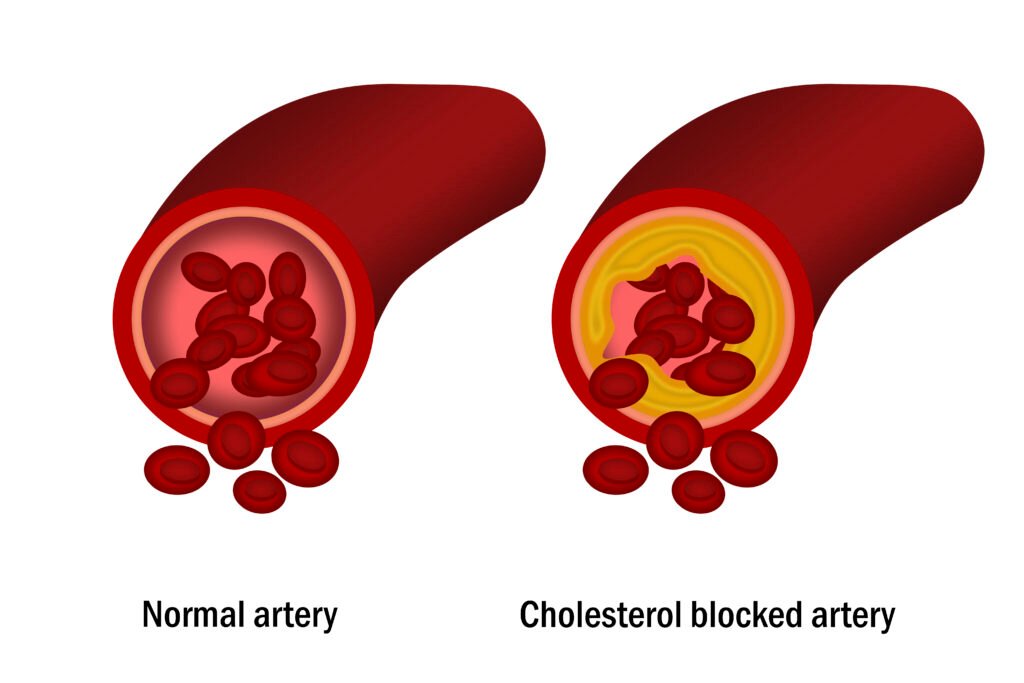
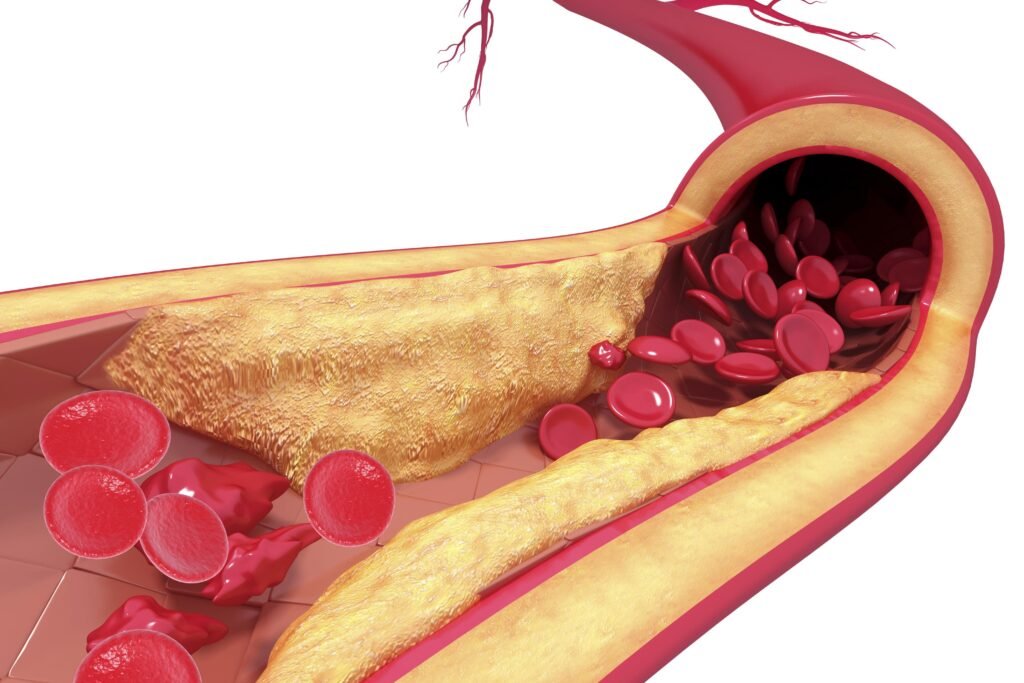
Arteries carry oxygen-rich blood from the heart to the rest of the body. Over the years, plaque can build up on the inner walls of these arteries, consisting of cholesterol, fatty deposits, calcium, and other cellular debris. This is known as atherosclerosis.
As more plaque accumulates, the artery becomes narrower, which slows blood flow. When this occurs in the coronary arteries that supply the heart muscle itself, it can cause chest pain (angina), shortness of breath, or, if a plaque breaks down and forms a clot, a heart attack.
Usually, the severity of a blockage is measured as a percentage of narrowing. If the blockage is less than 50%, it is often treated with lifestyle changes and drugs. If a blockage is between 50% and 70%, it should be closely examined. If symptoms are present and the blockage is greater than 70%, active intervention may be required.
Myth 1: Diet and Supplements Can Completely Dissolve Plaque
It is incorrect because plaque cannot be completely dissolved with diet and supplements. This is one of the common misconceptions about heart health. Some foods and lifestyle changes really do help, but more on that later; none of these diets, detoxes, or supplements have been scientifically proven to remove hardened arterial plaques, especially calcified ones.
However, research shows that good control of cholesterol, blood pressure, and inflammation can slow plaque growth, make existing plaque less likely to rupture, and, in a few studies, slightly reduce soft, non-calcified plaque. That is better than any “reversing” or “clearing” that can only be achieved with food.
Myth 2: Any Blockage Means You Need Open Heart Surgery
This myth is as much to be avoided as the first one, but it’s on the other side of the coin. In fact, many blockages are now treated without open surgery.
That’s where the field of interventional cardiology fits in. An interventional cardiologist focuses on the treatment of blocked arteries using minimally invasive procedures (known as catheter-based procedures) instead of open surgery. The most popular non-surgical treatments are as follows:
- Angioplasty: A thin catheter with a small balloon is inserted into a blood vessel (typically through the wrist or groin) and uses the balloon to open the blocked artery. The balloon is inflated to push plaque away from artery walls, easing blood flow.
- Stenting: This is usually done with angioplasty and uses a small tube (stent) to keep the artery open, decreasing the risk of the artery narrowing again.
So What’s the Medical Reality?
It depends on the severity of the blockage, its location, the number of arteries involved, and the general condition of your heart.
For mild to moderate blockages, treatment often involves lifestyle changes, blood pressure control, medications, including statins, and regular monitoring; no procedure is necessary.
An interventional cardiologist can perform angioplasty and stenting procedures to unclog the blockage and relieve symptoms without open surgery when the blockage is significant.
In certain cases, stenting does not provide as good a long-term result as a bypass, such as in patients with diabetes or low heart pump function, or when multiple arteries are heavily narrowed, or when the blockage is located at a difficult point in the artery and a bypass is still the better option.
That is, clogged arteries can be unclogged without opening the vessels in a significant number of patients, but the decision must be based on proper diagnostic testing, not internet claims or guesswork.
What Actually Helps Slow or Improve Arterial Health
While complete reversal through lifestyle alone isn’t realistic for established blockages, these evidence-based steps genuinely help protect your arteries and support any medical treatment you receive:
- Managing LDL (“bad”) cholesterol through diet and, when needed, medication
- Controlling blood pressure and blood sugar
- Quitting smoking, which is one of the single most damaging factors for artery health
- Regular physical activity appropriate to your condition
- Managing stress and getting adequate sleep
These steps don’t replace medical treatment for a significant blockage but meaningfully reduce your risk of new blockages forming and support the long-term success of any procedure you undergo.
When Should You See a Specialist?
If you have chest pain, if you find you are short of breath, if you are tired while doing normal activity, if you have high cholesterol, diabetes, hypertension, or a family history of heart disease, don’t assume you are fine because you eat “clean” or you are panicking that you will have to undergo “big” surgery.
The first step in proper evaluation usually involves an electrocardiogram (ECG), an echocardiogram, a stress test, or coronary angiography, a machine-based test that will give a specialist a clear picture of how severe your blockage is and how you can treat it in your individual case.
Expert Consultation at Omar Hospital
At Omar Hospital, Dr Ghulam Sarwar provides expert assessment and treatment of coronary artery disease, from lifestyle and medical intervention to advanced minimally invasive techniques, offering patients clear and honest guidance on their options and the best path forward for their condition.
With years of clinical experience, Dr Ghulam Sarwar helps patients understand exactly what their test results mean and which treatment option – medication, angioplasty and stenting, or surgery genuinely fits their situation, rather than defaulting to the most invasive option out of caution.
If you’ve been advised that you have a blocked artery and you don’t know what to do next, make an appointment with Dr Ghulam Sarwar at Omar Hospital for a clear, personalised answer.