
In the last few decades, heart surgery has undergone a remarkable transformation. Procedures that once required lengthy hospital stays, large incisions, and long recovery times are now safer, more precise, and easier for patients to tolerate. Innovation, technology advancements, and an improved understanding of heart disease are driving these improvements.
Today’s cardiac surgery is much more than the traditional open-heart procedure. Surgeons use advanced techniques and tools to reduce pain, speed up recovery and improve long-term results. These innovations are not just impressive, but can also be life-changing to patients with heart disease.
This blog will examine the top five innovations that are currently transforming heart surgery. We will draw on trends observed in medical journals and clinical practice.
What Is Cardiac Surgery?
Cardiac Surgery is a surgical intervention on the heart or major blood vessels that are connected to it. It is used to treat conditions that cannot be treated by medication or lifestyle changes. Some of the most common reasons for heart surgery are:
- Blockage of the coronary arteries
- Damaged or leaky heart valves
- Congenital structural heart defects
- Severe heart failure
- Certain heart rhythm disorders
In the past, heart surgery involved opening the chest and stopping it temporarily. Modern cardiac care prioritizes patient comfort and reducing surgical trauma. Heart surgery is becoming more focused on quality of life after the procedure, not only survival.
Innovations In Cardiac Surgery
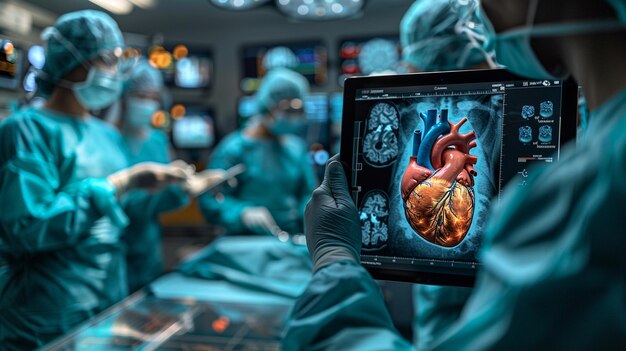
In recent years, cardiac surgery has made rapid advances. New technologies and techniques have made procedures safer, more precise and easier to recover from. These innovations are changing the way heart conditions are treated.
1. Minimally Invasive Cardiac Surgery Procedures
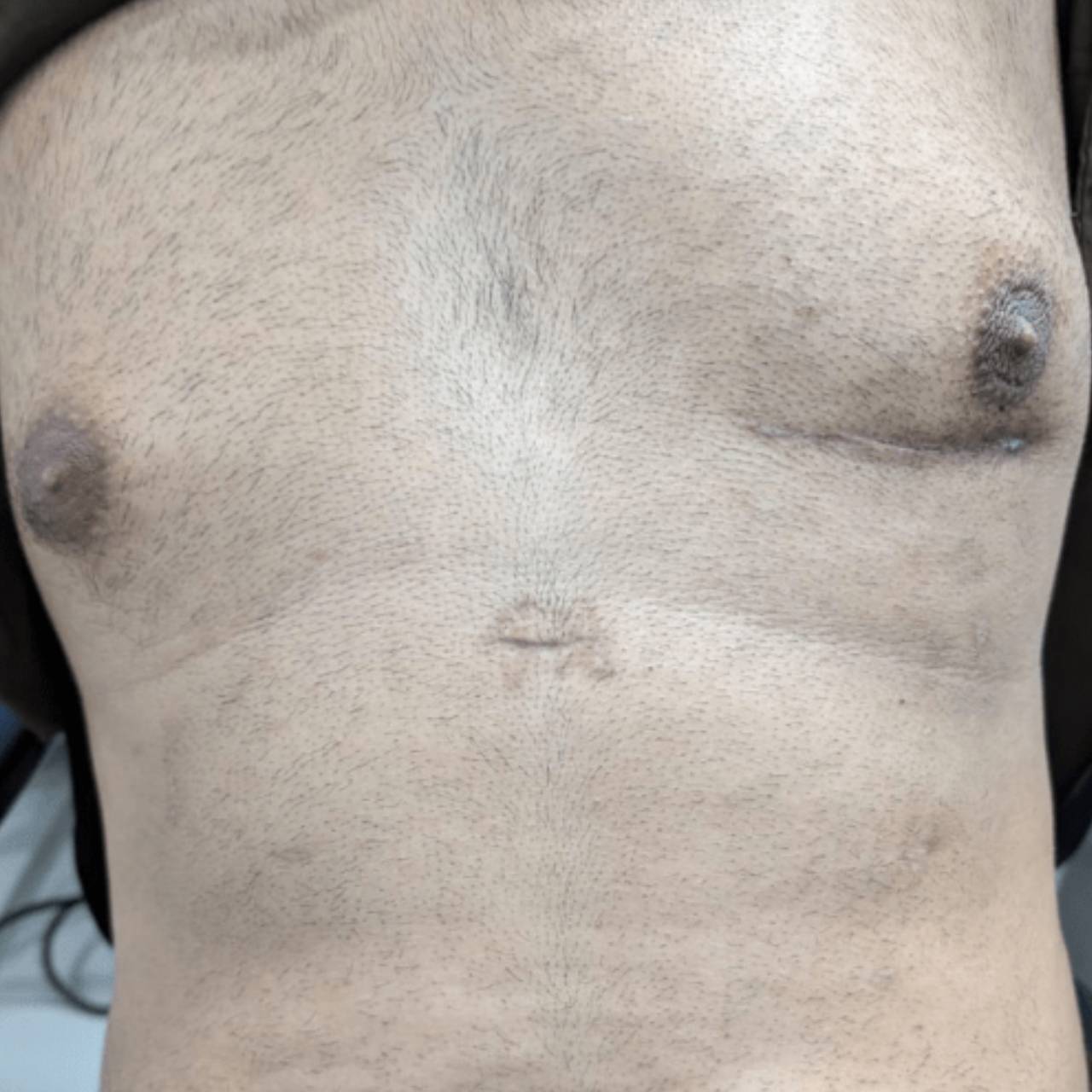
The move towards hybrid and minimally invasive cardiac surgery procedures is a significant advance in heart surgery. These techniques do not require large chest incisions and instead use more minor cuts or catheter-based procedures. Hybrid procedures combine traditional surgery and interventional cardiology to treat heart problems more effectively.
The following are some of the key benefits:
- Less scarring and smaller incisions
- Reduced bleeding during surgery
- Reduced risk of infection
- Shorter hospital stays
- Faster recovery to return to normal activities
These procedures can be invaluable for patients who are older or may not tolerate open-heart surgeries well.
2. Robotic-Assisted Cardiac Surgery:
The surgeon controls specialized robotic systems that are used in robotic-assisted heart surgery. This improves precision and control. These systems allow surgeons to perform complex heart procedures with small incisions. This accuracy is crucial for valve repairs and complex bypass surgery.
The advantages of robotic-assisted surgeries include:
- Improve surgical precision
- Improved visualization of the heart structures
- Reduced postoperative discomfort
- Faster recovery times
- Improved cosmetic results
Robotic technology is becoming increasingly important in modern heart surgery.
3. Advanced Imaging and 3D Technology
Advanced imaging techniques have revolutionized the way cardiac surgeons plan operations and perform them. High-resolution images provide surgeons with detailed insight into the heart structure.
Some surgeons create 3D heart models to help them strategize complex surgical procedures before the surgery. This helps to minimize any unexpected complications during the surgery.
Advanced imaging aids for:
- Accurate diagnosis of heart diseases
- Improved surgical planning
- Boost precision during procedures
- Lower surgical risks
The technology allows for more personalized surgery, which leads to improved outcomes for patients.
4. Transcatheter therapies for structural heart disease
Transcatheter therapy is one of the most innovative advances in heart care. The procedures allow surgeons to replace or repair heart valves without having to open the chest. This makes recovery for patients much easier. Transcatheter aortic replacement (TAVR) is a well-known procedure where a new heart valve is delivered through a catheter inserted in a blood vessel, usually the leg.
Benefits of transcatheter therapy include:
- Open-heart surgery is not required
- Shorter hospital stays
- Lower risks for high-risk patients
- Faster recovery
These interventions have expanded the options for patients who were previously considered unsuitable to undergo surgery.
5. Intelligent Systems for Cardiac Surgery Planning
In heart surgery, intelligent systems play an increasing role in planning and decision-making. These systems use medical images, data from patients, and surgical results to help guide surgeons when choosing the best treatment path. They do not replace surgeons’ expertise, but they can provide valuable insights and support, improving overall patient care.
Medical professionals who keep up-to-date with the latest innovations can make better decisions for their patients, and patients and their family members can gain an understanding of the changing landscape of heart surgery.
What are the benefits of these innovations for patients?
All of these advances have a similar goal: to improve patient outcomes while reducing risks. Together, these advances have made cardiac surgery a safer field.
Benefits to Patients
- Reduced surgical trauma
- Less pain after surgery
- Shorter recovery times
- Heart function is improved over the long term
- Improved overall quality of Life
These innovations are also a shift in healthcare for medical students and professionals.
Final Thoughts
Cardiac Surgery is not what it was. The field has changed rapidly due to innovation, technology and a focus on patient-centered care. These advances, from minimally invasive surgery to AI-supported planning, are changing the way heart disease is managed.
Students gain an understanding of the future of cardiac treatment by learning about these advances. As cardiac surgery continues to improve, it will become safer, more precise and more effective.
Heart disease patients can find new hope with early diagnosis, expert surgical treatment, and modern techniques.