
Most people believe that heart attacks begin with sudden, severe chest pain. In fact, symptoms can begin mildly and can be mistaken for acidity, stress, fatigue, or muscle pain.
Pain that travels down the arm or to the jaw, nausea, sweating, unusual tiredness, or shortness of breath are all early warning signs of a heart attack. Recognising these heart attack symptoms early can help save the heart muscle and improve survival rates.
What Does Chest Pain Spreading to the Jaw or Arm Mean?
When the heart does not receive enough oxygen-rich blood, it sends pain signals through nearby nerves. Because these nerves connect to other parts of the body, you may experience discomfort outside of your chest.
Pain may spread to:
- Jaw
- Left arm
- Both arms
- Neck
- Shoulder
- Upper back
The pain can feel like pressure, heaviness, burning, squeezing, or an ache. In some patients, the discomfort in the jaw or arm is greater than the chest pain.
What Is a Silent Heart Attack?
A silent heart attack happens when blood flow to part of the heart becomes blocked, but symptoms are mild, unusual, or unnoticed. Some people only discover later that they had one during heart testing.
Even when symptoms are not dramatic, damage to the heart muscle can still occur. This is why you should never ignore mild but persistent heart attack symptoms.
Common Heart Attack Symptoms
Symptoms of a heart attack can vary from person to person. Some people feel sudden, intense chest pressure, while others notice milder warning signs.
Common symptoms include:
- Chest pressure, heaviness, or tightness
- Pain spreading to the jaw or arm
- Shortness of breath
- Cold sweating
- Nausea or vomiting
- Dizziness
- Sudden weakness
- Fast or irregular heartbeat
- Unusual fatigue
- Anxiety with chest discomfort
Symptoms may appear suddenly or develop gradually over minutes or hours.
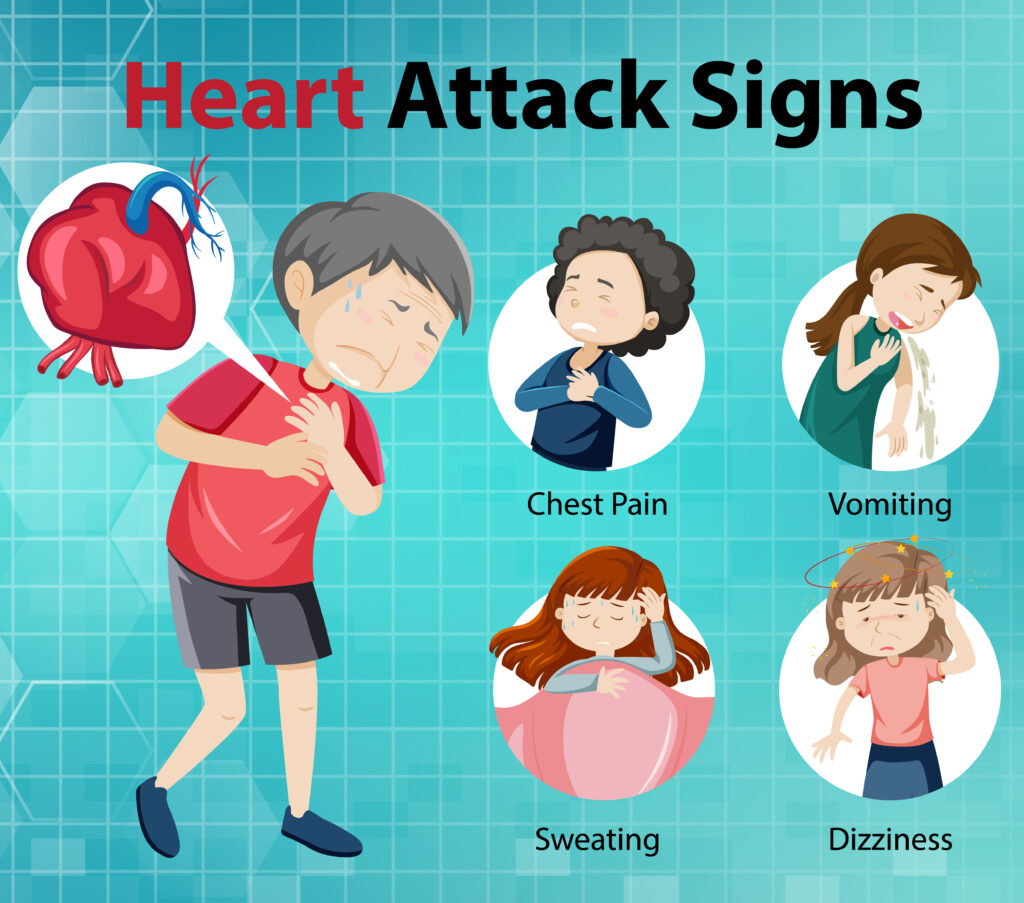
Heart Attack Symptoms in Women
Women do not always experience the classic severe chest pain often linked with heart attacks. Many women develop more subtle symptoms, which may delay treatment.
Women may notice:
- Pressure or discomfort in the chest
- Pain in the jaw, neck, shoulder, or back
- Unusual tiredness for days
- Nausea or indigestion-like discomfort
- Shortness of breath
- Sweating
- Lightheadedness
- Trouble sleeping before symptoms begin
Because these symptoms can seem unrelated to the heart, women should seek urgent care if they are unusual or persistent.
Silent Heart Attack Symptoms in Older Adults and Diabetics
Older adults and people with diabetes may have reduced pain sensitivity or unusual symptoms. This can make a heart attack harder to recognise.
Warning signs may include:
- Breathlessness
- Weakness
- Confusion
- Mild chest discomfort
- Excessive fatigue
- Sweating
- Dizziness
Any unexplained or sudden change in health should be assessed quickly.
Why Does a Heart Attack Happen?
Most heart attacks happen when fatty plaque builds up inside the heart’s arteries. If the plaque ruptures, a blood clot can suddenly block blood flow.
Without oxygen, part of the heart muscle begins to get damaged. The longer the blockage remains untreated, the greater the risk of permanent injury.
Risk Factors That Increase Heart Attack Risk
Several health conditions and lifestyle habits increase the chance of developing heart disease. These include:
- High blood pressure
- Diabetes
- High cholesterol
- Smoking
- Obesity
- Family history of heart disease
- Stress
- Lack of exercise
- Poor diet
- Increasing age
For women, risk may increase post-menopause. Having high blood pressure while pregnant, gestational diabetes, or PCOS can also increase your long-term risk for heart disease.
The Role of Blood Pressure
High blood pressure can damage the artery walls and promote plaque buildup. It also increases the heart rate.
Controlling blood pressure with medication, diet, and exercise is one of the most effective ways to reduce future risk.
Why Jaw or Arm Pain Happens
The heart has nerve pathways with adjacent areas. As a result, pain originating from the heart can be felt in the jaw, shoulder, arm, neck, or upper back. This is known as referred pain.
Some people experience jaw pain or arm discomfort before noticing chest pressure, making these important heart attack symptoms to recognise early.
What to Do Immediately
Quick treatment can reduce heart damage and improve outcomes. If chest pain spreads to the jaw or arm:
- Stop physical activity immediately
- Sit down and stay calm
- Call emergency medical help
- Loosen tight clothing
- Take aspirin only if already advised by your doctor
- Do not drive yourself if symptoms are severe
Emergency Heart Attack Symptoms You Should Never Ignore
If you are experiencing the following symptoms, seek urgent medical attention immediately:
- Chest pain lasting more than a few minutes
- Pain spreading to the jaw, arm, neck, or back
- Sudden sweating
- Shortness of breath
- Fainting or collapse
- Severe weakness
- Repeated chest pressure that comes and goes
How Is a Heart Attack Diagnosed?
Doctors use a variety of tests to determine whether symptoms indicate reduced blood flow or cardiac damage. This may include:
- ECG
- Troponin blood test
- Echocardiogram
- Stress test (when appropriate)
- Coronary angiography
Treatment for a Heart Attack
Treatment depends on how severe the blockage is and how quickly treatment is begun. Options can include:
- Emergency medicines
- Blood thinners
- Oxygen support if needed
- Angioplasty with stent placement
- Advanced cardiac procedures
- Long-term heart medicines
Recovery After a Heart Attack
We are all different. Recovery is different. Some patients recover in weeks, others need longer rehabilitation.
Treatment usually improves recovery and reduces complications, especially if it is administered soon after the symptoms of a heart attack appear. Medication, follow-up visits, gradual exercise, stress management, and dietary changes are frequently used to aid in recovery.
Complications of Delayed Treatment
Ignoring symptoms of a heart attack can lead to serious complications such as:
- Heart failure
- Irregular heartbeat
- Permanent heart muscle damage
- Reduced pumping strength
- Repeat heart attack
- Sudden cardiac arrest
Practical Steps to Lower Your Risk
Protect your heart by making healthy daily choices:
- Stop smoking
- Control blood pressure and diabetes
- Exercise regularly
- Eat a heart-friendly diet
- Reduce salt and fried foods
- Maintain a healthy weight
- Sleep well
- Manage stress
- Get regular heart checkups
Women should also monitor their heart health after menopause and consult their doctor about pregnancy-related risks.
When to See a Heart Specialist
If you have recurrent chest discomfort, jaw pain, arm pain, shortness of breath, unusual fatigue, or multiple risk factors, early diagnosis is important.
Early consultation with experienced Dr. Ghulam Sarwar can help to detect heart disease early and can lead you to the right treatment before complications develop.

Frequently Asked Questions
Can heart attack symptoms appear a month earlier?
Yeah. Some people feel unusual tiredness, poor stamina, mild chest pressure, or breathlessness days or weeks earlier.
Can jaw pain alone be a heart attack sign?
Yes. Sometimes jaw pain occurs without severe chest pain, especially in women or older adults.
Is every arm pain related to the heart?
No. Common causes include muscle strain, nerve issues, and joint pain. However, arm pain with chest discomfort should be evaluated immediately.
Can silent heart attacks happen unnoticed?
Yes. Some people only find a silent heart attack later during routine heart testing.