
An aortic aneurysm is a serious condition that causes the aorta to weaken and bulge, and it often does not have early symptoms. If not treated in time, it can become life-threatening.
Modern cardiac surgery offers effective treatment options, including open and minimally invasive techniques. This guide explains in simple terms symptoms, treatment methods, and the latest surgical advances.
Understanding Aortic Aneurysm and the Role of Cardiac Surgery
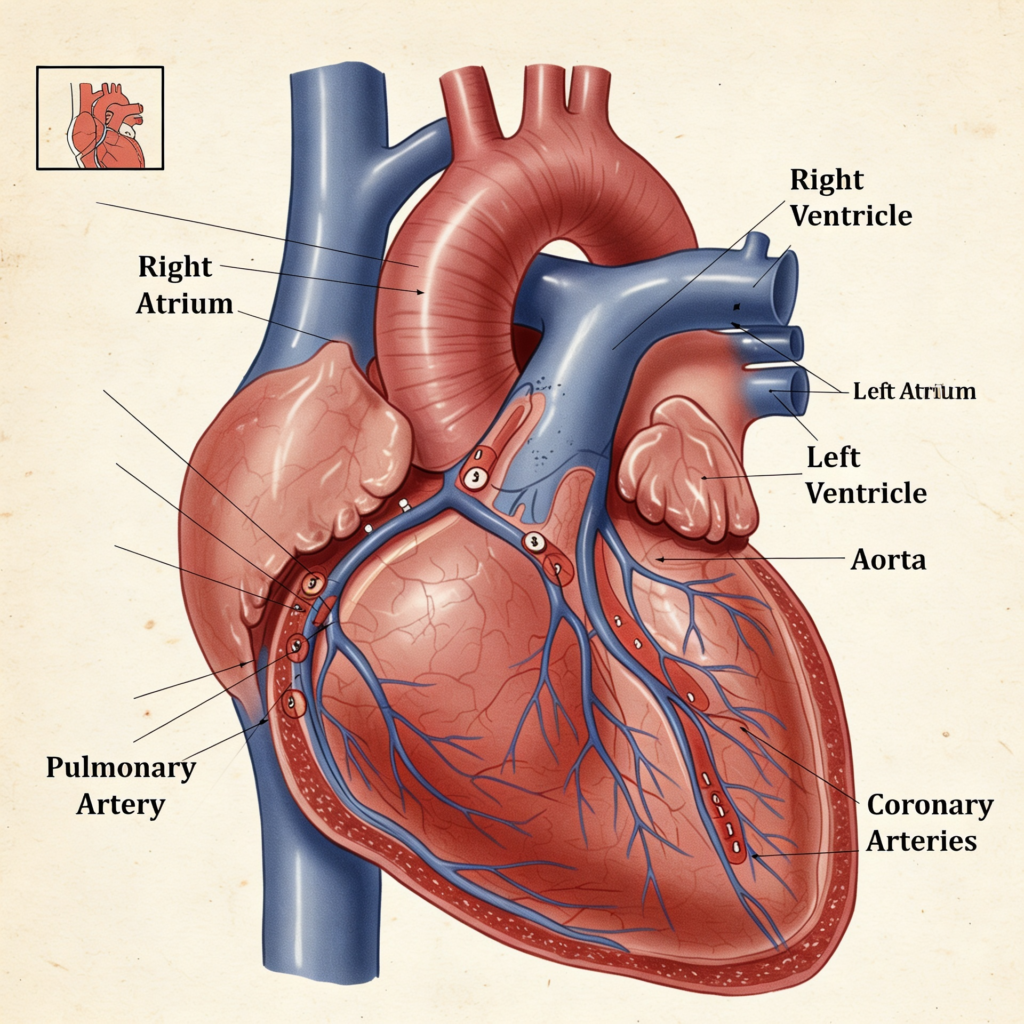
An aortic aneurysm develops when a section of the aorta weakens and begins to bulge outward. This condition often goes unnoticed, but when the aneurysm bursts, it could become life-threatening within minutes. That is why early detection and timely treatment are critical.
Modern heart surgery has significantly improved the management of aortic aneurysms. From early diagnosis to advanced repair techniques, surgical care now aims not just to save lives but to improve long-term outcomes and recovery.
What Is Aortic Aneurysm Repair in Cardiac Surgery?
Aortic aneurysm repair is a specific operation in cardiac surgery for the prevention of rupture by reinforcing or replacing the weakened part of the aorta. The decision to operate is based on the size of the aneurysm, how fast it is growing, and the patient’s health.
Rather than a one-size-fits-all solution, treatment is highly personalised. Surgeons consider, for example, whether a minimally invasive approach or traditional open repair will lead to the safest and most effective outcome.
Types and Locations of Aortic Aneurysms
The location of the aneurysm plays a major role in determining the type of cardiac procedures and surgeries required. Each type presents different risks and surgical challenges.
Thoracic Aortic Aneurysm
This type is located in the chest and can involve the ascending aorta, the aortic arch, or the descending aorta. Because of its proximity to the heart, it often requires highly specialized types of cardiac surgery.
Abdominal Aortic Aneurysm
It is the most common type, which is found in the lower part of the aorta. It may remain unnoticed for years, but it can become dangerous if it enlarges or ruptures.
Thoracoabdominal Aneurysm
This complex form spans both the chest and abdomen. It often requires advanced surgical planning and may involve a combination of techniques for effective repair.
Diagnosing Aortic Aneurysm: Symptoms and Warning Signs
Many aortic aneurysms do not cause noticeable symptoms until they become large or rupture. This makes awareness and screening especially important for high-risk individuals.
In some cases, patients may experience:
- Persistent chest or back pain
- Shortness of breath
- A pulsating feeling in the abdomen
- Difficulty swallowing or hoarseness
If rupture occurs, symptoms become sudden and severe. These include intense pain, dizziness, low blood pressure, and loss of consciousness. Immediate emergency care is essential in such situations.
Diagnostic Imaging Techniques in Heart Surgery
Accurate diagnosis is the foundation of effective heart surgery. Imaging technologies allow surgeons to assess the aneurysm in detail and plan the most appropriate treatment.
Common diagnostic tools include:
- CT scans for detailed cross-sectional images
- MRI for soft tissue evaluation
- Echocardiography to assess heart involvement
- Ultrasound for abdominal aneurysms
These tools help determine whether immediate heart surgery in Pakistan is required or if monitoring is sufficient.
Who Needs Aortic Aneurysm Surgery?
Not all aneurysms require surgery right away. In many cases, small aneurysms are monitored regularly. However, intervention becomes necessary when the risk of rupture outweighs the risks of surgery.
Doctors usually recommend cardiac surgery procedures when:
- The aneurysm reaches a critical size
- Rapid growth is observed over time
- Symptoms begin to appear
- There is a high risk of rupture based on the patient’s history
Treatment Options in Heart Surgery for Aortic Aneurysm
Treatment strategies have evolved significantly, offering both traditional and minimally invasive solutions. The goal is always to prevent rupture while minimising risk and recovery time.
- Endovascular Aneurysm Repair (EVAR)
Endovascular repair is a modern form of minimally invasive cardiac surgery that avoids large incisions. Instead, a stent graft is inserted through a catheter, usually via the groin, and guided to the aneurysm site.
This technique reduces trauma to the body and allows for quicker recovery. It is especially beneficial for patients who might not tolerate open surgery well. However, not all aneurysms are candidates for EVAR, because the anatomy must allow adequate placement of the graft.
- Open Surgical Repair
Open repair remains a highly reliable option, particularly for complex or large aneurysms. In this type of open heart surgery, the surgeon removes the weakened portion of the aorta and replaces it with a durable synthetic graft.
Although recovery takes longer compared to minimally invasive approaches, open surgery offers long-term stability and is often preferred for younger patients or complicated cases.
What Happens Before, During, and After Surgery?
The surgical journey involves careful preparation, precise execution, and structured recovery.
Before surgery, patients undergo a thorough evaluation that includes imaging, blood tests, and risk assessment. During the procedure, the surgical team repairs or replaces the affected section of the aorta under controlled conditions.
After surgery, patients are monitored in intensive care before gradually transitioning to recovery. Follow-up care is essential to ensure proper healing and prevent complications.
Meet the Expert: Dr. Ghulam Sarwar
Choosing the right surgeon is one of the most important decisions in undergoing cardiac surgery.
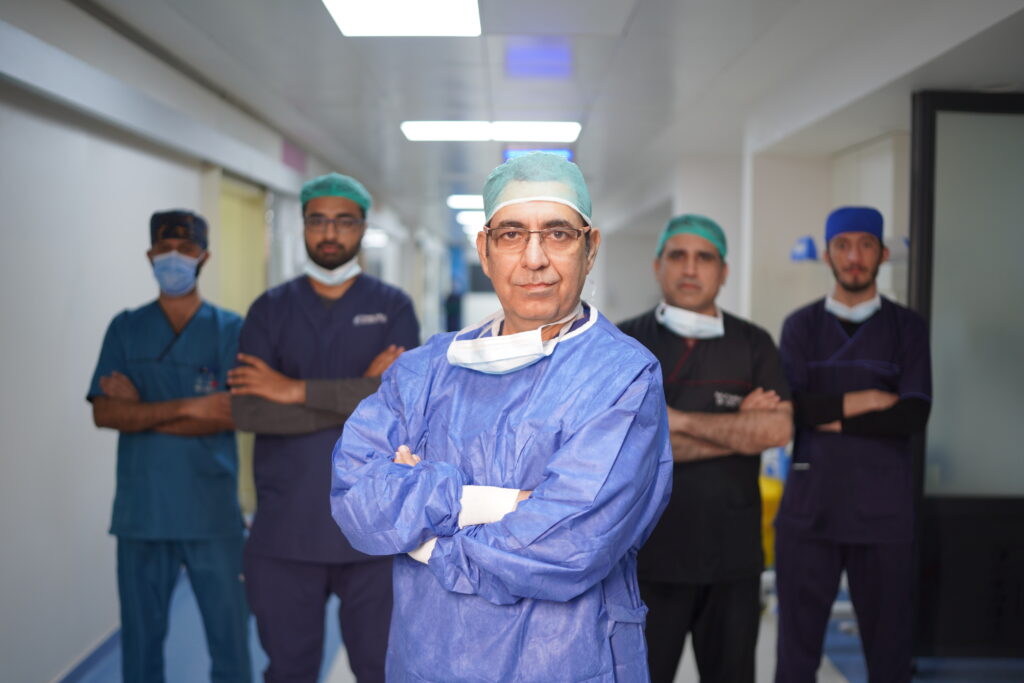
Dr. Ghulam Sarwar is recognized for his expertise in complex heart procedures, including aortic aneurysm repair.
With extensive experience in both traditional and minimally invasive techniques, he focuses on delivering personalised care tailored to each patient’s condition. His approach combines surgical precision with a strong emphasis on patient safety and long-term recovery.
Advantages of Aortic Aneurysm Surgery
Surgical repair offers several life-saving benefits. It not only prevents rupture but also restores stability to the aorta, allowing patients to return to a more active and secure lifestyle.
Key advantages include the following:
- Prevention of life-threatening complications
- Improved survival rates
- Better quality of life
- Long-term vascular support
Risks and Complications of Heart Surgery
Like all major procedures, cardiac surgery procedures carry some risks. These are carefully managed through pre-surgical planning and expert care.
Possible complications may include:
- Infection
- Bleeding
- Blood clots
- Organ-related issues
With experienced surgeons and modern facilities, the likelihood of severe complications is significantly reduced.
Survival Rates and Recovery Timeline
Advancements in heart surgery have greatly improved survival outcomes, especially when aneurysms are treated before rupture.
Recovery varies depending on the procedure. Patients undergoing minimally invasive surgery often recover faster, while open surgery may require a longer healing period.
Most patients can expect:
- A hospital stay of several days
- Gradual return to normal activities
- Full recovery in weeks to months
Recovery, Aftercare, and Lifestyle Changes
Recovery does not end after discharge. Long-term care is important for sustaining surgical success and avoiding further complications.
Patients are encouraged to follow healthy habits such as controlling blood pressure, following a healthy diet, and avoiding smoking. Regular follow-ups are key to tracking progress and identifying problems early.
Latest Techniques in Aortic Aneurysm Repair
The field of minimally invasive cardiac surgery in Pakistan continues to evolve with new technologies that enhance precision and safety.
Recent advancements include:
- Fenestrated and branched EVAR for complex aneurysms
- Hybrid procedures combining open and endovascular techniques
- AI-assisted imaging for accurate surgical planning
- Improved graft materials for durability
These innovations are transforming outcomes and making treatment more accessible.
When Should You See a Doctor?
Early consultation can make a big difference in results. Patients should consult a doctor if they have ongoing pain, unusual symptoms, or a family history of aneurysms.
After surgery, any signs of infection, swelling, or unusual discomfort must be reported to a healthcare provider immediately.
Expert Cardiac Surgery for Aortic Aneurysm Care
Aortic aneurysm repair is a critical and highly specialized cardiac surgery that requires timely diagnosis and expert intervention. With modern techniques and improved medical care, patients now have access to safer procedures and better recovery outcomes.
Dr. Ghulam Sarwar offers advanced expertise in managing complex aortic conditions, ensuring each patient receives comprehensive and personalised care. Seeking timely consultation with an experienced cardiac surgeon can significantly improve survival and long-term health.