
Taking care of our hearts is crucial for our overall health, as the heart is the primary organ that allows the body to function correctly. The heart works tirelessly to pump blood, deliver oxygen, and make sure that every part of our body functions properly. If heart health is compromised, then everyday life can become difficult.
While the thought of heart surgery can be scary, advancements in medicine have made the procedures safer, more effective, and more common than many people realise. This beginner’s guide aims to explain cardiac surgery procedures simply. So stick till the end to understand how heart surgery works, why it’s sometimes necessary, and what recovery looks like.
Understanding the Heart and Its Function
In the human body, the heart is a strong muscle. It is roughly the size of a fist, with the main job being to pump blood throughout the body. A healthy heart allows people to:
- Stay active and energetic
- Think clearly and stay alert
- Manage daily tasks without feeling tired
When the heart isn’t functioning well, symptoms like chest pain, shortness of breath, fatigue, or swelling can arise, demonstrating a possible heart condition.
What Causes Heart Disease?
Heart disease occurs when the blood vessels, heart muscle, or heart valves get damaged over time. One of the most common causes is the buildup of fatty deposits in the arteries.
Here are some significant risk factors for heart disease:
- Blocked or narrowed arteries
- High blood pressure
- Diabetes
- Smoking
- Obesity and poor diet
- Lack of physical activity
- Family history of heart disease
These factors can gradually weaken the heart and increase the risk of serious complications.
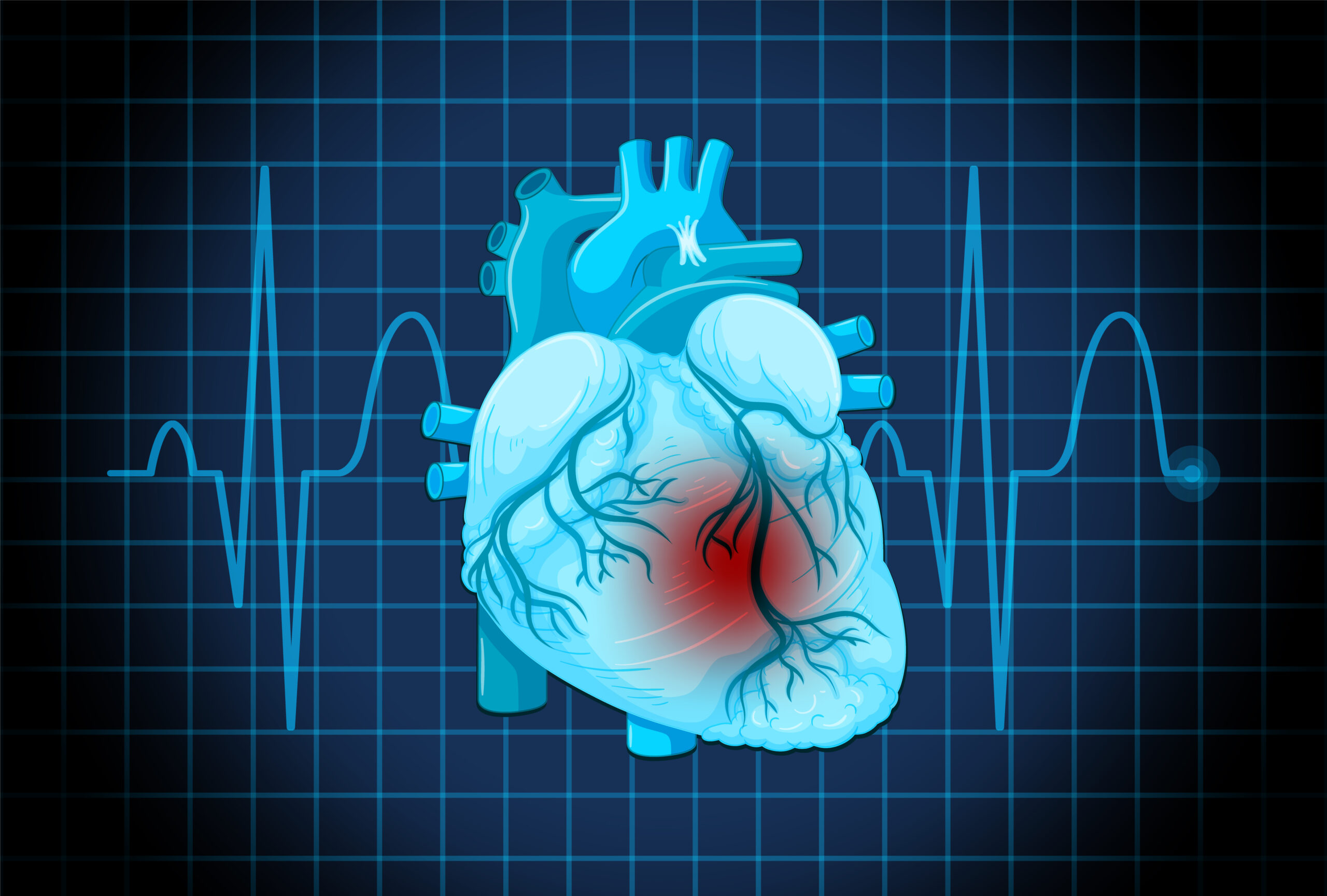
When Is Cardiac Surgery Needed?
Not everyone with heart disease requires surgery. First, heart doctors typically recommend trying non-surgical options. Then cardiac surgery procedures may become necessary if:
- Medications aren’t controlling symptoms
- Blood flow to the heart is significantly reduced
- Heart valves are damaged or leaking
- There are structural heart defects
- There’s a high risk of heart failure
Doctors use heart health tests such as ECGs, echocardiography, and angiography to determine if cardiac surgery is the best option.
How Common Is Heart Surgery?
Heart surgery is more common than many people think. Thanks to better awareness and early diagnosis, cardiac surgery procedures are now performed regularly around the world. The main reasons for the increase in heart health tests include:
- Improved diagnostic tools
- Safer surgical techniques
- Better post-operative care
As a result, cardiac procedures and surgeries have become a well-established and trusted treatment option.
What Conditions Are Treated with Heart Surgery?
Heart surgery addresses severe conditions that can’t be managed with medications alone. Common conditions treated include:
- Coronary artery disease
- Heart valve disorders
- Congenital heart defects
- Advanced heart failure
- Certain rhythm disorders
Surgery can restore blood flow, correct structural problems, and prevent further heart damage.
Types of Heart Surgery
There are various heart surgeries, and each is designed to fix a specific issue. The choice of procedure depends on the patient’s condition, age, and overall health.
Common Types of Cardiac Surgery
1. Coronary Artery Bypass Surgery (CABG):
CABG is a commonly performed heart surgery that is used when the coronary arteries are blocked or narrowed. This cardiac surgery creates a new route for blood to bypass blocked arteries. Such surgery helps:
- Improve blood flow to the heart
- Reduce chest pain (angina)
- Lower the risk of a heart attack
- Enhance overall heart function
2. Heart Valve Repair or Replacement
Heart valve repair or replacement is performed when one or more heart valves do not open or close properly. Faulty valves can disrupt blood flow within the heart and force it to work harder. In this cardiac surgery, the surgeon either repairs the damaged valve or replaces it with an artificial or biological valve to restore normal blood flow.
This type of heart surgery helps to:
- Improve blood circulation within the heart
- Reduce symptoms such as breathlessness and fatigue
- Prevent further damage to the heart muscle
- Improve overall heart efficiency and quality of life
3. Minimally Invasive Heart Surgery
Minimally invasive heart surgery is an advanced surgical approach that uses smaller cuts instead of opening the chest fully. Special instruments and cameras are used to perform the procedure with precision while causing less trauma to the body.
This type of heart surgery helps to:
- Reduce pain after surgery
- Lower the risk of infection
- Shorten hospital stay
- Speed up recovery and return to daily activities
How Is Heart Surgery Performed?
Heart surgery is carried out under general anesthesia by a specialized surgical team. The procedure generally includes:
- Making an incision in the chest
- Safely accessing the heart
- Repairing or bypassing the affected area
- Continuous monitoring of vital signs
In some cases, a heart-lung machine temporarily helps with blood circulation during surgery.
How Long Does Heart Surgery Take?
The duration of heart surgery procedures can vary based on the procedure’s complexity. On average:
- Simple procedures: 2 to 3 hours
- Complex surgeries: 4 to 6 hours or more
Note: The length of the surgery doesn’t always indicate recovery time or success.
Preparing for Heart Surgery Procedures: What to Expect Before Surgery
Preparing properly can improve surgical outcomes and recovery. Before heart surgery, patients are required to:
- Get blood tests and scans
- Adjust or stop certain medications
- Quit smoking
- Follow dietary guidelines
Both mental and emotional preparation are also crucial for building confidence and comfort.
What Happens After Heart Surgery?
After surgery, patients are moved to the intensive care unit (ICU) for close monitoring. This post-surgery stage is critical for safe healing. During this phase:
- Heart rate and blood pressure are observed
- Pain is controlled with medications
- Gentle movement begins early
Recovery After Heart Surgery
Recovery happens in stages and requires patience. During this phase, heart specialists instruct patients to
- Assisted walking
- Breathing exercises
- Wound care and monitoring
The Day You Leave the Hospital: Preparing for Safe Recovery at Home
The day you leave the hospital is a crucial step in your recovery journey. Before a patient’s discharge, the healthcare team makes sure that the patient is stable and ready to continue recovery at home. To avoid complications and for a smooth recovery, patients and caregivers are given clear guidance. Before going home, you will receive:
- Clear discharge instructions that will explain wound care, activity limits, and daily precautions
- Medication guidance, including dosage, timing, and possible side effects
- Follow-up appointment details to monitor healing and heart function
Understanding these instructions helps patients feel confident and prepared outside the hospital environment.
Home Recovery After Heart Surgery
Recovery continues at home and happens gradually over several weeks. During this phase, the body heals internally while strength and endurance slowly improve. Patience and consistency are key to a successful recovery.
During home recovery, patients can expect:
- Gradual increase in physical activity, starting with light walking and daily movements
- Improved strength and stamina as the heart and body adapt during healing.
- Continued healing over months, with steady progress toward everyday routines
Following medical advice and attending follow-up visits ensures long-term recovery and better heart health.
Physical Activity After Heart Surgery
Physical activity supports healing and heart strength. Doctors usually recommend:
- Light walking in early weeks
- Avoiding heavy lifting
- Gradual return to daily activities
Medications After Heart Surgery
Medications help protect the heart and prevent complications. Common medications include:
- Blood thinners
- Blood pressure medicines
- Cholesterol-lowering drugs
Patients should never stop medicines without medical advice.
Nutrition and Diet for Heart Recovery
Healthy eating supports healing and long-term heart health. Recommended dietary habits:
- Eat fruits and vegetables daily
- Choose whole grains and lean proteins
- Reduce salt, sugar, and oily foods
Good nutrition lowers the risk of future heart disease.
Warning Signs After Heart Surgery: When to Call the Doctor
Early action prevents serious complications. Patients should seek medical help if they notice any of the following signs:
- Fever or chills
- Chest pain or shortness of breath
- Swelling, redness, or discharge from the wound
- Irregular heartbeat or dizziness
What Are the Benefits of Heart Surgery?
Many patients return to work and normal activities after recovery. Heart surgery can:
- Improve quality of life
- Reduce pain and breathing problems
- Increase physical endurance
- Extend life expectancy

Risks and Possible Complications of Heart Surgery
Like any major surgery, heart surgery carries risks. These risks are minimized through careful planning and expert medical care. These risks include
- Infection
- Bleeding
- Blood clots
Recovery Timeline: How Long Does It Take to Heal?
Recovery depends on the procedure and the patient’s health. Most patients:
- Resume light activities in 4 to 6 weeks
- Return to routine life in 3 to 6 months
Following medical advice provides a steady recovery.
Survival and Life After Heart Surgery
Survival rates for cardiac bypass surgery are high with modern techniques. Many patients live long, active lives by maintaining healthy habits and attending regular check-ups. Heart surgery often marks a new beginning rather than an end.
How to Take Care of Yourself After Heart Surgery
Long-term care includes:
- Healthy diet
- Regular physical activity
- Stress management
- Routine medical follow-ups
These steps help protect the heart for years to come.
Wrapping up
Understanding cardiac surgery reduces fear and confusion. With modern treatment options and expert care, heart surgery can significantly improve quality of life. Dr. Ghulam Sarwar is the best heart surgeon who provides patient-focused, evidence-based cardiac care, guiding patients through diagnosis, surgery, and recovery with confidence and clarity. Early consultation with a qualified cardiac specialist can make a life-saving difference.