
Heart disease rarely announces itself with a single, obvious moment. More often, it sends smaller signals, a tight feeling in the chest, unusual tiredness, and a skipped heartbeat that are easy to ignore by labelling them as stress or age. Ignoring these signals, however, can allow a treatable problem to progress into a medical emergency.
Knowing which symptoms warrant an immediate visit to a heart specialist can be the difference between a straightforward treatment plan and a life-threatening event.
1. Chest Pain or Discomfort
Chest pain is the symptom most people associate with heart problems, and for good reason. It can feel like pressure, tightness, squeezing, or burning and may come and go or persist. It’s often triggered or worsened by physical activity and eased by rest, a pattern that suggests your heart muscle isn’t getting enough blood flow. Any new, unexplained chest discomfort deserves prompt evaluation by a cardiac surgeon in Lahore, even if it goes away on its own.
2. Shortness of Breath
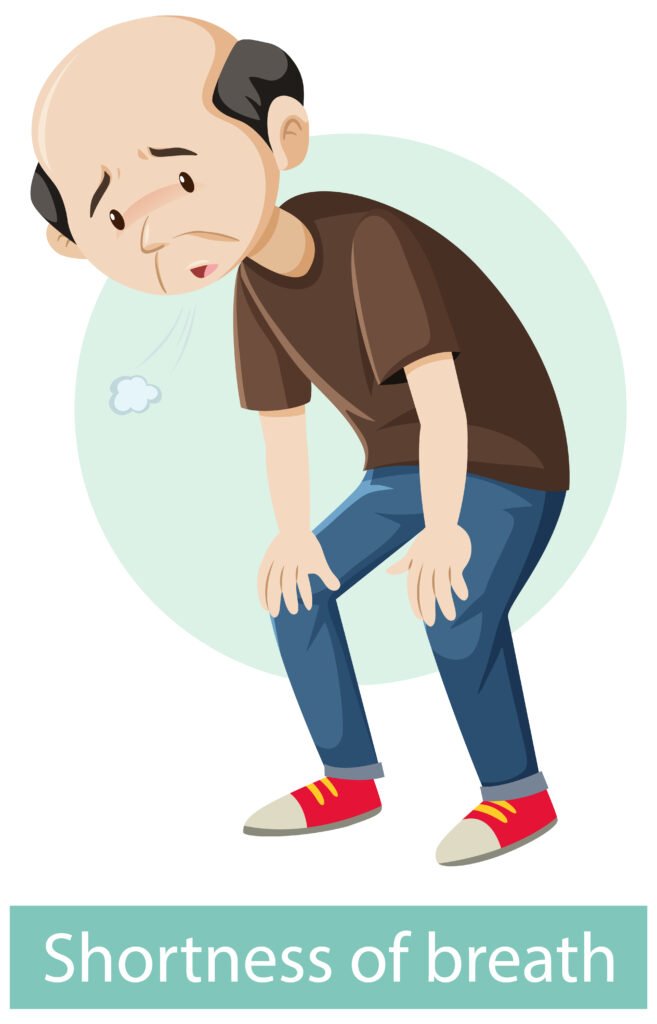
Feeling breathless during activities that used to be easy, like climbing a flight of stairs, walking a short distance, or even lying flat, can be an early sign that your heart isn’t pumping efficiently. This often happens alongside other symptoms like fatigue or swelling, and together they can point toward heart failure or significant coronary blockage.
3. Dizziness or Fainting
Occasional lightheadedness can have many harmless causes, but recurrent dizziness or actual fainting (syncope) is different. It can signal that your heart isn’t delivering enough blood to your brain, often due to an irregular heart rhythm or a structural issue with the heart valves. Fainting spells, in particular, should never be ignored.
4. Swelling in the Legs or Ankles
When the heart struggles to pump blood effectively, fluid can back up into the veins and leak into surrounding tissue, most noticeably in the lower legs, ankles, and feet. Swelling that’s new, worsening, or with breathlessness is a classic warning sign of heart failure and should prompt a visit to a heart specialist.
5. Persistent Fatigue
Everyone feels tired occasionally, but fatigue that doesn’t improve with rest, or that makes normal daily tasks feel exhausting, can be your heart telling you it isn’t meeting your body’s demands. This is especially significant when it appears alongside chest discomfort, breathlessness, or swelling.
6. Irregular Heartbeat (Palpitations)
A heartbeat that feels like it’s racing, fluttering, pounding, or skipping beats may indicate an arrhythmia. While occasional palpitations can be harmless, frequent or prolonged episodes, particularly those accompanied by dizziness or chest pain, need proper evaluation, since some arrhythmias significantly raise the risk of stroke or sudden cardiac events.
Other Warning Signs You Shouldn’t Ignore
Beyond the six signs above, a few other symptoms are commonly missed but equally important:
- Pain that radiates to the arm, jaw, neck, or back
- Nausea or cold sweats, especially alongside chest discomfort
- Unexplained anxiety or a sense of impending doom
- A persistent cough with pink or white-tinged mucus (a possible sign of fluid buildup in the lungs)
These symptoms are sometimes more subtle in women and people with diabetes, who may not experience classic chest pain even during a serious cardiac event.

When These Symptoms Signal a Medical Emergency
Some warning signs demand immediate emergency care rather than a scheduled appointment. Call for emergency help right away if you experience:
- Severe or crushing chest pain lasting more than a few minutes
- Chest pain combined with shortness of breath, sweating, or nausea
- Sudden fainting or loss of consciousness
- A rapid or irregular heartbeat with dizziness or chest pain
Acting within the first hour of a suspected heart attack dramatically improves the chances of a full recovery; this is not a symptom to “wait and see” about.
What Happens When You See a Heart Specialist? Diagnostic Tests to Expect
When you consult a cardiac surgeon or heart specialist, expect a thorough workup designed to pinpoint exactly what’s happening inside your heart. Common tests include:
- Electrocardiogram (ECG): records the heart’s electrical activity to detect rhythm problems
- Echocardiogram: uses ultrasound to assess the heart’s structure and pumping function
- Stress test: evaluates how your heart performs under physical exertion
- Coronary angiography: a heart blockage test that maps blood flow through the coronary arteries
- Blood tests: check for markers of heart strain, cholesterol levels, and related risk factors
These tests allow your specialist to recommend a treatment plan matched precisely to the severity of your condition.
Treatment Options: From Medication to Minimally Invasive Cardiac Surgery
Not every warning sign leads to the operating table. Depending on your diagnosis, treatment may range from:
- Medication and lifestyle changes: for early-stage or mild conditions
- Angioplasty and stenting: to open narrowed arteries without major surgery
- Minimally invasive cardiac surgery: smaller incisions, less trauma to the chest, and typically faster recovery compared to traditional open surgery, used for select valve and bypass procedures
- Cardiac bypass surgery: for more extensive blockages that require rerouting blood flow around damaged arteries
- Open heart surgery: reserved for complex structural or multi-vessel disease that requires direct access to the heart
The right approach depends on the location, severity, and number of affected arteries or valves, which is exactly why an experienced cardiac surgeon’s assessment matters before deciding on a treatment path.
Why Choose an Experienced Cardiac Surgeon in Lahore
Heart conditions are rarely one-size-fits-all, and outcomes depend heavily on the expertise of the surgeon managing your care. Dr. Ghulam Sarwar is recognised as one of the best cardiac surgeons in Lahore, specialising in a full spectrum of cardiac procedures, from diagnostic evaluation to minimally invasive cardiac surgery and complex bypass operations, with an emphasis on techniques that reduce recovery time and surgical trauma wherever possible.
Risk Factors That Increase Your Need for a Heart Specialist
You should be especially alert about the warning signs above if you have any of the following risk factors:
- High blood pressure (hypertension)
- Diabetes or high blood sugar
- High cholesterol
- Smoking
- Obesity or a sedentary lifestyle
- A family history of heart disease
- Advancing age
If several of these apply to you, even mild or occasional symptoms are worth discussing with a heart specialist rather than waiting for them to worsen.

How to Prepare for Your Appointment
To make the most of your visit, bring a list of your symptoms (including when they occur and how long they last), your current medications, any recent test results, and your family’s cardiac history. This helps your surgeon reach an accurate diagnosis faster and recommend the most appropriate next steps.
Don’t Wait for Symptoms to Worsen
If you’re experiencing any of the warning signs above, timely evaluation matters a lot. Dr. Ghulam Sarwar, a leading cardiac and heart surgeon in Lahore, offers comprehensive cardiac evaluation and a full range of treatment options, from medical management to minimally invasive cardiac surgery, tailored to your specific condition.
Book a consultation today rather than waiting for symptoms to become an emergency.
FAQs
What is the difference between bypass surgery and open heart surgery?
Bypass surgery is one specific way of treating blocked arteries; it reroutes blood flow around the blockage. ‘Open heart surgery’ is the broader term for any procedure where your chest is opened to directly reach the heart, and bypass is usually done this way. Some bypass surgeries can also be done through smaller, minimally invasive incisions instead.
How much does heart bypass surgery cost in Pakistan?
It depends on the hospital, the complexity of your case, and whether it’s done through traditional or minimally invasive surgery. The best way to get an accurate number is to consult the cardiac team directly, since they can quote based on your actual diagnosis.
What is minimally invasive cardiac surgery?
It’s heart surgery done through small incisions instead of opening up the chest bone. That usually means less pain, smaller scars, and a quicker recovery for patients who are good candidates for it.