
A racing heart can be alarming. When you feel this way and also dizzy, it usually raises an important question. Is it just stress, or could it be a sign of a more serious heart problem?
While occasional heart palpitations are normal, recurring symptoms could indicate an underlying heart rhythm disorder, structural heart defect, or cardiovascular disease. By knowing the warning signs, patients can get timely medical care by an experienced heart surgeon in Lahore before complications develop.
What Do Heart Palpitations Feel Like?
Heart palpitations are the sensation of being acutely aware of one’s own heartbeat. Patients frequently describe them as:
- Racing heartbeat
- Fluttering in the chest
- Skipped beats
- Pounding or thumping sensations
- An irregular heartbeat
The episodes may last from a few seconds to several minutes and may occur during activity or at rest.
Why Do Heart Palpitations Cause Dizziness?
The primary purpose of your heart is to circulate blood throughout your body.
Blood flow may temporarily decrease if the heart rate is too fast, too slow, or irregular. This suggests the brain may not be getting enough oxygen-rich blood. Symptoms include:
- Dizzy
- Lightheadedness
- Weakness
- Fainting or near-fainting episodes
Common Types of Irregular Heartbeats
Not all abnormal heart rhythms are the same.
Fast Heart Rhythms (Tachycardia)
Tachycardia occurs when the heart beats faster than normal. Common examples include:
- Atrial fibrillation (AFib)
- Atrial flutter
- Supraventricular tachycardia (SVT)
- Ventricular tachycardia
Atrial fibrillation is one of the most common causes of irregular heart rhythm. If left untreated, it can increase the risk of stroke.
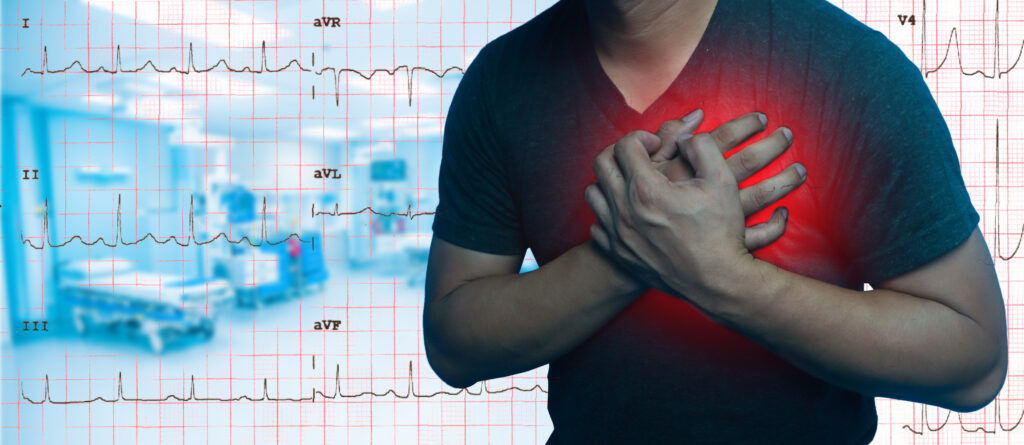
Slow Heart Rhythms (Bradycardia)
Bradycardia is a condition that occurs when the heart beats slower than normal. It may result from:
- Sick sinus syndrome
- Conduction abnormalities
- Heart block
A slow heart rate can reduce blood flow and cause dizziness, fatigue, and fainting.
Premature Heartbeats
Sometimes the heart puts in a few extra beats a bit too early.
These premature contractions can create the sensation of skipped or fluttering heartbeats and are often responsible for occasional palpitations.
Symptoms That Should Not Be Ignored
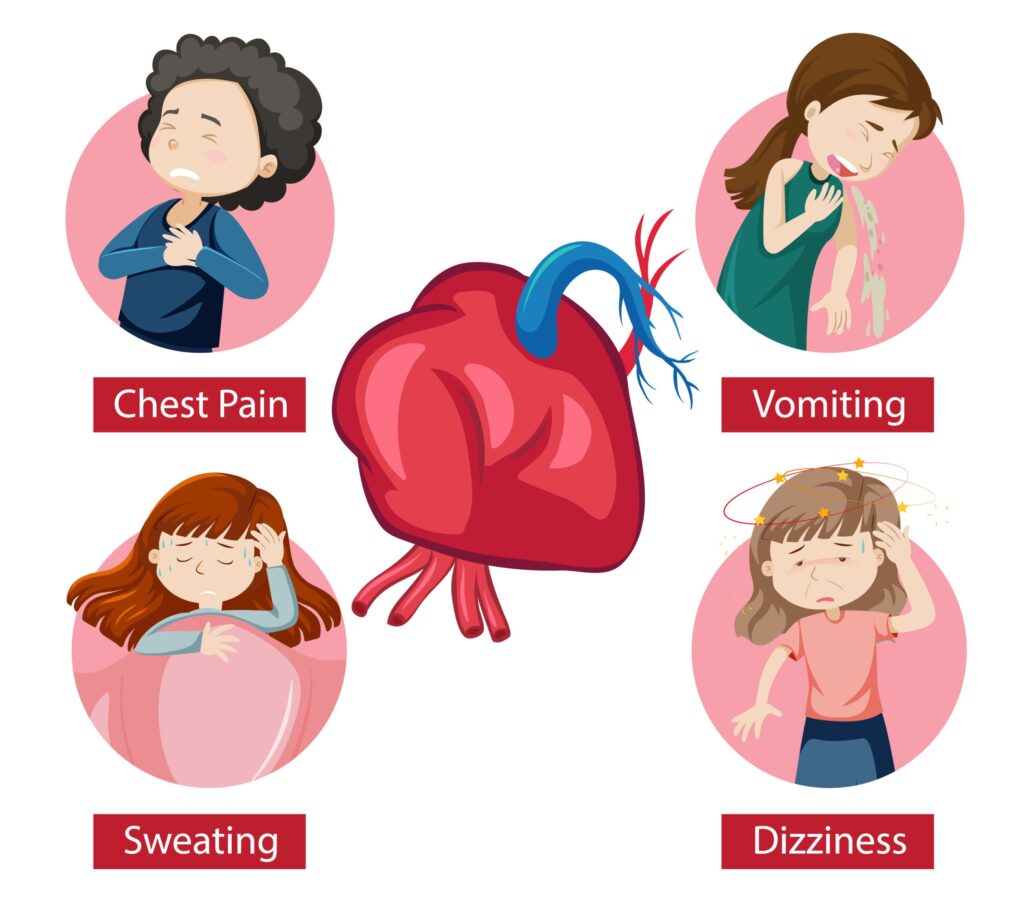
Most heart palpitations are not a concern, but some symptoms may necessitate a doctor visit. Consult your doctor if you have:
- Frequent palpitations
- Dizziness or lightheadedness
- Fainting episodes
- Chest pain
- Shortness of breath
- Unexplained fatigue
- Persistent irregular heartbeat
What Causes Heart Palpitations?
Several factors can trigger abnormal heart rhythms. Common causes include:
- Stress and anxiety
- Excess caffeine intake
- Smoking
- Certain medications
- Dehydration
- Electrolyte imbalances
- Heart valve disease
- Coronary artery disease
- Cardiomyopathy
- Atrial fibrillation and other arrhythmias
Who Is at Higher Risk?
Some people are more prone to develop heart rhythm abnormalities. Risk factors are:
- High blood pressure
- Diabetes
- Heart disease
- Smoking
- Obesity
- Advanced age
- Family history of heart conditions
- Previous heart surgery or cardiac events
When Should You See a Heart Surgeon in Lahore?
Many heart rhythm problems can be treated with medicines or less invasive procedures. However, some patients need additional assessment to confirm that no underlying structural heart disease is causing their symptoms.
When should you consult a heart surgeon in Lahore:
- Symptoms are becoming more frequent
- Palpitations are accompanied by dizziness or fainting
- Heart valve disease has been diagnosed
- Coronary artery disease is suspected
- Previous treatments have not controlled symptoms
- Testing reveals structural abnormalities within the heart
A surgical assessment may be useful to determine whether advanced treatment is necessary to preserve long-term cardiac function.
How Are Irregular Heartbeats Diagnosed?
The first step in effective treatment is an accurate diagnosis. A cardiologist may recommend the following:
- Electrocardiogram ECG
- Holter monitoring
- Echocardiography
- Stress testing
- Cardiac imaging
- Blood tests
These tests can help identify abnormal heart rhythms or heart disease that may be causing the symptoms.
Treatment Options for Irregular Heartbeats
Treatment depends on the cause and severity of the condition. Options may include:
- Lifestyle modifications
- Medication management
- Catheter-based procedures
- Heart rhythm treatments
- Management of underlying heart disease
- Surgical intervention when structural heart problems are present
Potential Complications of Untreated Arrhythmias
Ignoring ongoing symptoms can lead to serious health problems. Possible complications are as follows:
- Stroke
- Heart failure
- Reduced heart function
- Blood clot formation
- Recurrent fainting episodes
- Sudden cardiac events in severe cases

Supporting Long-Term Heart Health
While not all arrhythmias are preventable, healthy lifestyle habits also help decrease cardiovascular risk. Consider the following:
- Maintaining a heart-healthy diet
- Staying physically active
- Managing blood pressure
- Controlling diabetes
- Limiting caffeine intake
- Avoiding tobacco products
- Attending routine cardiac check-ups
Consult Dr. Ghulam Sarwar for Expert Cardiac Evaluation
Don’t ignore regular heart palpitations and dizziness as minor symptoms. They can occasionally be a sign of an underlying heart condition that necessitates specialised care and immediate treatment.
As an experienced heart surgeon in Lahore, Dr. Ghulam Sarwar cares for patients with complex heart disease, including structural heart conditions and rhythm disorders. Through comprehensive assessment and individualised treatment planning, he helps patients better understand their condition and the treatment options available to them.
Early detection and treatment can help preserve heart function, relieve symptoms, and improve long-term outcomes. If you’re looking for a trusted heart surgeon in Lahore, consult Dr. Ghulam Sarwar to discuss your symptoms and receive expert guidance for your heart health.
FAQs
Can heart palpitations make you dizzy?
Yes. An irregular heartbeat can temporarily reduce blood flow to the brain, leading to dizziness, lightheadedness, or fainting.
What does an irregular heartbeat feel like?
Many people describe it as fluttering, racing, pounding, or skipped heartbeats.
When should I worry about heart palpitations?
If palpitations are frequent or accompanied by dizziness, chest pain, shortness of breath, or fainting, you should seek medical attention.
Can atrial fibrillation cause dizziness?
Yeah. Atrial fibrillation can interfere with blood flow and may cause dizziness, tiredness, and shortness of breath.
Do all irregular heartbeats require surgery?
No. Many arrhythmias can be treated with medications or minimally invasive procedures. Surgery is typically considered only when symptoms persist or there is an underlying heart condition.