
Heart disease remains one of the leading causes of health complications worldwide. When lifestyle changes, medications, or non-surgical treatments are not enough, cardiac surgery becomes a necessary part of care. Over the years, cardiac surgeons have improved their techniques to treat complex heart conditions with better safety, precision, and lasting success. From restoring blood flow to repairing damaged valves, modern heart surgery focuses on improving both survival and quality of life.
This article explains how cardiac surgeons manage common heart problems using proven surgical methods, patient-centered planning, and team-based care.
The Role of Cardiac Surgeons in Modern Cardiac Surgery
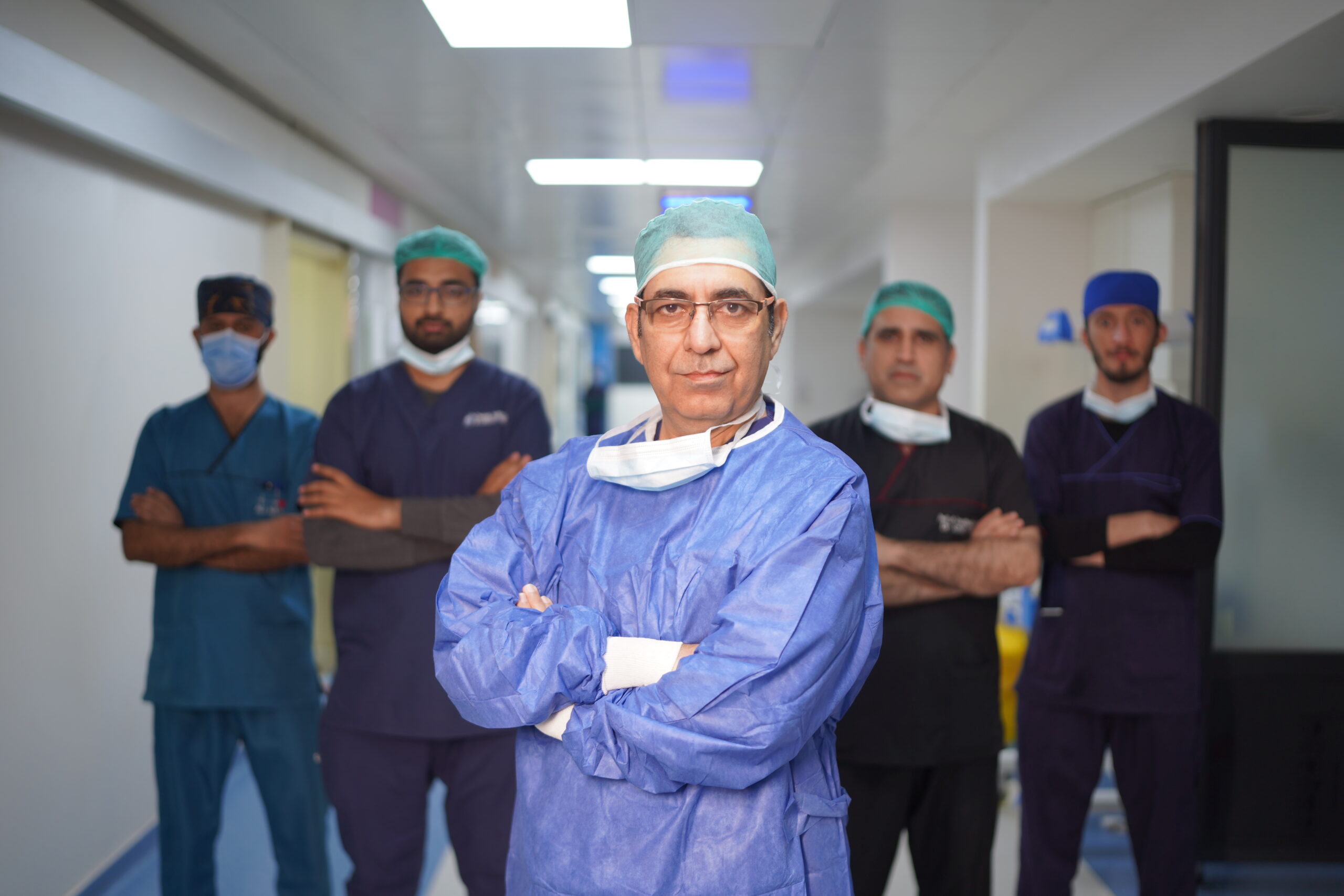
Cardiac surgeons specialize in diagnosing and treating diseases of the heart and major blood vessels through surgery. Their work begins long before the operation, involving thorough evaluation, risk assessment, and treatment planning. Heart surgeons work closely with cardiologists to determine when Cardiac surgery is needed and which approach works best. This collaboration guarantees that patients are given timely treatment while preventing unnecessary procedures. By means of careful decision-making and surgical skill, heart surgeons play an important role in managing both emergency and planned heart conditions.
Common Heart Problems Addressed Through Heart Surgery
Heart surgery is recommended for several heart conditions that cannot be managed well through medication or less invasive treatment. Such conditions commonly worsen over time and may seriously alter daily life if left untreated.
Coronary Artery Disease
When the arteries supplying blood to the heart become narrowed or blocked, the heart muscle may not receive enough oxygen. In advanced cases, cardiac bypass surgery is used to restore healthy blood circulation and decrease the risk of heart attacks.
Heart Valve Disease
Damaged or weakened heart valves could interrupt normal blood circulation. Heart valve surgery, including repair or replacement, helps restore proper valve function and reduces strain on the heart.
Aortic Aneurysms and Dissections
Conditions affecting the aorta require timely surgical intervention to prevent life-threatening complications. Cardiac surgery procedures are used to stabilise blood flow in these cases.
Congenital Heart Conditions
Some individuals are born with structural heart defects that require surgical correction. Heart surgery helps improve heart function and long-term outcomes in both children and adults.
Advanced Heart Failure and Rhythm Disorders
In some cases, Heart surgery procedures may be required to support weakened heart function or correct certain rhythm problems that do not respond to medication.
Key Surgical Approaches Used by Cardiac Surgeons
Heart surgeons use a range of proven surgical procedures to treat different heart conditions. The choice of procedure depends on the patient’s diagnosis, overall health, and long-term treatment goals.
Coronary Artery Bypass Grafting (CABG)
Coronary artery bypass grafting (CABG) is one of the most common types of heart surgery. It consists of creating a new pathway for blood to flow around blocked arteries. This procedure helps relieve chest pain, improves how the heart works, and lowers the risk of future heart attacks.
Heart Valve Repair and Replacement
Whenever possible, surgeons aim to repair damaged valves to preserve natural heart function. When repair is not possible, valve replacement is performed using long-lasting artificial or tissue valves. Both approaches help restore healthy blood flow.
Minimally Invasive Cardiac Surgery
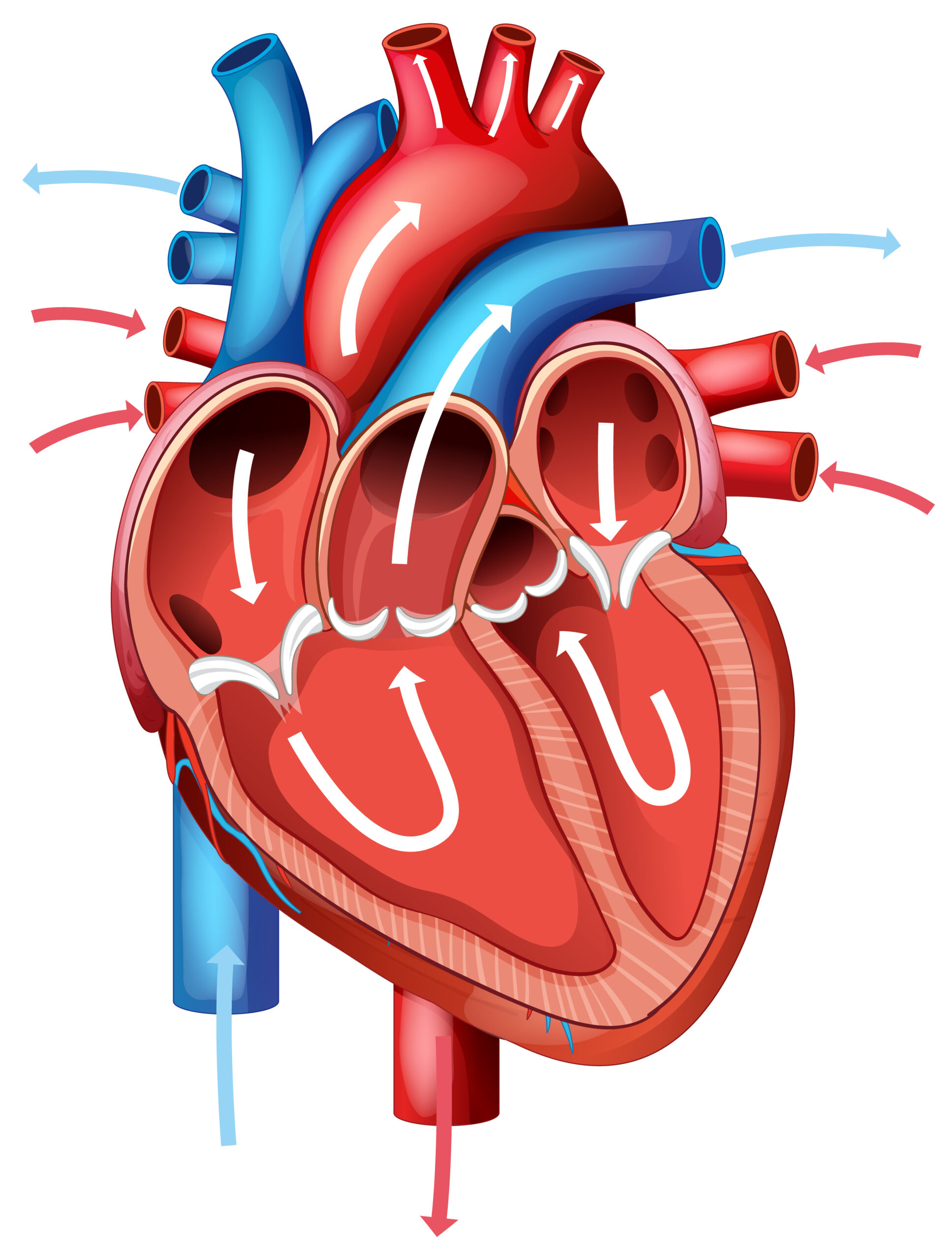
Minimally invasive heart surgery uses smaller incisions in contrast to conventional open-heart surgery. This method frequently leads to less pain, shorter hospital stays, and faster recovery, while remaining just as effective.
Transcatheter Cardiac Procedures
For patients who cannot handle major surgery well, transcatheter procedures offer other treatment options. These techniques allow surgeons to treat certain valve conditions through blood vessels without opening the chest.
Aortic Surgery for Complex Conditions
Heart surgery addresses serious conditions such as aneurysms and dissections. Deliberate planning and precise surgical work help reduce risks and improve long-term outcomes.
Surgical Treatment for Certain Arrhythmias
In some cases, heart surgery is used to correct abnormal heart rhythms, often alongside other heart procedures. These treatments help restore a steady and healthy heartbeat.
Innovations Improving Safety and Surgical Outcomes
Advances in heart surgery focus on elevating patient safeguarding and decreasing complications. Better imaging, improved surgical planning, and refined operating techniques allow surgeons to perform procedures with refined precision. Improved methods to protect the heart during surgery help preserve heart function, while modern operating rooms support better teamwork throughout complex procedures. These improvements have greatly enhanced recovery and long-term success rates.
Preoperative Evaluation and Postoperative Care
Successful heart surgery depends on comprehensive preparation and follow-up care. Before surgery, patients undergo detailed assessments to evaluate the heart operation and general health. After surgery, close monitoring helps catch complications early and supports steady recovery. Post-surgery care also includes medication management, physical rehabilitation, and lifestyle guidance to promote lasting heart health.
Recovery After Cardiac Surgery
Recovery after heart surgery varies depending on the procedure and individual health factors. Most patients need a period of hospital care followed by gradual rehabilitation. Heart rehabilitation programs help improve strength, endurance, and confidence. Regular follow-ups allow healthcare teams to check progress and support long-term recovery.
How Cardiac Surgeons and Cardiologists Work Together
Heart surgeons and cardiologists play complementary roles in heart care. Cardiologists focus on diagnosis, medical treatment, and non-surgical procedures, while surgeons manage conditions that need surgery. Their collaboration guarantees smooth care from diagnosis through recovery, providing patients with complete treatment plans.
Choosing the Right Heart Specialist for Your Condition
Choosing the right heart specialist depends on the type and severity of the condition. Patients with advanced structural heart problems or blocked arteries may be referred to a heart surgeon for further evaluation. Experienced surgeons, such as Dr Ghulam Sarwar, focus on individualized care, careful planning, and evidence-based surgical approaches to support safe and effective outcomes.
Commitment to Continuous Improvement in Cardiac Care
Cardiac surgery continues to improve through constant inquiry, training, and refinement of techniques. Surgeons maintain dedication to enhancing patient results by adopting proven advances and adhering to strict criteria of care. Such resolve ensures that patients benefit from reliable and current treatment options.
Final Thoughts
Cardiac surgery plays a key role in treating serious heart conditions that cannot be managed through medication alone. Using careful diagnosis, proficient surgical methods, and team-based care, heart surgeons successfully manage common heart problems and promote lasting heart health. Knowing these treatment options helps patients make well-informed choices and approach heart care with confidence.
FAQs

What is the most common type of heart surgery?
The most commonly performed heart surgery procedure is coronary artery bypass grafting.
How long does heart surgery usually take?
The duration of the heart surgery varies by procedure, but most cardiac surgery procedures take some hours, which is followed by monitored recovery.
What are the different types of heart surgery?
There are several types of cardiac surgery, including
Coronary artery bypass grafting (CABG)
Heart valve repair and replacement
Minimally invasive cardiac surgery
Aortic surgery
Procedures to correct certain arrhythmias
What is the difference between open heart surgery and minimally invasive surgery?
Open heart surgery involves a larger incision, while minimally invasive cardiac surgery uses smaller cuts and often allows faster recovery.
Do cardiologists perform heart surgery?
No. Cardiologists are not heart surgeons, and hence they only manage medical and non-surgical treatments.
When should a patient see a cardiac surgeon?
Patients are typically referred when their cardiac condition necessitates evaluation or treatment by a cardiovascular surgeon.
How do cardiac surgeons and cardiologists work together?
Cardiologists and cardiac surgeons collaborate throughout diagnosis, treatment planning, surgery, and recovery to ensure comprehensive heart care.