
Recovering from heart bypass surgery is about more than healing from the operation. The choices you make every day, especially what you eat, play a major role in protecting your new bypass grafts and reducing the risk of future heart problems. The good news is you don’t have to give up your favorite Pakistani meals to eat a heart-healthy diet.
With a few clever modifications, you can continue to enjoy local flavors while supporting your recovery and long-term heart health. This guide will show you how to make simple heart-healthy choices in your everyday Pakistani diet.
Why Your Diet Matters After Heart Bypass Surgery
Heart bypass surgery involves doctors taking healthy blood vessels and using them to create new routes around the blocked coronary arteries. This surgery improves blood flow to the heart, but it does not correct the underlying causes of heart disease. If high cholesterol, diabetes, high blood pressure, smoking, or unhealthy eating habits continue, the new grafts may also become blocked over time.
A healthy diet can help lower cholesterol, control blood pressure and blood sugar, maintain a healthy weight, and reduce inflammation, all of which can help keep your bypass grafts healthy for years to come.
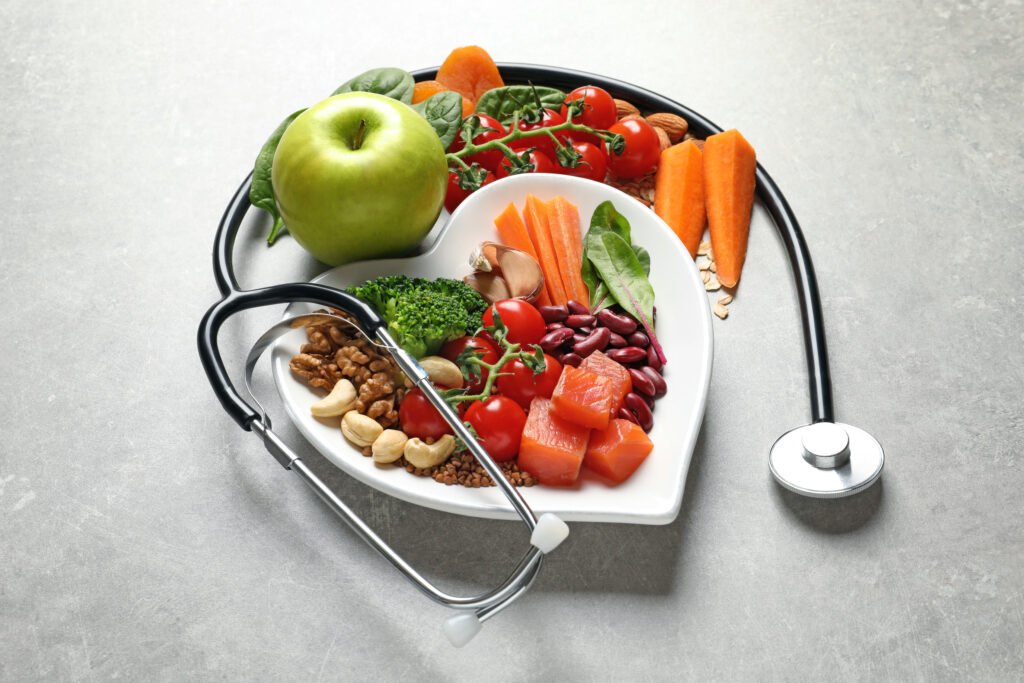
Can You Still Enjoy Pakistani Food?
Absolutely. In Pakistan, many people believe they have to stop eating desi food after heart bypass surgery, but that’s a common misconception. The key isn’t avoiding traditional home meals; it’s all about preparing them in healthier ways and portions.
Instead of deep-frying foods, choose grilling, baking, steaming, or air frying. Replace excessive oil with healthier options like canola or olive oil, reduce salt, and fill half your plate with vegetables. Small changes can make familiar dishes much better for your heart without sacrificing taste.
Make Your Favourite Desi Meals More Heart-Friendly
You don’t have to stop enjoying home-cooked Pakistani meals. Simply, make small improvements in your daily meals for a meaningful difference over time. Here’s how you can make healthier substitutions
- Use less oil when preparing tarka
- Grill chicken instead of frying it
- Add an extra serving of sabzi to every meal
- Add more fresh vegetables and seasonal fruits
- Replace creamy gravies with tomato-based alternatives
- Brown rice or smaller portions of white rice
- Add lean cuts of meat, fish, and skinless chicken
- Use whole wheat flour for rotis
- Limit desi ghee and butter
- Keep rice and naan portions moderate
Foods and Habits to Limit
Some foods can quietly increase your risk of future heart problems if eaten regularly after heart bypass surgery. Try to limit:
- Deep-fried snacks
- Processed meats like sausages and nuggets
- Bakery products
- Sugary drinks and desserts
- Foods containing excessive salt
- Reheated cooking oil
- Fast food and heavily processed meals
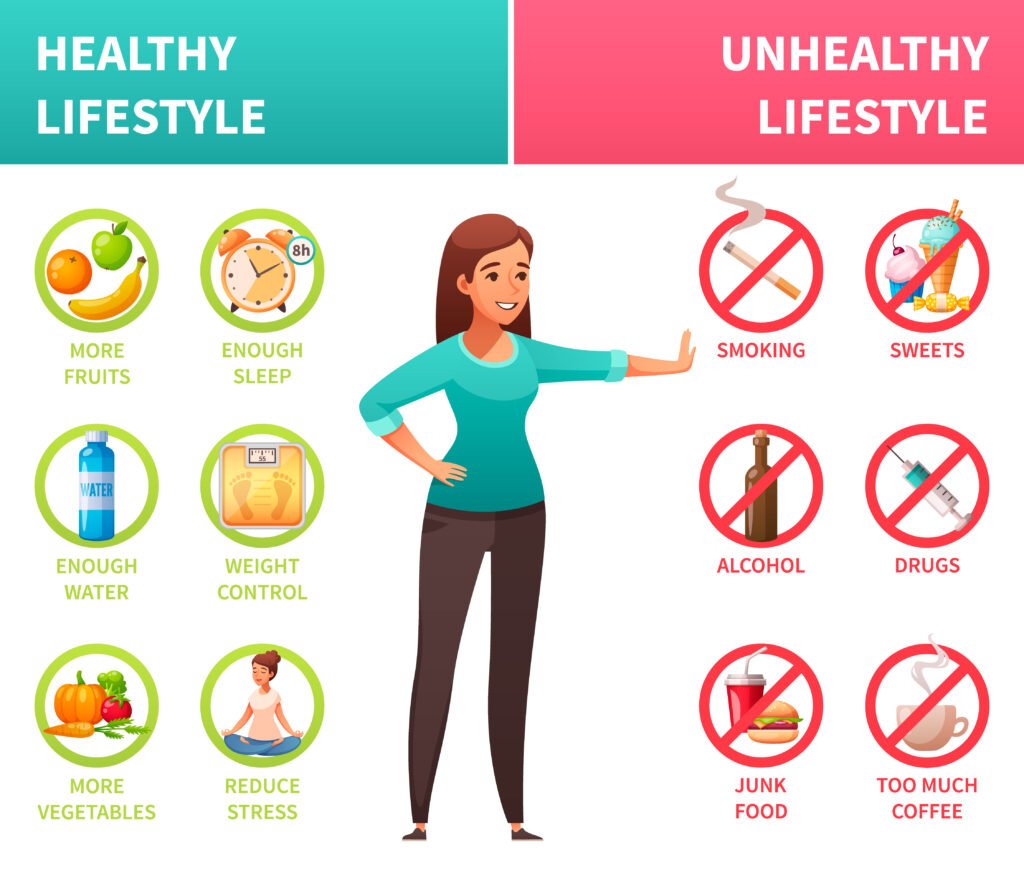
Along with healthy eating, avoid smoking, stay physically active as advised by your cardiac surgeon, and take your prescribed medications consistently.
Watch Out for Hidden Salt and Sugar
Many Pakistani foods have more sugar and salt than people think. Pickles, packaged foods, sauces, bakery goods, soft drinks, and sweetened tea can all increase blood pressure and blood sugar levels.
Instead of adding extra salt to food, use herbs, lemon juice, garlic, ginger, coriander, and other natural seasonings to add flavor. Eating fresh foods instead of packaged foods can help protect your heart too.
Bypass Patient Diet Chart: A Simple Heart-Healthy Meal Plan
Here’s an example of a balanced day of eating after a heart bypass surgery:
| Meal | Better Choice |
| Breakfast | Vegetable omelette, whole wheat chapati, unsweetened tea |
| Mid-morning | Apple or guava with a handful of unsalted almonds |
| Lunch | Grilled chicken, mixed vegetables, dal, whole wheat roti |
| Evening snack | Low-fat yogurt or roasted chana |
| Dinner | Grilled fish, sautéed vegetables, and a small portion of brown rice |
Managing Other Health Conditions
Many patients recovering from heart bypass surgery also have diabetes, high blood pressure, or high cholesterol. Managing these conditions is just as important as following a healthy diet.
Monitor your blood pressure, attend your follow-up appointments, and monitor your blood sugar if advised. Stay physically active within your surgeon’s recommendations, and never stop taking medications without medical advice.
Everyday Habits That Protect Your New Bypass Grafts
Healthy eating works best when combined with other positive lifestyle changes. Aim to:
- Walk regularly (if your surgeon clears you for activity)
- Maintain a healthy body weight
- Get enough sleep each night
- Manage stress through relaxation or light exercise
- Drink enough water
- Keep all scheduled follow-up visits
Remember, heart bypass surgery gives your heart a new beginning, but your daily habits determine how well those bypass grafts perform over the coming years.
When Should You Speak to a Cardiac Surgeon?
If you experience chest pain, increasing shortness of breath, swelling in your legs, unusual fatigue, wound problems, or difficulty following your recovery plan, don’t ignore the symptoms. Early medical advice can help identify potential problems before they become serious.
Follow-up appointments are good to talk about your diet, medications, exercise, and any concerns you have about getting back to your routine.
Recover with Confidence Under Expert Cardiac Care
Recovering well after heart bypass surgery requires expert surgical care, regular follow-ups, and sustainable lifestyle changes. If you’re looking for an experienced cardiac surgeon in Lahore, Dr. Ghulam Sarwar treats complex heart conditions and performs advanced cardiac procedures. By working closely with the patients throughout their recovery, Dr. Ghulam Sarwar provides personalized guidance on heart-healthy living, medication management, and long-term care.
Whether you are preparing for surgery or recovering, book an appointment with Dr. Ghulam Sarwar to learn how to achieve your heart health and long-term recovery goals.
FAQs
How to Take Care of a Patient After Bypass Surgery?
One can take care of a patient after heart surgery by implementing a heart-healthy diet, taking medications on time, staying active, avoiding smoking or unhealthy foods, and attending follow-up appointments.
What Is a Good 12-Day Heart Surgery Diet?
During the first few weeks after surgery, focus on soft, nutritious foods such as fruits, vegetables, whole grains, lentils, lean proteins, and low-fat dairy. Your surgeon or dietitian can adjust your diet based on your recovery.
Can I Follow a Vegetarian Diet After Bypass Surgery?
Yes. You can follow a vegetarian diet after bypass surgery if it includes protein-rich foods like lentils, beans, chickpeas, tofu, nuts, whole grains, vegetables, and low-fat dairy.
What Is the Best Diet Chart for Heart Patients After Bypass Surgery With Diabetes?
For diabetic patients with bypass surgery, it is recommended to choose whole grains, vegetables, lean proteins, and low-sugar fruits while limiting sugary foods and refined carbohydrates.
What Foods Should I Avoid After Open Heart Surgery?
After an open-heart surgery, avoid fried foods, processed meats, sugary drinks, bakery items, excess salt, and foods high in saturated fat. During recovery, fresh, home-cooked meals are generally the healthiest choice.
Which Fruits Are Best After Heart Bypass Surgery?
Fruits like apples, guava, oranges, berries, pomegranates, pears, and papaya are excellent choices. These fruits provide fiber and antioxidants that support healing and overall heart health.