
If your doctor has told you that you need a new heart valve, it is natural to feel worried. The first thing to know is that both mechanical and tissue valves are safe and effective. The real question is which one fits your age, health, and daily life.
As a heart surgeon in Lahore, Dr. Ghulam Sarwar helps patients make this decision with clear information and no pressure. This guide walks you through the options.
When Is Heart Valve Replacement Needed?
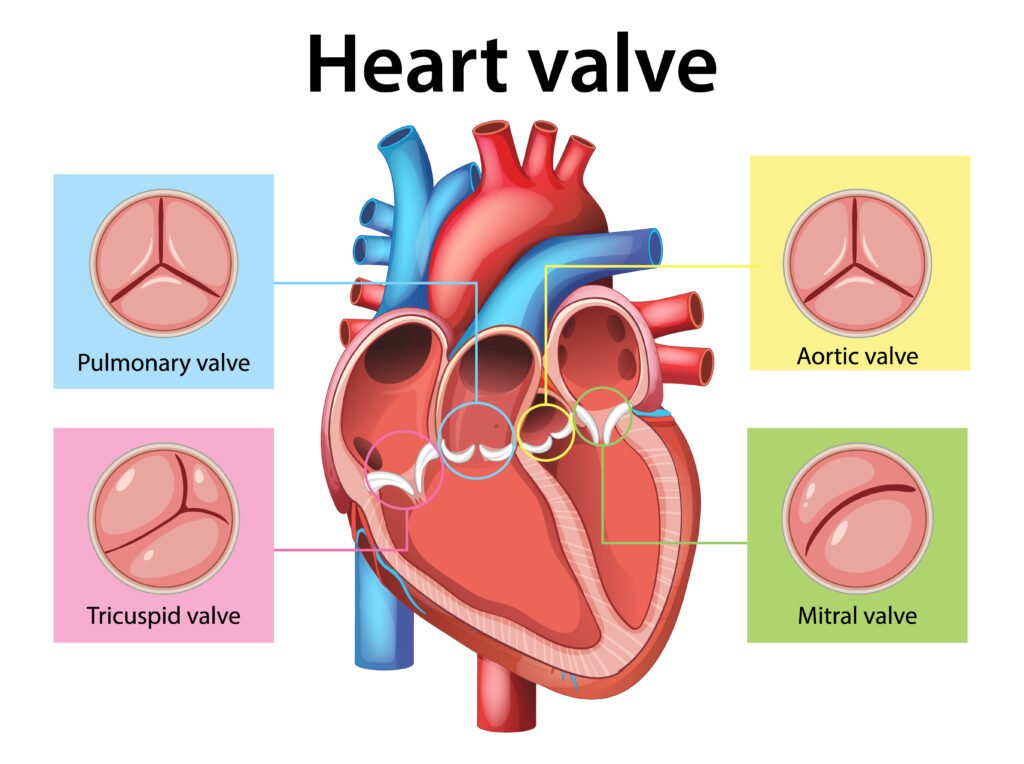
Your heart valves keep blood flowing in one direction. When a valve becomes too narrow (stenosis) or leaks (regurgitation), the heart has to work harder. Replacement is usually needed when:
- The valve is severely narrowed or leaking and cannot be repaired.
- You have symptoms such as breathlessness, chest pain, dizziness, fainting, or swollen ankles.
- Tests show the heart is weakening or growing larger, even before symptoms begin.
- An infection has damaged the valve.
- A previous repair or replacement has failed.
Not every damaged valve needs replacing. Some can be repaired, and a heart surgeon in Lahore will review your scans to decide whether repair or replacement is best for you.
Mechanical Heart Valves
- Materials: Made from strong materials such as pyrolytic carbon (a special type of carbon) and titanium.
- Durability: Built to last a lifetime.
- Medication: You will need blood-thinning medicine for life to prevent dangerous clots. This means regular blood tests (INR) to keep the dose right.
- Things to consider: Mechanical valves are often recommended for younger patients because they rarely need replacing. They are usually avoided in women planning pregnancy and in people at high risk of bleeding.
Your heart surgeon in Lahore will help you decide whether lifelong blood thinners fit your lifestyle.
Tissue Heart Valves
- Materials: Made from animal tissue, such as pig or cow, or from human donor tissue. The tissue is specially treated so it works much like a natural valve once placed in the heart.
- Durability: Usually lasts 10 to 15 years. They can wear down over time and may need replacing.
- Medication: Blood thinners are needed only for a short time after surgery.
- Things to consider: Often preferred for older patients, since the valve’s lifespan can match their own. They also suit people who cannot take blood thinners for life.
A heart surgeon in Lahore can tell you how long a tissue valve is likely to last in your case.
Side-by-Side Comparison
| Mechanical Valve | Tissue Valve | |
| Lifespan | Lifetime | About 10 to 15 years |
| Blood thinners | Lifelong | Short term |
| Repeat surgery | Rarely | More likely over time |
| Often suits | Younger patients | Older patients |
| Pregnancy | Needs careful planning | Usually easier to manage |
Both are effective options. Your heart surgeon in Lahore will help you weigh these differences based on your own health.
Living With Your New Valve
With a mechanical valve:
- Take your blood thinner at the same time every day.
- Get your INR checked regularly.
- Keep your diet steady, as some foods and medicines change how blood thinners work.
- Tell every doctor and dentist about your valve.
With a tissue valve:
- Attend regular check-ups and heart scans to watch the valve over time.
- Report any breathlessness or swelling early.
With either valve: Good dental care matters, as gum infection can reach the heart. Your heart surgeon in Lahore will give you a follow-up plan after surgery.
Take the Next Step Toward a Healthier Heart
Choosing a heart valve is a big decision, but you do not have to make it alone. The right valve depends on your age, your health, and the life you want to get back to, and the best way to find it is a one-to-one conversation with an experienced surgeon who has reviewed your reports.
Dr. Ghulam Sarwar, a trusted heart surgeon in Lahore, will explain each option, answer every question, and help you decide with confidence. Waiting can allow a damaged valve to put more strain on your heart, so an early consultation is often the safest first step.
Book your consultation with Dr. Ghulam Sarwar today and take the first step toward easier breathing, better energy, and peace of mind.