For many heart patients, getting a stent can feel like the problem has been solved. So when a doctor later recommends heart bypass surgery, it can be confusing and worrying. The truth is that stents and bypass surgery treat different types of blockages, and sometimes a stent that worked well at first can fail over time, making surgery the safer long-term option.
What Is a Heart Stent, and What Is Heart Bypass Surgery?
A stent is a small mesh tube placed in a narrowed artery to keep it open and restore blood flow through a minimally invasive procedure. Heart bypass surgery (CABG – Coronary Artery Bypass Grafting) is a more involved operation in which a surgeon creates a new route for blood to flow around a blocked artery, using a graft from another part of the body.
Both treat blocked arteries, but they’re suited to different situations, and understanding why matters when your doctor changes the recommendation.
Understanding Stent Failure
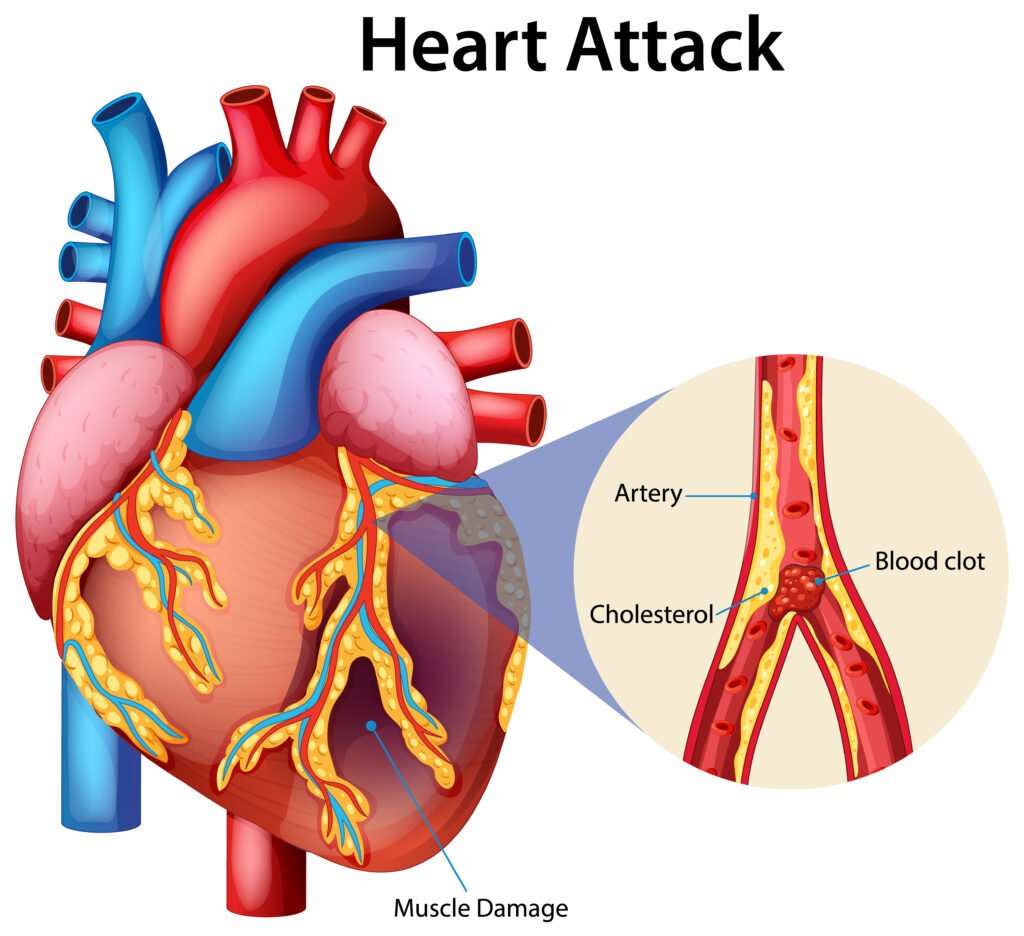
Stents are effective, but they aren’t permanent guarantees. Failure can happen in a few ways:
- Restenosis: the artery narrows again over time, sometimes due to tissue regrowth inside the stent.
- Thrombosis: a blood clot forms within the stent, which can occur suddenly and be serious.
- New disease: a separate blockage develops in a different part of the artery, unrelated to the original stent.
Any of these can bring back the same symptoms the stent was meant to resolve, or worse.
Stent vs. Bypass: Why Surgery Might Still Be Needed
Several factors can shift the balance in favour of heart bypass surgery over another stent:
- Complex artery anatomy: some blockages are too long, too calcified, or in awkward locations for a stent to manage safely.
- Diabetes or left main artery disease: research consistently shows bypass surgery offers better long-term outcomes for these patients.
- Previous stent failure: if a stent has already failed once, placing another may not solve the underlying problem.
For blockages in the heart’s most important artery, the left main coronary artery, CABG is often regarded as the gold-standard treatment, and it offers more durable results than repeat stenting in many cases.
When Stents Are Still the Right Choice
This doesn’t mean bypass is always the better option. Stents remain an excellent choice for patients with less complex, single-vessel blockages, especially when detected early and the artery’s structure allows safe stent placement. The right choice always depends on your specific anatomy and overall heart health, which is why an experienced cardiac surgeon in Lahore should evaluate your case individually.
After Your Procedure: What Matters Most
Whether you have a stent or go through heart bypass surgery, long-term success depends heavily on what happens afterward:
- Medication compliance: blood thinners and other prescribed medications prevent clot formation and re-blockage; skipping doses significantly raises risk
- Lifestyle changes: a heart-healthy diet, regular exercise, quitting smoking, and stress management all reduce the chance of future blockages
- Watching for symptoms: chest discomfort, shortness of breath, unusual fatigue, or swelling should never be ignored post-procedure
- Routine cardiology checkups: regular follow-ups allow your doctor to catch early signs of stent failure or new blockages before they become emergencies
Trust an Experienced Cardiac Surgeon
Deciding between another stent and bypass surgery requires a careful evaluation of your heart’s specific condition. Dr. Ghulam Sarwar, a leading cardiac surgeon in Lahore, brings extensive experience in both interventional and surgical cardiac care, helping patients clearly understand their options and choose the safest path forward.
Schedule a consultation with Dr. Ghulam Sarwar for an expert evaluation of your heart health and a personalised treatment plan.