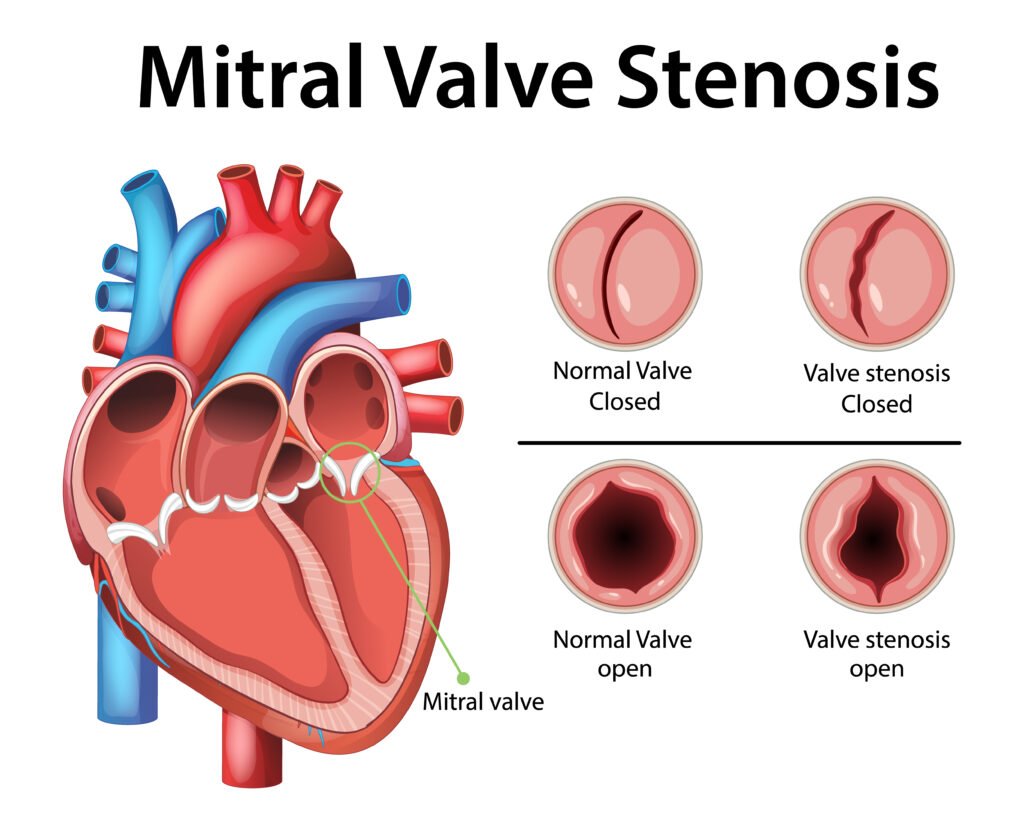
When the mitral valve, the flap that controls blood flow between the heart’s left atrium and left ventricle, becomes leaky (regurgitation) or narrowed (stenosis), surgery is often the most effective long-term solution. But not all mitral valve surgery looks the same. Among the different types of cardiac surgery for this condition, the two main options are repair and replacement, and understanding the difference matters for anyone facing this decision.
What Is Mitral Valve Disease? Where It Fits Among Types of Cardiac Surgery
The mitral valve normally opens and closes with each heartbeat to keep blood moving in one direction. When it malfunctions due to degeneration, infection, rheumatic disease, or a structural defect, blood can leak backward or have trouble passing through it efficiently. If left untreated, this forces the heart to work harder over time, which can lead to heart failure, irregular rhythms, or other complications. Surgical treatment is one of the more common types of cardiac surgery performed today, and understanding the two main approaches helps patients feel better prepared for a consultation.
Mitral Valve Repair
Mitral valve repair preserves the patient’s own valve tissue. The surgeon reshapes, reinforces, or reconstructs the existing valve, often using techniques such as annuloplasty (tightening the valve ring) or repairing torn or prolapsed leaflets so it can function normally again.
Advantages of repair:
- No lifelong dependence on a prosthetic device
- Generally no need for long-term blood-thinning medication
- Excellent long-term durability when performed by an experienced surgeon on suitable anatomy
- Preserves more of the heart’s natural structure and function
Repair is not possible for every patient; it depends largely on how much and what kind of valve damage is present, which is why an experienced surgical evaluation is essential before deciding on an approach.
Mitral Valve Replacement
When the valve is too damaged, calcified, or diseased to repair effectively, replacement is the better option. The damaged valve is removed and replaced with either:
- A mechanical valve: extremely durable, but requires lifelong blood-thinning medication to prevent clot formation.
- A biological (tissue) valve: no long-term blood thinners typically needed, but may wear out over years and eventually require replacement, particularly in younger patients.
Mitral Valve Repair vs. Replacement: Comparing the Two Types of Cardiac Surgery
| Mitral Valve Repair | Mitral Valve Replacement | |
|---|---|---|
| Uses patient’s own tissue | Yes | No, prosthetic valve implanted |
| Long-term blood thinners | Usually not required | Required for mechanical valves |
| Durability | Excellent, when suitable | Mechanical: very durable; tissue: may wear over time |
| Suitability | Depends on damage pattern and anatomy | Used when repair isn’t feasible |
| Reoperation risk | Lower, when repair is durable | Possible with tissue valves over the long term |
How the Decision Is Made
Whether to choose repair or replace depends on several factors: the type and severity of the valve disease, the condition of the heart tissue surrounding the valve, the patient’s age and overall health, and the surgeon’s experience with complex repair techniques. Repair is generally preferred when it is durable because it preserves the heart’s natural valve function, but replacement remains the right choice for many patients, depending on their anatomy.

Can These Be Done as Minimally Invasive Cardiac Surgery?
Both mitral valve repair and replacement can often be performed with minimally invasive cardiac surgery techniques, using smaller incisions between the ribs rather than a full sternotomy, in appropriately selected patients. This may result in less trauma to the chest wall, a smaller scar, and a comparatively smoother early recovery, though suitability depends on individual anatomy and case complexity.
Recovery After Mitral Valve Surgery
Recovery time depends on the procedure type and surgical approach, but most patients expect to stay in the hospital for several days, followed by weeks of gradually increasing activity and cardiac rehabilitation. Patients who undergo repair typically avoid long-term anticoagulation, while those with mechanical valve replacements require lifelong monitoring of blood-thinning medication.
Ready to Find the Right Type of Cardiac Surgery for Your Heart?
Mitral valve repair and replacement are two of the most established cardiac surgeries for valve disease, and the right choice depends entirely on your valve anatomy and overall health. As a heart surgeon in Lahore, Dr. Ghulam Sarwar examines each case thoroughly, including whether the anatomy is suited for repair, candidacy for a minimally invasive approach, and long-term outcomes, to help patients understand which option offers the best long-term result for their heart. Book a consultation today with Dr. Ghulam Sarwar for a personalized diagnosis of your condition.