
The aorta is the body’s largest blood vessel, carrying oxygen-rich blood from the heart to all organs. However, when one of these weak areas begins to bulge, it is called an aortic aneurysm. It may cause no symptoms for years and then become life-threatening in minutes. Educating yourself about aortic aneurysms, their progression, and when it is time to call a surgical emergency can save a life.
Dr. Ghulam Sarwar, a trusted heart surgeon in Lahore, frequently meets patients who remain unaware of this “silent killer” until their condition has become serious. This guide provides information about the condition, including its causes, symptoms, diagnosis, treatment, and what to do in an emergency.
What is an aortic aneurysm?
An aortic aneurysm is an abnormal bulging or ballooning of a section of the aortic wall that results from thinning of the wall in that area. Over time, blood flows through the weak spot under normal blood pressure, causing the wall to stretch like a worn-out hose, bulging just like a garden hose.
Types of aortic aneurysm are generally classified by location:
- Thoracic aortic aneurysm (TAA): Occurs in the part of the aorta that runs through the chest.
- Abdominal aortic aneurysm (AAA): Occurs in the part of the aorta that runs through the abdomen; this is the more common type.
- Thoracoabdominal aneurysm: Spans both the chest and abdominal sections.
Thoracic aneurysms are further subdivided according to their exact location within the thoracic aorta (i.e., the aortic root, the ascending aorta, the aortic arch, or the descending aorta) because each location carries a different risk profile and different size criteria for intervention.
Growth:
Aneurysms tend to grow slowly, usually at a rate of approximately 0.7 to 1.9 millimetres per year in a normal aortic size but at a greater rate in larger aneurysms and in individuals who have connective tissue disorders. Growth sometimes isn’t linear; some grow slowly over time, while others “bloom” quickly, especially when they reach a certain point in size. Surgeons keep watch with imaging and intervene when necessary.
What Kinds of Aortic Aneurysms Exist?
Beyond the location-based classification above, aneurysms can also be described by shape, including:
- Fusiform aneurysm: A symmetrical bulge around the entire circumference of the aorta, the most common shape.
- Saccular aneurysm: A bulge on only one side of the aortic wall, often smaller but sometimes more prone to rupture.
When Does It Require an Emergency Surgeon?
Most aortic aneurysms are discovered incidentally and can be safely monitored. However, certain situations demand immediate surgical attention:
- Aortic Rupture
A rupture occurs when the weakened aortic wall tears completely, causing massive internal bleeding. This is a catastrophic emergency with a very high mortality rate if not treated within minutes to hours.
- Aortic Dissection
A dissection happens when a tear develops in the inner layer of the aortic wall, allowing blood to surge between the layers and split them apart. This can cut off blood flow to vital organs and is considered one of the most dangerous cardiovascular emergencies.
Emergency Warning Signs
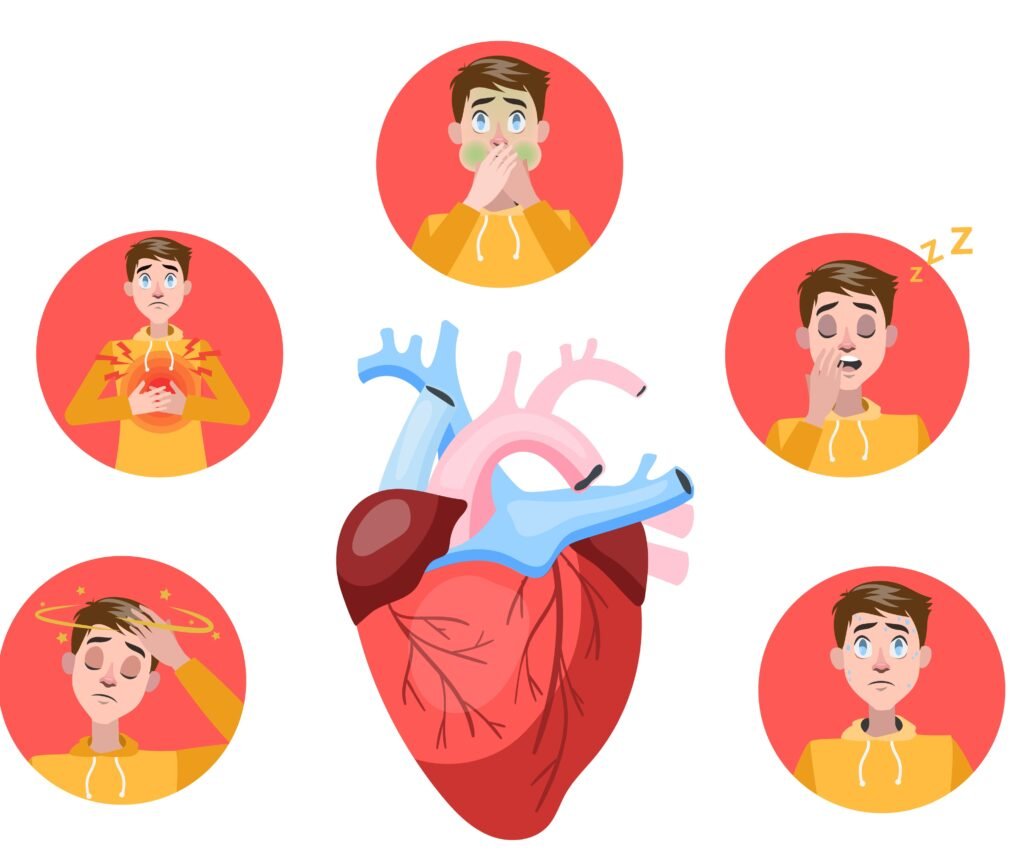
Seek emergency care immediately if you or someone else experiences:
- Sudden, severe chest, back, or abdominal pain, often described as tearing or ripping
- Pain that radiates between the shoulder blades
- Sudden dizziness, fainting, or loss of consciousness
- Rapid heartbeat or a sudden drop in blood pressure
- Cold, sweaty skin or difficulty breathing
- Weakness or numbness on one side of the body (may mimic a stroke)
Why Is an Enlarged Aorta So Dangerous?
The whole blood pumped out of the heart is pumped through the aorta at a high pressure. It grows, and the wall becomes thinner and weaker, like a balloon that gets weaker as it gets inflated. As the size reaches a certain level, the likelihood of rupture or dissection increases rapidly. Many patients may not have any symptoms of a large aneurysm until it ruptures, which is why it is very important for at-risk individuals to have regular screening.
Who is Most at Risk for Developing This Condition?
Certain groups face a significantly higher risk, including the following:
- Men over the age of 65
- People with a family history of aortic aneurysm
- Current or former smokers
- Individuals with high blood pressure (hypertension)
- People with atherosclerosis (hardening of the arteries)
- Those with connective tissue disorders (such as Marfan syndrome or Ehlers-Danlos syndrome)
- People with a bicuspid aortic valve or other congenital heart conditions
What Causes an Aortic Aneurysm?
The underlying cause is progressive weakening and degeneration of the aortic wall. Common contributing factors include:
- Long-standing high blood pressure, which places continuous stress on the vessel wall
- Atherosclerosis, which damages and stiffens the arterial lining
- Genetic connective tissue disorders that weaken the aortic wall structurally
- Inflammation or infection of the aorta (less common)
- Trauma to the chest or abdomen
What are the symptoms of an aortic aneurysm? What Does It Feel Like?
Most aortic aneurysms are asymptomatic and discovered incidentally during imaging for another condition. When symptoms do occur, they may include:
- A deep, constant ache in the chest, back, or abdomen
- A pulsing sensation near the navel (in abdominal aneurysms)
- Difficulty swallowing or hoarseness (if a thoracic aneurysm presses on nearby structures)
- Shortness of breath or a persistent cough
Because early-stage aneurysms rarely cause noticeable symptoms, screening is critical for people in high-risk groups.
How Common are Aortic Aneurysms?
Aortic aneurysms are quite common in older adults, especially men over 65 years, and are much more common than thoracic aortic aneurysms, which are relatively rare (about 1 per 10,000 people). The prevalence increases greatly with age and in individuals who have a family history of or have smoked. Many cases are not diagnosed until they are discovered during a scan for another condition, and this is why they are sometimes referred to as a “silent” condition.
What are the complications of an aortic aneurysm?
If left untreated, an aortic aneurysm can lead to the following:
- Rupture, causing severe internal bleeding and shock
- Aortic dissection
- Blood clots that break off and travel to other organs, causing blockages
- Organ damage due to reduced blood flow
- Death, particularly if rupture occurs outside a hospital setting
How is an aortic aneurysm diagnosed?
Diagnosis typically involves imaging studies, including:
- Ultrasound: Often the first screening tool, especially for abdominal aneurysms
- CT scan (with contrast): Provides detailed measurements of size and location
- MRI: Useful for detailed imaging without radiation exposure
- Echocardiogram: Particularly useful for thoracic aneurysms near the heart
Regular monitoring intervals are set based on the aneurysm’s size and growth rate.
How is an aortic dissection different from an aneurysm? How Dangerous Are These Conditions?
A bulge in the aortic wall due to wall weakness is called an aneurysm, and a tear in the inner lining resulting in blood flowing between the layers of the wall separates them. creating a dissection. An aneurysm may go for years without any complications, whereas a dissection is an acute emergency and is almost always sudden.
Dissections are categorised as Type A (ascending aorta near the heart) and Type B (descending aorta further along the aorta). The more life-threatening of the two is Type A, because it can block blood flow to the heart and brain; when the surgery is performed in the nick of time, mortality is much lower than when it’s delayed, which is why any diagnosis of Type A dissection is treated as a race against time.
Depending on complications, both types of B dissections may be treated medically initially but will need immediate specialist assessment.
How is an unruptured aortic aneurysm treated?
Treatment depends primarily on the aneurysm’s size, growth rate, and the patient’s overall health:
- Watchful waiting: Small aneurysms are monitored with regular imaging, alongside blood pressure control and lifestyle changes.
- Medication: Blood pressure and cholesterol-lowering medications help slow growth and reduce strain on the aortic wall.
- Elective surgery: Once the aneurysm reaches a size associated with higher rupture risk, or if it is growing quickly, surgical repair is recommended before an emergency develops.
How are aortic aneurysms treated? What Size Requires Surgery?
Aneurysms are generally considered for elective repair at about 5.5 cm in diameter (or when the aneurysm is growing rapidly in women or other special cases) and 5.5-6.0 cm for thoracic aneurysms, depending on location and underlying disease. They will depend on the person’s risk factors, growth rate, and connective tissue disorders, so it is important that you are evaluated by a specialist who understands your unique situation.
What are the types of aortic aneurysm surgery? What Kind of Surgery Repairs It, and How Long Does It Take?
There are two primary surgical approaches:
- Open surgical repair: The surgeon removes the weakened section of the aorta and replaces it with a synthetic graft. This is a major operation, generally taking several hours, and is often preferred for complex or extensive aneurysms.
- Endovascular aneurysm repair (EVAR/TEVAR): A minimally invasive approach where a stent graft is threaded through the blood vessels (usually via the groin) and positioned inside the aneurysm to reinforce the wall from within. This procedure is typically shorter and involves a smaller incision, though not every patient is a candidate.
The choice between these approaches depends on the aneurysm’s location, shape, and the patient’s overall health.
What Happens During the Surgery?
During open repair, the surgeon will make an incision in the chest or abdominal wall, redirect blood flow around the injured section of the aorta, excise the diseased part and sew in a fabric graft to restore blood flow.
With endovascular repair, small incisions are created near the groin, and the folded stent-graft is inserted into the blood vessel with the help of a catheter that is guided through the blood vessel under X-ray imaging until it reaches the site of the aneurysm, where it is inflated to strengthen the blood vessel wall from the inside.
What is the Recovery Process Like? How Long Does Recovery Take?
Recovery timelines differ based on the surgical approach:
- Endovascular repair: Hospital stays are often just a few days, with a return to normal activity typically within a few weeks.
- Open repair: Recovery is more extensive, typically around 5 to 10 days in the hospital, followed by roughly 4 to 6 weeks of recovery at home before resuming most normal activities, with full recovery sometimes taking a few months depending on the extent of surgery.
What Can I Expect After Aortic Aneurysm Surgery? What are the possible surgical risks?
After surgery, patients are monitored closely for:
- Bleeding or infection at the incision site
- Changes in blood pressure
- Kidney function (especially after open repair)
- Signs of graft-related complications
When Should Someone Consider This an Immediate Emergency and Call 911?
Call emergency services immediately if you experience sudden, severe, tearing pain in the chest, back, or abdomen, especially if accompanied by dizziness, fainting, a rapid pulse, cold sweats, or difficulty breathing. These symptoms could indicate a rupture or a dissection, both of which necessitate emergency transport to a hospital capable of providing immediate surgical intervention. Do not try to drive yourself; each minute counts.
What is the prognosis (outlook) for people with an aortic aneurysm?
The outlook depends heavily on early detection. Aneurysms found and monitored before rupture generally have a good prognosis, especially with elective surgical repair when indicated. Ruptured aneurysms, on the other hand, carry a significantly higher risk of death, particularly if emergency treatment is delayed. This contrast is exactly why routine screening for at-risk individuals and prompt evaluation by an experienced heart specialist in Lahore are so important.
Can I Prevent an Aortic Aneurysm?
While not all aneurysms can be prevented, especially those linked to genetic conditions, you can significantly lower your risk by:
- Not smoking, or quitting if you currently smoke
- Managing blood pressure and cholesterol levels
- Maintaining a heart-healthy diet and regular exercise routine
- Attending regular check-ups if you have a family history of aneurysms or connective tissue disorders
- Following your doctor’s recommended imaging schedule if an aneurysm has already been detected
Consult a Trusted Heart Surgeon in Lahore
Symptoms of an aortic aneurysm may not show up for several years. Early evaluation can mean the difference between a scheduled procedure and an emergency room crisis, particularly if you have risk factors, a family history, or symptoms that are of concern. Dr. Ghulam Sarwar, an experienced Heart Surgeon in Lahore, offers a complete diagnostic assessment, comprehensive treatment plan, and state-of-the-art surgical procedures, including open and minimally invasive aortic repair, to prevent life-threatening complications. For those with any concerns about their health of the aorta, book an appointment today for expert advice and peace of mind.
Frequently Asked Questions
What is the life expectancy without surgery for an aortic aneurysm?
If it’s small and being monitored, a person can live close to a normal life for years. But once it grows large, generally past 5.5 cm in men or around 5 cm in women, the rupture risk climbs fast, and a rupture outside a hospital is fatal in most cases.
Is abdominal aortic aneurysm surgery safe for people aged 80 or older?
Yes, age alone isn’t a dealbreaker. Many patients in their 80s do well with endovascular repair (EVAR), which is gentler than open surgery, as long as they’re treated electively rather than in a rupture emergency.
What is the abdominal aortic aneurysm treatment approach based on size and risk?
Small aneurysms are usually just monitored with imaging and blood pressure control, while larger or fast-growing ones are repaired surgically, either through open surgery or minimally invasive EVAR. The right choice comes down to size, shape, location, and the patient’s overall health.
What is life like after abdominal aortic aneurysm surgery?
Most patients who get through surgery and recovery go on to have a life expectancy close to anyone else their age. Many are back to normal activities, light exercise, and driving within a few weeks to a couple of months.