
Heart valve disease disrupts normal blood flow through the heart, which can cause symptoms that affect everyday life and, occasionally, serious complications. In the most severe cases of valve damage, heart surgery may be needed to restore normal blood flow and protect long-term heart function.
For many patients, the big question is whether a damaged valve should be repaired or replaced. Both procedures are effective forms of cardiac surgery, but the right choice depends on the valve condition, the severity of the disease, and the overall patient health. Learning the differences can help you make informed decisions about your treatment.
Understanding Heart Valve Disease and the Role of Heart Surgery
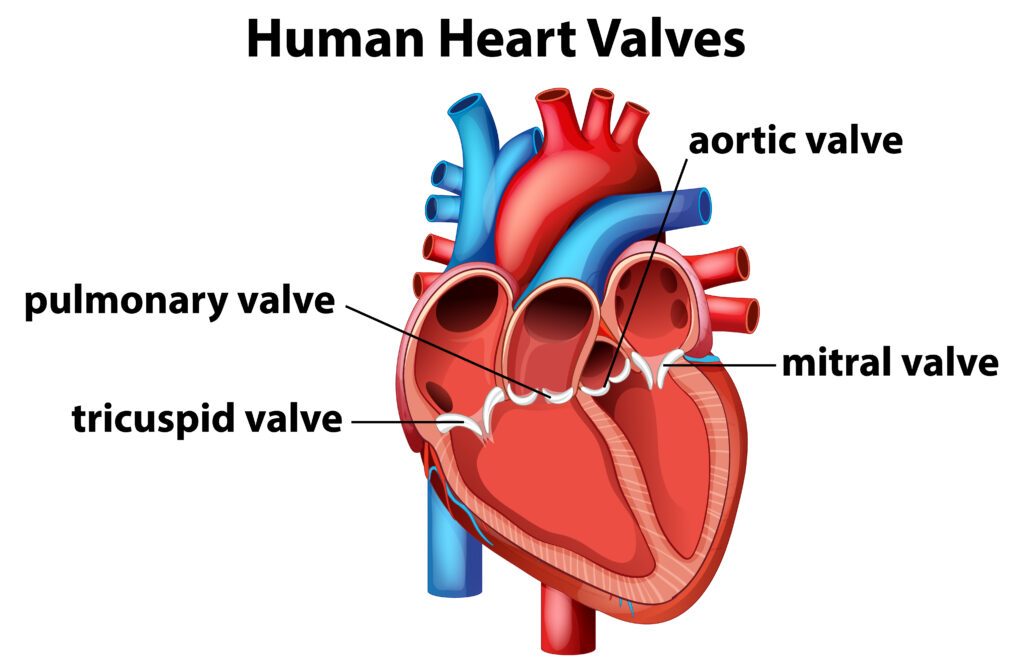
The heart contains four valves: the aortic, mitral, tricuspid, and pulmonary valves. The valves act like one-way doors, opening and closing with each heartbeat to keep the blood flowing in the right direction.
If a valve is damaged, narrowed, or leaking, the heart has to work harder to move blood. Over time, this extra strain can cause fatigue, shortness of breath, heart failure, and other complications. In severe cases, cardiac surgery may be required to repair or replace the damaged valve and restore normal function.
Common Types of Heart Valve Problems
Heart valve disease generally falls into two main categories.
Valve Stenosis
Valve stenosis occurs when a valve narrows and cannot open completely. This restricts blood flow and forces the heart to work harder to pump blood around the body.
Valve Regurgitation
Valve regurgitation occurs when a valve does not close properly, allowing blood to flow backward. This can reduce the heart’s efficiency while increasing the workload on the heart muscle.
Common causes of valve disease include ageing, congenital heart defects, rheumatic heart disease, infections, and other cardiovascular conditions.
Symptoms and Diagnosis of Heart Valve Disease
In some patients, the disease progresses slowly, and some have few symptoms in the early stages. As the disease progresses, the symptoms tend to be more obvious.
Common Symptoms
Patients may experience:
- Shortness of breath
- Fatigue or reduced exercise tolerance
- Chest discomfort
- Dizziness or fainting
- Swelling in the feet, ankles, or legs
- Rapid or irregular heartbeat
If you have these symptoms, a careful examination is needed to determine whether you need treatment or cardiac surgery.
How Is Heart Valve Disease Diagnosed?
Your cardiac specialist may use several diagnostic tests to assess valve function and the severity of the condition, including:
- Echocardiography
- Electrocardiogram (ECG)
- Cardiac CT scan
- Cardiac MRI
- Stress testing
- Cardiac catheterization
The findings help guide treatment decisions and identify the most appropriate intervention.

When Does Heart Surgery Become Necessary?
Not all patients with valve disease require urgent surgery. In some cases, routine monitoring and medication may be sufficient. However, cardiac surgery is often recommended when:
- Symptoms begin affecting quality of life
- Valve damage becomes severe
- Heart function starts to decline
- The heart enlarges due to increased workload
- The risk of heart failure or other complications increases
Early intervention can often prevent permanent heart muscle damage and improve long-term outcomes.
Heart Valve Repair: When Is It Recommended?
Heart valve repair means fixing the patient’s own valve rather than replacing it. Surgeons often prefer repair when possible, as it preserves the natural valve structure and function.
Generally, valve repair is favoured in patients with valve tissue that is still healthy enough to allow successful reconstruction.
How Valve Repair Is Performed
The specific procedure depends on the type of valve disease. Surgeons may reshape valve leaflets, repair tears, remove excess tissue, or reinforce the valve and improve function using an annuloplasty ring.
Benefits of Valve Repair
Potential benefits include the following:
- Preservation of the natural valve
- Better long-term heart function in suitable patients
- Reduced risk of valve-related complications
- Lower likelihood of lifelong blood-thinning medication
- Lower risk of infection in some cases
Potential Limitations
Although valve repair has many advantages, it may not be indicated in all patients. Possible limitations include the following:
- Not all broken valves can be fixed
- Some patients may require future procedures
- Complex valve disease may need replacement instead
Heart Valve Replacement: When Is It Needed?
Where repair is not possible, replacement may be the safest and most durable solution if the valve is too badly damaged.
Heart valve replacement is a well-established form of heart surgery that involves removing the diseased valve and replacing it with an artificial one designed to restore normal blood flow.
Types of Replacement Valves
Patients typically receive one of two types of valves: mechanical or biological tissue valve.
- Mechanical Valves
Mechanical valves are very durable and can last decades.
Advantages include great longevity and durability. Anticoagulant medication is usually required on a lifelong basis to reduce the risk of thrombus formation.
- Biological (Tissue) Valves
Biological valves come from animal or donor tissue.
They usually do not require lifelong blood-thinning medication, which makes them an attractive option for many patients. But they do wear out over time and need replacing at some stage.
How Doctors Decide Between Repair and Replacement
Whether to repair or replace a valve is a very individualised decision. Surgeons consider several factors before recommending the best course of treatment. These factors include:
- The valve affected
- Severity of valve damage
- Patient age
- Overall health condition
- Presence of other heart diseases
- Surgical risk profile
- Lifestyle considerations
- Long-term treatment goals
If the repair can be made durably, that is often preferred. But if the valve is badly damaged, replacement might be the better long-term solution.
Heart Valve Repair vs. Replacement: Key Differences
| Factor | Valve Repair | Valve Replacement |
| Natural valve preserved | Yes | No |
| Need for blood thinners | Usually lower | Often required with mechanical valves |
| Durability | Depends on repair quality | Generally excellent |
| Future procedures | Possible | Depends on valve type |
| Long-term valve function | Often excellent | Often excellent |
| Suitability | Selected patients | Wider range of patients |
Both options can be associated with significant symptom relief and improved quality of life if done at the right time.
Minimally Invasive Cardiac Surgery for Valve Disease
Developments in surgical technique have expanded the range of treatment beyond traditional open-heart surgery.
Minimally invasive cardiac surgery enables surgeons to repair or replace valves through smaller incisions in select patients. Minimally invasive procedures compared to traditional techniques might have:
- Smaller surgical incisions
- Less postoperative discomfort
- Reduced blood loss
- Shorter hospital stays
- Faster recovery
Not every patient is a candidate, but these techniques continue to improve outcomes for many individuals in need of valve therapy.
What Happens During Heart Surgery for Valve Disease?
Patients are given general anaesthesia before surgery and are carefully monitored during the procedure. Although the exact approach varies, valve surgery typically follows these steps:
- The chosen surgical approach provides access to the heart.
- The damaged valve is carefully examined.
- They either fix or replace the valve.
- Test blood flow and valve function
- The surgical site is closed, and recovery begins.
Your surgeon will discuss the specific technique that is recommended for your condition.
Recovery After Cardiac Surgery
Recovery is an important part of the treatment process and varies from patient to patient.
Recovery in the Hospital
Patients usually spend a few days in the hospital after cardiac surgery. The medical team watches the heart rhythm, blood pressure, breathing, and overall recovery during this period.
Recovery at Home
Patients gradually return to normal activities following discharge, as directed by their surgeon. Recovery often involves:
- Increasing physical activity gradually
- Taking prescribed medicine
- Attending follow-up appointments
- Participating in cardiac rehabilitation if advised
- Heart-healthy lifestyle habits
Many patients experience significant improvement in symptoms and quality of life after successful valve treatment.
What Happens If Heart Valve Disease Is Left Untreated?
If you ignore serious valve disease, that can be serious stuff. The heart can also be permanently damaged over time because it has to work so hard. If valve disease is left untreated, it can cause:
- Heart failure
- Strokes
- Arrhythmias
- Pulmonary arterial hypertension
- Irreversible damage to the heart
- Increased risk of sudden cardiac events
These outcomes are often preventable, and prompt treatment improves long-term survival.
Can Valve Disease Be Treated With Medications Alone?
Drugs can help control symptoms and reduce the strain on the heart but cannot repair a badly damaged valve.
Medicines may help slow progression or better control symptoms, but most patients with advanced valve disease will need cardiac surgery to correct the underlying problem.
Dental Health and Heart Valve Disease
Oral health is especially important for people with some valve conditions. Bacteria from dental infections can get into the bloodstream and potentially affect damaged heart valves.
Patients should continue to receive routine dental care and inform the dentist of any known valve disease. In some situations, preventive antibiotics may be recommended before specific dental procedures.
Advanced Heart Valve Care with Dr. Ghulam Sarwar
If you have valve disease, one of the most important things you can do is to choose the right surgeon. Dr. Ghulam Sarwar offers a comprehensive evaluation and treatment plan for patients requiring cardiac surgery. This determines whether valve repair, replacement, or a minimally invasive procedure is the best option for the patient.
Early detection and treatment can help maintain heart function and promote better long-term outcomes. If you have been diagnosed with heart valve disease or are experiencing symptoms that may require heart surgery, schedule a consultation with Dr. Ghulam Sarwar to discuss your treatment options and receive personalised guidance for your heart health.
FAQs
How serious is heart valve replacement surgery?
Heart valve replacement is a major heart surgery, but it is commonly performed with high success rates and established safety protocols.
What is the success rate of heart valve replacement surgery?
Heart valve replacement generally has a high success rate, especially when performed before significant heart damage occurs.
What is the heart valve replacement surgery death rate?
The risk will depend on your age and general health, and the complexity of the operation. Your surgeon can assess your personal risk.
Is valve repair better than valve replacement?
The best way to repair a valve is usually to repair it, but if the valve is too badly damaged, then replacement may be the better option.
How long does recovery take after cardiac surgery?
Most patients recover within several weeks, although full recovery may take a few months.
Can minimally invasive cardiac surgery be used for heart valve treatment?
Yes. Minimally invasive cardiac surgery can be used for heart valve treatment, depending on a patient’s condition and eligibility.