
If the coronary arteries become blocked, heart bypass surgery can be used to restore blood flow. Beating heart surgery (off-pump CABG) is a newer technique that allows the heart to continue beating during surgery rather than stopping.
This new approach to cadiac bypass surgery may make the surgery less traumatic and allow patients to recover more comfortably.
Heart Bypass Surgery vs Beating Heart Surgery
Heart bypass surgery is a procedure to restore normal blood flow to a blocked blood vessel in the heart.
Off-pump CABG (beating heart surgery) is a special type of cardiac bypass surgery where the heart keeps beating during the procedure, eliminating the need for a heart-lung machine in most cases.
| Features | Beating heart surgery | Heart bypass surgery |
| Heart conditions | Heart is stopped | Heart keeps beating |
| Heart-lung machine | Used | Not used in most cases |
| Patient type | Broad range of patients | Selected patients only |
| Surgical precision | High precision needed | Very high precision required |
What is Heart Bypass Surgery (Off-Pump CABG)?
Heart bypass surgery, also known as coronary bypass surgery or cardiac bypass surgery, restores oxygen-rich blood flow to the heart muscle when arteries are blocked or narrowed.
How the process works:
- Chest is opened to reach the heart
- Target coronary artery is stabilized
- A healthy blood vessel is grafted around the blockage
- Blood flow is restored to the heart muscle
Why Might You Need Cardiac Bypass Surgery?
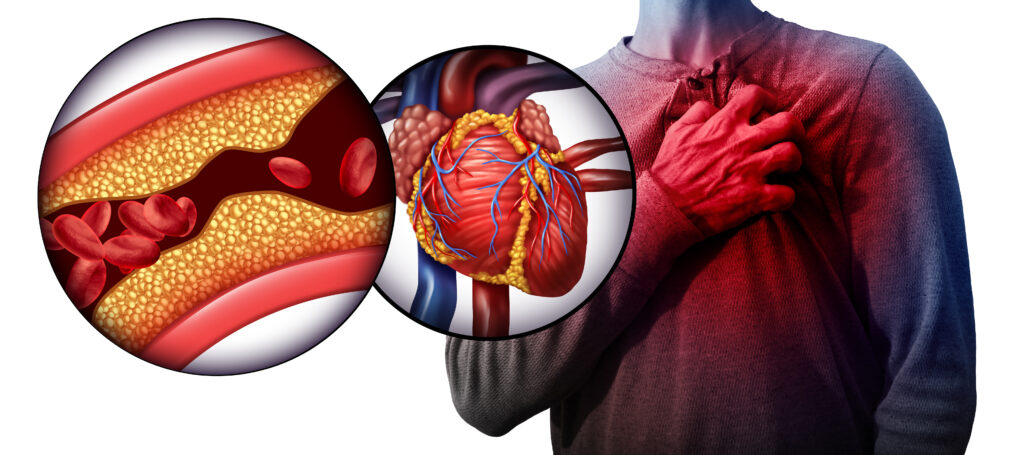
Cardiac bypass surgery is recommended when blood flow to the heart becomes critically reduced.
Common reasons:
- Severe coronary artery disease
- Multiple blocked arteries
- Chest pain (angina)
- Reduced heart function
- High risk of heart attack
Who Needs Off-Pump Cardiac Bypass Surgery?
Off-pump CABG is not required for every patient but is beneficial in selected cases.
Suitable patients:
- Elderly individuals
- High-risk cardiac patients
- Patients with kidney or lung disease
- Multiple blocked arteries
- Patients unsuitable for the heart-lung machine
How to Prepare for Off-Pump Cardiac Bypass Surgery
Proper preparation improves safety and outcomes in heart bypass surgery.
Medical preparation:
- ECG and angiography
- Blood tests and cardiac evaluation
- Medication review
Lifestyle preparation:
- Stop smoking
- Control blood pressure and diabetes
- Follow a heart-healthy diet
What Happens During Off-Pump CABG?
In off-pump CABG, the heart continues to beat while the surgeon carries out the bypass surgery.
Steps of surgery:
- Chest is opened to reach the heart
- Target artery is stabilized
- Graft is attached to bypass blockage
- Blood flow is restored
How Long Does Off-Pump CABG Take?
The duration of cardiac bypass surgery depends on the complexity and the number of blockages.
Typical duration:
- 3 to 6 hours on average
- Longer in complex cases
Benefits of Heart Bypass Surgery (Off-Pump CABG)
Off-pump CABG offers key advantages in suitable patients undergoing cardiac bypass surgery.
Reduced surgical stress:
- Heart remains beating
- Less impact on circulation
- Lower inflammation
Faster recovery:
- Shorter hospital stay
- Quicker return to routine life
- Less discomfort
Lower risk:
- Reduced transfusion need
- Safer for high-risk patients
- Lower complications
On-Pump vs Off-Pump Cardiac Bypass Surgery
On-Pump Surgery:
- Uses a heart-lung machine
- Heart is stopped temporarily
- Used in complex cases
- Longer recovery
Off-Pump Surgery:
- Heart continues beating
- No heart-lung machine in most cases
- Suitable for selected patients
- Faster recovery
Risks and Possible Complications
Like all major procedures, coronary bypass surgery carries some risks. Possible risks include:
- Bleeding
- Infection
- Irregular heartbeat
- Blood clots
- Rare conversion to on-pump surgery
Recovery After Cardiac Bypass Surgery
Recovering from heart bypass surgery is a slow process that begins in the hospital and continues at home with the right care, monitoring, and ongoing support.
In the hospital:
- ICU monitoring
- Heart rhythm observation
- Pain control
- Gradual movement
At home:
- Prescribed medication
- Wound care
- Light activity
Recovery Time After Cardiac Bypass Surgery
Here’s what the recovery timeline after cardiac bypass surgery looks like:
- Week 1: Hospital recovery
- Weeks 2-4: Improvement phase
- Weeks 6-12: Major recovery
- Full recovery: varies per patient
When to Seek Medical Attention
Contact your doctor if you notice the following warning signs:
- Chest pain
- Shortness of breath
- Fever or infection
- Swelling at the incision site
- Irregular heartbeat
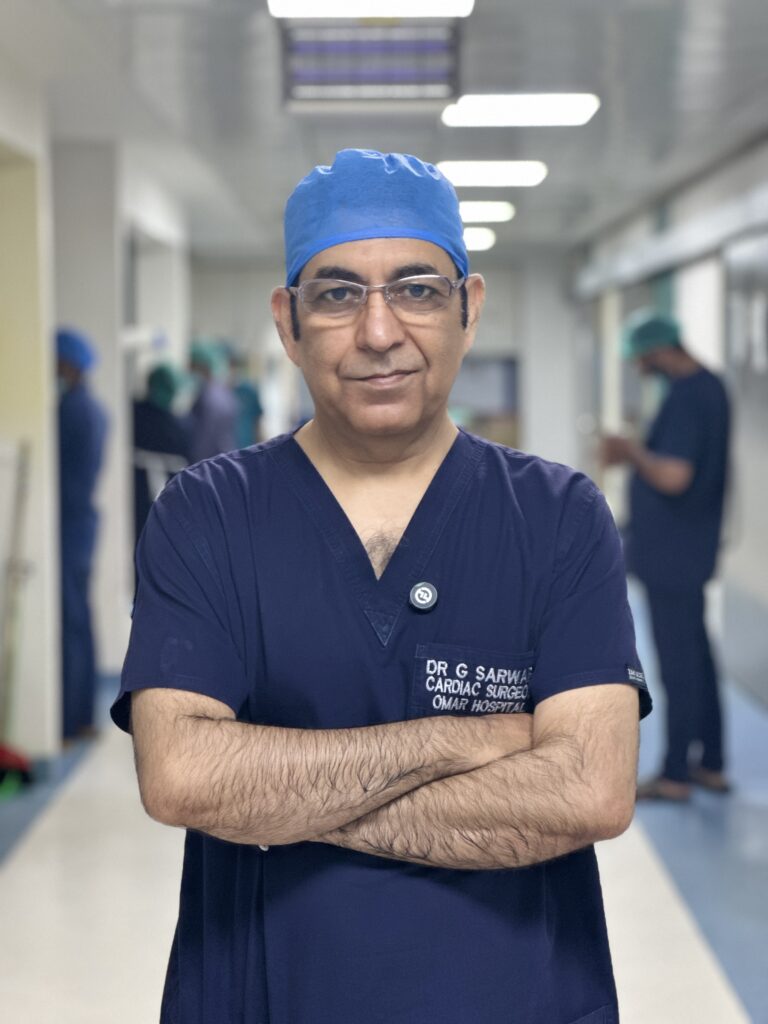
Dr. Ghulam Sarwar | Leading Expert in Heart Bypass Surgery
Dr. Ghulam Sarwar is a highly experienced cardiac surgeon with expertise in advanced heart bypass surgery, including off-pump CABG techniques. Patients choose him for:
- High-precision surgical care
- Focus on patient safety
- Personalized treatment planning
Take the Right Step Toward Expert Heart Care
Beating heart surgery, also known as off-pump CABG, has revolutionised the way complex heart surgery for bypass is performed, providing a safer and more controlled surgery option for selected patients. However, the success of treatment is dependent not only on the technique but also on the cardiac surgeon‘s expertise and the accuracy of clinical decisions.
Dr. Ghulam Sarwar at Omar Hospital & Cardiac Centre, Lahore, specialises in evaluating patients for heart bypass surgery. Every case is evaluated carefully to identify the most appropriate surgical approach.
Early consultation can make all the difference in your treatment outcome if you are having any chest pain, are breathless, or have been diagnosed with a heart blockage. Schedule an appointment with Dr. Ghulam Sarwar for a comprehensive heart assessment and tailored treatment.