
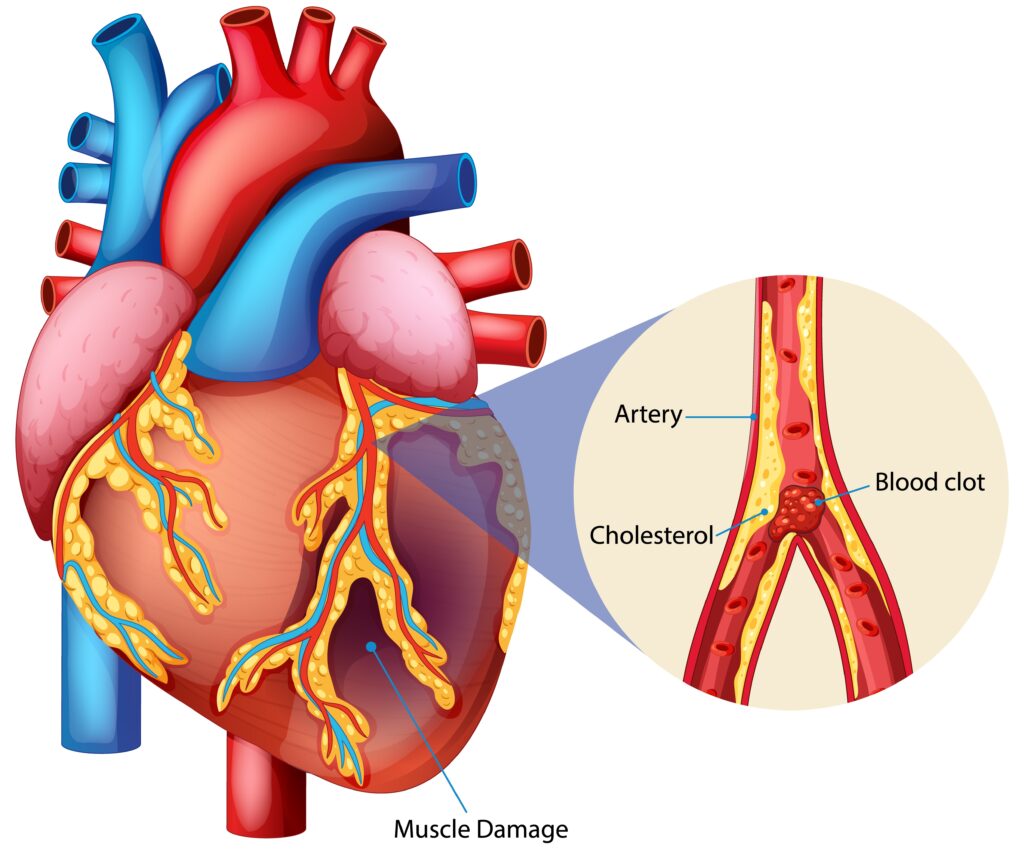
When arteries to the heart are blocked, less blood reaches the heart muscle, which can cause serious complications such as chest pain, a heart attack, or heart failure. In some instances of severe blockages or multiple arteries affected, cardiac bypass surgery may be recommended to restore healthy circulation.
This proven procedure has helped millions of patients to restore better heart function and improve the quality of their lives.
What Is Cardiac Bypass Surgery?
Coronary bypass surgery (also called coronary artery bypass grafting or CABG) is a procedure that is used to improve the flow of blood to the heart. Surgeons create a new pathway for blood to travel by using a healthy blood vessel taken from another part of the body to bypass blocked or narrowed coronary arteries.
The graft may be taken from the chest, arm, or leg, depending on the patient’s condition and the surgical plan. Once connected, the new pathway will improve the delivery of oxygen-rich blood to the heart muscle.
When Is Cardiac Bypass Surgery Recommended?
If coronary artery disease becomes worse or other treatments no longer work, doctors may recommend heart bypass surgery. The following situations are commonly recommended:
- Severe blockage in one or more coronary arteries
- Multiple narrowed arteries affecting heart function
- Ongoing chest pain despite medication
- Reduced the pumping strength of the heart
- Failed or unsuitable stent treatment
- High risk of future heart attack.
Why Some Patients Need Surgery Instead of a Stent
Stents are effective for many patients, but they may not be ideal for everyone. In cases where arteries are heavily blocked, involve multiple areas, or have complex disease patterns, cardiac bypass surgery often provides better long-term blood flow.
Surgery may also be preferred for patients with diabetes or those with blockage in the main coronary artery, where durable treatment is especially important.
How Coronary Bypass Surgery Is Performed
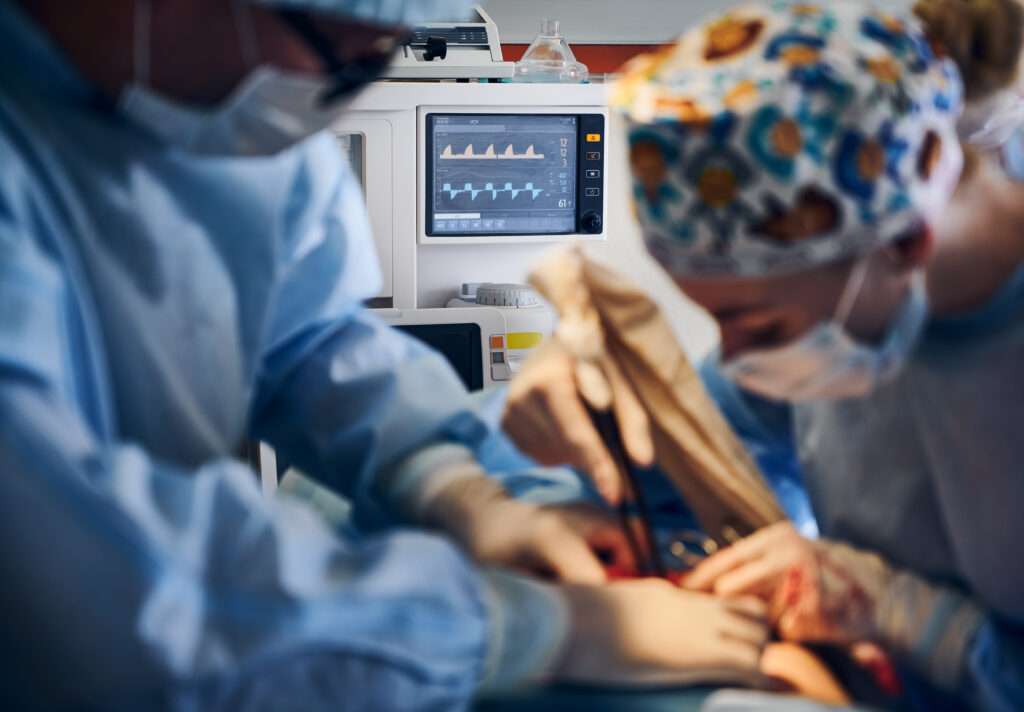
The procedure is done under general anaesthesia by a cardiac surgeon. The chest is opened during the surgery to access the heart, and healthy blood vessels are used to bypass the blocked arteries.
Depending on the case, surgery may be performed.
- On-pump: A heart-lung machine supports circulation during the operation
- Off-pump: Surgery is performed while the heart continues beating
The number of bypass grafts depends on how many arteries need treatment.
Benefits of Heart Bypass Surgery
For suitable patients, cardiac bypass surgery offers important long-term benefits, including:
- Improved blood flow to the heart
- Relief from chest pain and discomfort
- Lower risk of heart attack
- Better ability to exercise and stay active
- Improved quality of life
- Enhanced long-term survival in selected patients
Risks and Possible Complications
Like any major procedure, cardiac bypass surgery carries some risks. These may vary depending on age, general health, and heart condition. Possible risks include the following:
- Bleeding
- Infection
- Irregular heartbeat
- Stroke
- Kidney complications
- Delayed wound healing
An experienced surgical team works carefully to minimise these risks through detailed planning and close monitoring.
Recovery After Heart Bypass Surgery
Recovery begins in the hospital, where patients are monitored closely after surgery. Most people stay several days before going home.
During the recovery period:
- Walking and light activity gradually increase
- Pain is managed with medication
- Breathing exercises support lung recovery
- Follow-up appointments track healing progress
- Cardiac rehabilitation may be recommended
Many patients continue improving over several weeks to months.
Lifestyle Changes for Long-Term Success
Successful recovery also depends on protecting heart health after surgery. Patients are often advised to:
- Stop smoking
- Follow a heart-healthy diet
- Maintain healthy blood pressure and cholesterol
- Stay physically active
- Manage diabetes carefully
- Take medications as prescribed
- Attend regular cardiac checkups
These steps help preserve the benefits of cardiac bypass surgery for years to come.
When to Contact a Heart Specialist
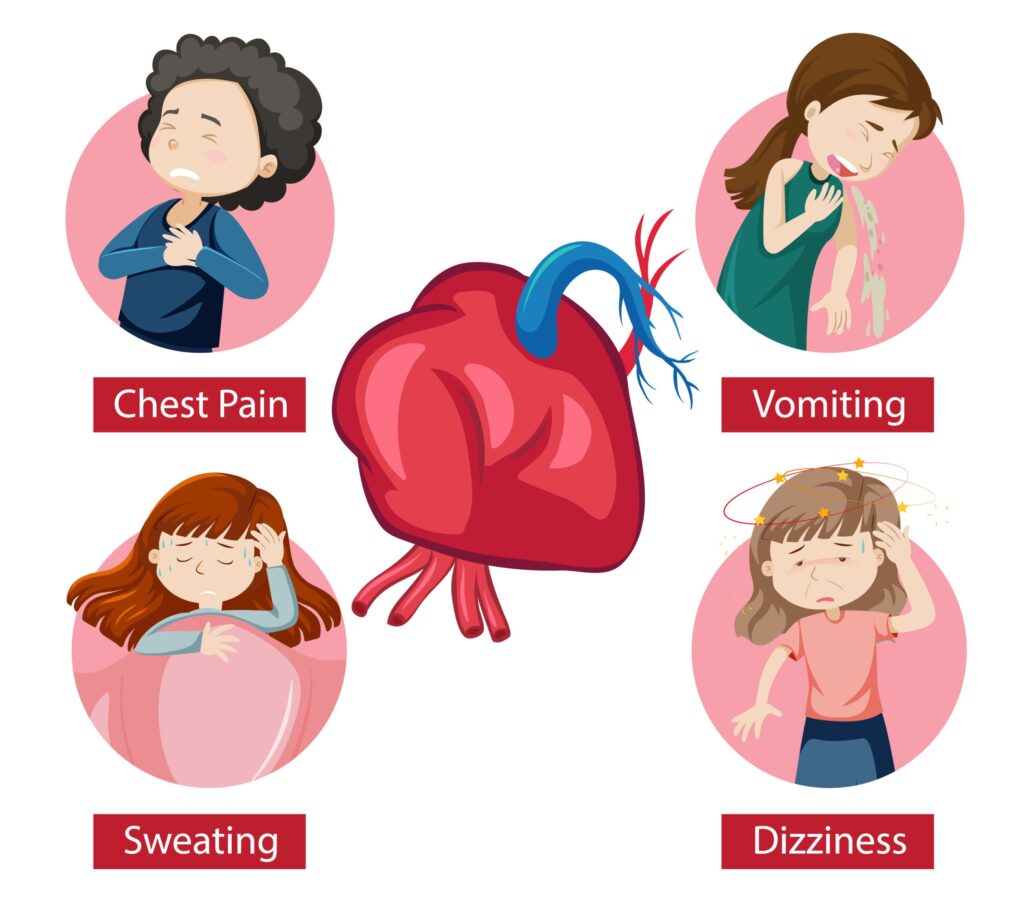
After surgery or during heart disease treatment, medical attention should be sought if symptoms such as chest pain, shortness of breath, wound redness, fever, swelling, or unusual fatigue develop. Early review can prevent complications and support a smoother recovery.
Expert Coronary Bypass Surgery Care in Lahore
Choosing an experienced heart surgeon is important when considering cardiac bypass surgery. Dr Ghulam Sarwar provides expert evaluation, surgical planning, and patient-focused care for individuals dealing with blocked heart arteries and complex heart conditions.
FAQs
How long does heart bypass surgery take?
Most cardiac surgeries take between 3-6 hours, depending on the number of required bypass grafts and case complexity.
Is heart bypass surgery open-heart surgery?
Yes. Open-heart surgery is generally considered the traditional bypass surgery. The methods may vary.
How successful is coronary artery bypass surgery?
It is considered a very successful treatment for many patients who are suitable for it, especially when combined with healthy lifestyle changes after a recovery.
How long do bypass grafts last?
Many grafts continue to function well for years, particularly when patients adhere to medical guidance and sustain heart-healthy behaviours.