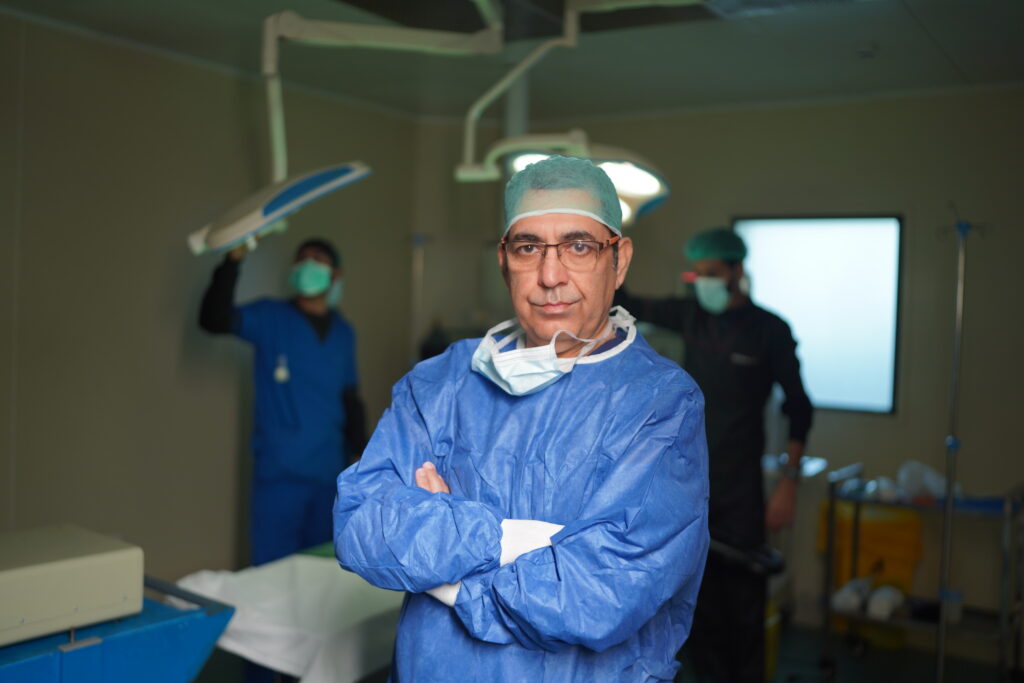
Cardiac surgery encompasses a wide range of procedures aimed at treating heart conditions. Among the most advanced is heart transplant surgery, which can save the lives of patients with end-stage heart disease.
In Pakistan, advances in cardiac surgery have made complex procedures such as heart transplants more accessible, giving patients suffering from severe heart failure hope.
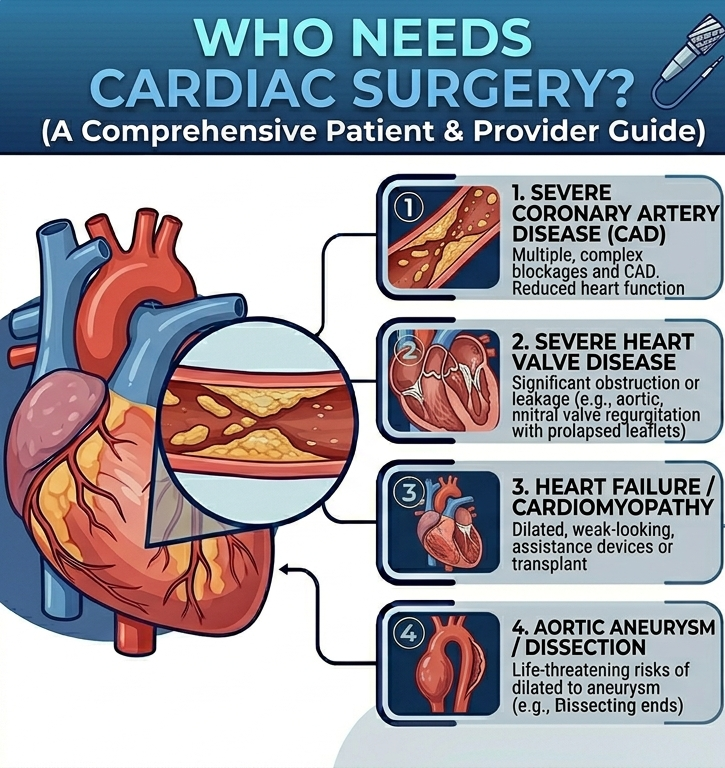
Who Needs Cardiac Surgery?
Typically, heart transplant surgery is recommended when all other treatments have failed. Candidates may include patients with:
- Advanced heart failure
- Severe cardiomyopathy
- Irreparable coronary artery disease
- Life-threatening arrhythmias
- Congenital heart defects (in select cases)
Doctors carefully evaluate each patient to determine whether a transplant is the best option.
Evaluation Process Before a Cardiac Surgery
Before undergoing heart transplant surgery, patients go through a detailed assessment. This includes:
- Medical history review
- Heart function tests
- Blood and tissue matching
- Psychological evaluation
- Overall health screening
This process ensures that only suitable candidates proceed, improving the chances of success.
What to Expect During the Surgery
Heart transplant surgery is a highly complex cardiac procedure performed under strict medical protocols. Key steps include:
- Removal of the diseased heart
- Placement of the donor heart
- Reconnection of major blood vessels
- Continuous monitoring during surgery
The procedure requires a highly skilled cardiac surgery team and advanced hospital infrastructure.
Recovery and Life After Heart Transplant
Recovery after heart transplant surgery is a gradual process that involves careful monitoring and lifestyle adjustments. Patients can expect:
- ICU stay followed by hospital recovery
- Lifelong immunosuppressive medications
- Regular follow-up visits
- Cardiac rehabilitation
With proper care, many patients return to a significantly improved quality of life.
Risks and Challenges in Heart Transplant Surgery
Like all major cardiac surgery procedures, heart transplants carry risks, including:
- Organ rejection
- Infections
- Medication side effects
- Long-term complications
However, with expert medical supervision, these risks can be effectively managed.
Choosing the Right Cardiac Surgery Expert in Pakistan
Heart transplant surgery requires exceptional expertise, precision, and patient-centred care.
Dr. Ghulam Sarwar is known for being very good at cardiac surgery. He takes care of patients from the time they are diagnosed until they are fully healed. His method puts safety first, uses cutting-edge surgical methods, and aims for long-term success.
Patients in Pakistan who are thinking about heart transplant surgery should talk to an experienced cardiac surgeon to make sure they get the best results and a better quality of life.