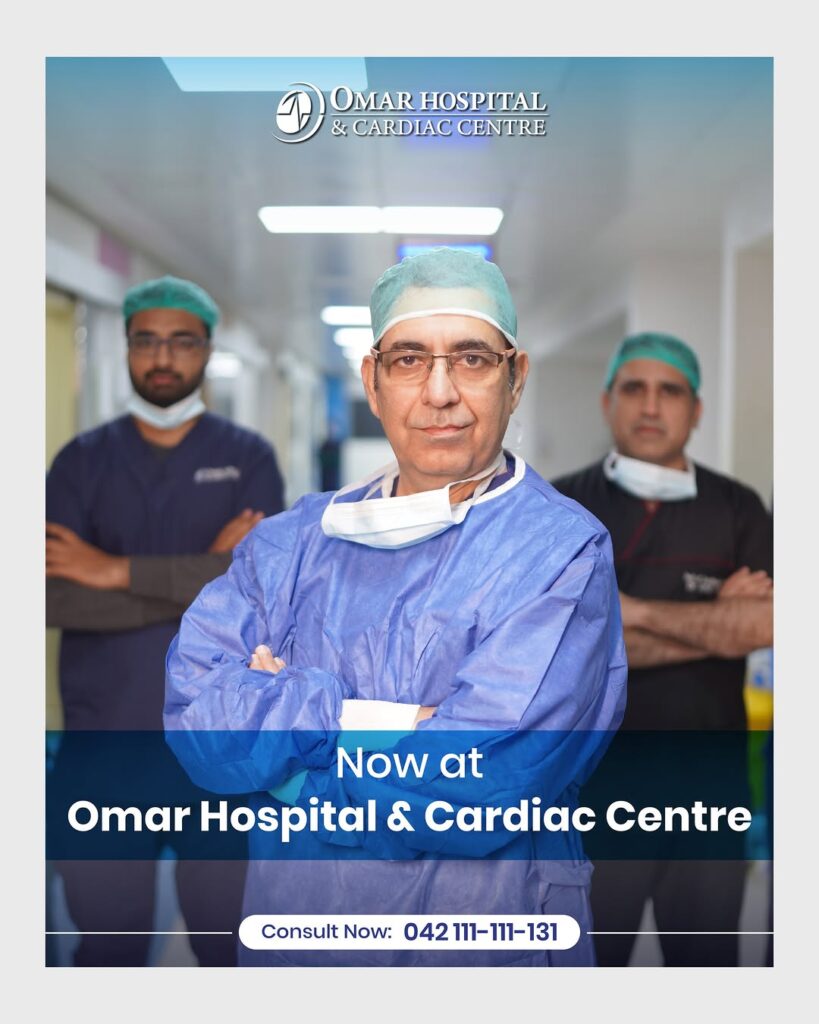
Today, heart surgery is more advanced and patient-focused than ever before. Minimally invasive cardiac surgery is a modern surgical approach that is performed using small chest incisions instead of the large incision that is used in traditional open-heart surgery.
For many patients, this technique offers less pain, shorter hospitalization, and a faster return to daily life, while maintaining the same surgical goals as conventional methods.
If you have been advised to undergo heart surgery, discussing your options with an experienced cardiac surgeon can help you understand whether a minimally invasive approach is suitable for your specific condition.
What Is Minimally Invasive Cardiac Surgery?
Minimally invasive heart surgery refers to specialized cardiac surgery procedures performed through one or more small incisions in the chest. Surgeons access the heart using carefully placed openings between the ribs or through a small partial sternotomy instead of dividing the entire breastbone. During the procedure, surgeons use:
- High-definition cameras
- Long, precise surgical instruments
- In selected cases, robotic assistance
This approach reduces surgical trauma while allowing the surgeon to repair or correct the heart condition safely.
Patients often search for what is minimally invasive heart surgery when exploring alternatives to traditional surgery. The key difference lies in how the heart is accessed, not in the seriousness of the operation itself. It remains a major heart procedure that requires expertise and careful patient selection.
Types of Minimally Invasive Cardiac Surgery
There are different techniques under the umbrella of minimal invasive cardiac surgery, and the choice depends on the heart condition being treated.
- Thoracoscopic Surgery
The surgeon makes small incisions on the side of the chest and inserts a camera (thoracoscope) along with long instruments. This method is commonly used for valve repair and selected structural defects.
- Mini-Sternotomy
Instead of fully opening the breastbone, only a small portion is divided. This technique is often used for aortic valve procedures.
- Minimally Invasive Cardiac Bypass Surgery
In carefully selected cases, limited-incision cardiac bypass surgery can be performed without a full sternotomy.
- Robotic-Assisted Heart Surgery
In some advanced centers, robotic arms controlled by the surgeon allow highly precise movements through tiny incisions.
Each approach is designed to reduce tissue disruption while maintaining surgical safety.
What Conditions Can Be Treated?
Minimally invasive heart surgery can be used to treat:
- Mitral valve repair or replacement
- Aortic valve disease
- Atrial septal defect (ASD) closure
- Selected coronary artery disease
- Removal of certain cardiac tumors
Not all cases are suitable for minimally invasive techniques, and proper evaluation is essential.
What Happens Before the Procedure?
Before surgery, your surgeon will:
- Review imaging tests and cardiac evaluations
- Conduct blood work and routine pre-operative tests
- Adjust certain medications if needed
- Explain anesthesia and surgical planning
You will receive general anesthesia during the procedure to remain fully asleep.
What Happens During Minimally Invasive Cardiac Surgery?
During minimally invasive heart surgery, the surgeon:
- Makes one or more small incisions.
- Inserts surgical instruments or robotic arms.
- Accesses the heart between the ribs.
- Repairs or replaces the affected structure.
- Closes the incisions carefully.
Depending on the complexity, surgery takes upto two to six hours.
Evidence-Based Benefits of Minimally Invasive Heart Surgery
Compared to traditional open heart surgery, minimally invasive heart surgery offers:
- Reduced surgical trauma
- Lower risk of wound infection
- Less blood loss
- Smaller scars
- Shorter ICU stay
- Faster overall recovery
These benefits are supported by clinical results in patients who are carefully selected. However, outcomes largely depend on the surgeon’s skills and the patient’s overall condition.
Risks and Possible Complications
Like all major cardiac surgery procedures, minimally invasive heart surgery carries potential risks. Transparency about complications from cardiac surgery helps patients understand both benefits and limitations. Possible complications include:
- Bleeding
- Infection
- Irregular heart rhythms (arrhythmias)
- Stroke
- Reaction to anesthesia
- Rare need to convert to open heart surgery during the operation
Although complication rates are often comparable or lower than traditional surgery, patient safety always remains the priority.
Who is a Good Candidate for Minimally Invasive heart Surgery?
Careful evaluation by an experienced heart surgeon is necessary to determine stability. In case you are considering minimally invasive cardiac surgery in Pakistan, Dr. Ghulam Sarwar can help clarify:
- Whether you qualify for a minimally invasive approach
- Whether traditional open surgery would be safer
- What long-term outcomes can you realistically expect
Personalized evaluation is the most important step before making a surgical decision.
Who Is Not a Candidate?
Not every candidate is suitable for minimally invasive heart surgery. Considering this, this surgery is not appropriate for:
- Emergency heart attack cases
- Severe multi-vessel coronary artery disease
- Advanced heart failure
- Extensive calcification of heart structures
- Patients requiring multiple complex procedures at once
In these situations, conventional heart surgery through open methods doesn’t provide a safer and more comprehensive solution.
Recovery Timeline After Minimally Invasive Cardiac Surgery
Although recovery is generally faster than traditional surgery, each patient heals at a different pace. Structured follow-up and guided cardiac rehabilitation have been shown to improve recovery outcomes significantly.
Patients receiving minimally invasive cardiac surgery benefit the most when surgical treatment is added to regular monitoring and qualified follow-up. Here’s a realistic breakdown:
1. Hospital Stay (3-5 Days)
Most patients remain in the hospital for approximately three to five days, depending on the procedure and overall condition.
2. Week 1 Recovery
- Mild soreness at the incision site
- Gradual walking and mobility
- Breathing exercises
- Heart rhythm monitoring
3. Weeks 2-4
- Improved energy levels
- Light household activities resume
- Follow-up consultations
4. Return to Work
Many patients return to desk-based work within three to four weeks, while physically demanding jobs require more time.
5. Driving Restrictions
Driving is usually avoided for two to three weeks or until cleared by the surgeon.
6. Exercise Resumption
A supervised cardiac rehabilitation program is often recommended to restore strength and cardiovascular fitness safely.
Although recovery is generally faster than traditional surgery, each patient heals at a different pace.
When Should You Consult a Cardiac Surgeon?
You should seek surgical consultation if:
- You are diagnosed with valve disease
- You are advised to undergo cardiac bypass surgery
- You experience constant shortness of breath, chest discomfort, or fatigue
- Your cardiologist recommends a surgical evaluation
Early consultation increases the chances of having more intervention choices, which include minimally invasive methods. If you are thinking about minimally invasive cardiac surgery in Pakistan, you can book a consultation with Dr. Ghulam Sarwar,which allows you to have an in-depth diagnosis, a transparent explanation of the surgery types, a candid conversation about the risks and benefits, and a treatment plan based on your heart problems.
Choosing the right surgeon is as important as choosing the right procedure. An informed decision, guided by experience and careful evaluation, provides the safest path toward long-term heart health.