
One of the most severe medical cases is heart emergencies. Timely awareness and guidance from a heart specialist in Lahore can make the difference between life and death. Understanding the distinction between a heart attack and cardiac arrest, recognizing symptoms in the early stages, and knowing what to do in case of an emergency can help save lives.
Heart attack and cardiac arrest are different and must be treated differently, although they are often used interchangeably. This manual is an expert-edited compilation of insights, tips, and emergency response strategies recommended by a heart specialist in Lahore to help patients and their families act quickly and confidently.
Difference between Cardiac arrest vs Heart Attack
Heart Attack
When a coronary artery is blocked normally by a blood clot, a heart attack occurs, limiting the blood supply to an area of the heart. This may cause harm to the heart muscle unless it is treated in time.
Key Points:
- Blood flow to the heart is restricted
- Symptoms can develop gradually or suddenly
- The patient usually remains conscious
- Pulse may still be present
Cardiac Arrest
The heart suddenly experiences a malfunction in its electrical rhythms, so it stops beating, and this condition results in cardiac arrest. The circulation ceases, and after a short period, the patient loses consciousness almost entirely.
Key points:
- Electrical activity in the heart stops
- Occurs suddenly, often without warning
- No pulse is detected
- Immediate intervention is necessary to survive
5 Key Differences Between Heart Attack and Cardiac Arrest
Knowing these differences can help you act quickly in a life-threatening situation
| Feature | Heart attack | Cardiac arrest |
| Cause | Blood flow blockage | Electrical failure |
| Onset | Gradual or sudden | Sudden |
| Consciousness | Usually conscious | Loss of consciousness |
| Pulse | May be present | No pulse |
| Immediate Response | Call emergency services | Begin CPR immediately |
Warning Signs: Recognize Early
If you notice any of these warning signs, treat them as an emergency. Acting quickly can save lives.
Heart Attack Warning Signs:
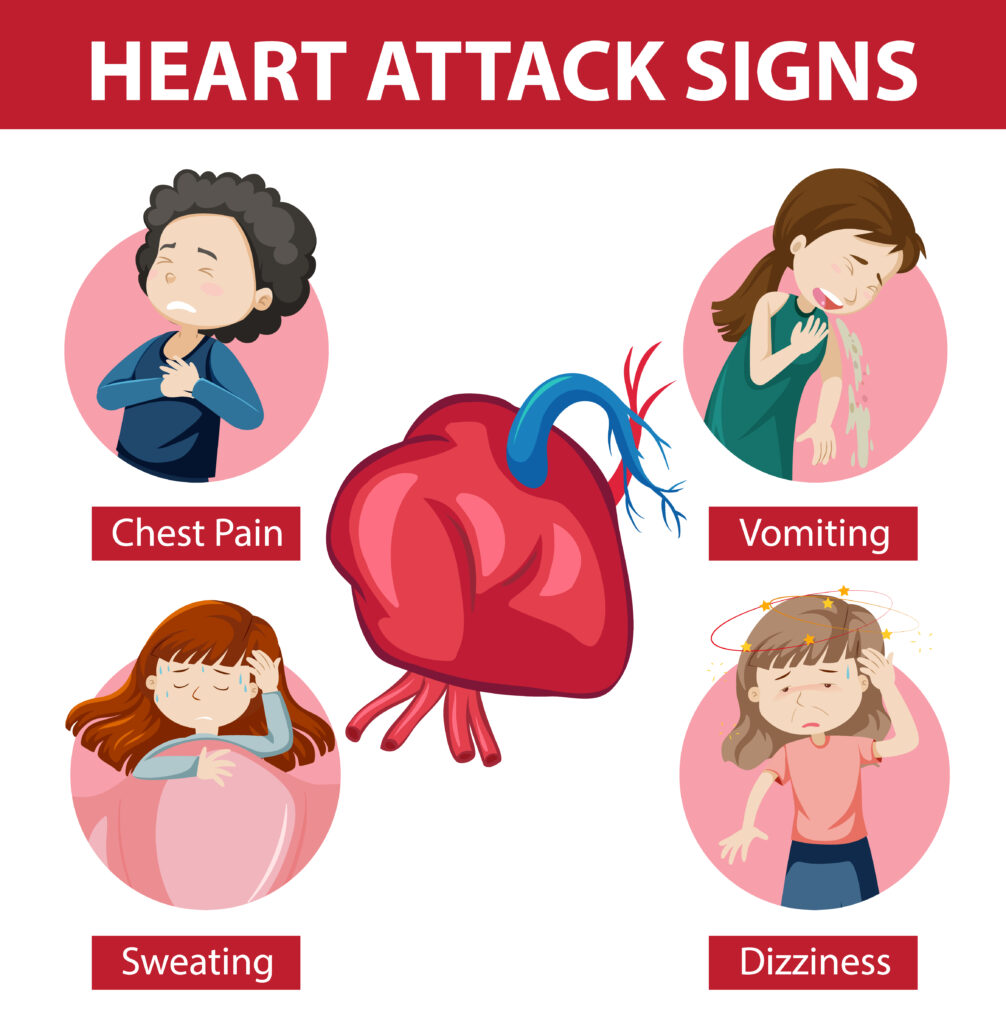
- Chest discomfort, pressure, or pain lasting several minutes
- Shortness of breath
- Nausea, dizziness, or lightheadedness
- Pain radiating to the arm, neck, jaw, or back
- Cold sweat or fatigue
Cardiac Arrest Warning Signs:
- Sudden collapse
- No detectable pulse or abnormal breathing
- Severe dizziness or extreme fatigue
- Fainting without warning
What to Do in an Emergency
Here are some necessary steps you can take during an emergency
Steps During a Heart Attack:
- Call emergency services immediately (e.g., 9/11)
- Keep the patient calm and seated in a comfortable position
- Administer aspirin if advised by a doctor
- Monitor symptoms until help arrives
- Be prepared for possible cardiac procedures and surgeries, such as bypass surgery or minimally invasive cardiac surgery
Steps During Cardiac Arrest:
- Begin CPR immediately, focus on chest compressions
- Use an Automated External Defibrillator (AED) if available
- Continue CPR until medical personnel arrive
- Learn compression-only CPR for faster intervention
A quick and correct response is crucial. Early CPR can double or triple survival chances.
Lifestyle Changes to Reduce Heart Risk
Prevention is the most powerful step in protecting your heart. Recommended lifestyle measures:
- Maintain a balanced diet rich in fruits, vegetables, and lean proteins
- Engage in regular physical activity suited for heart health
- Manage blood pressure, cholesterol, and diabetes
- Avoid smoking and excessive alcohol use
- Schedule regular check-ups with a heart specialist in Lahore to monitor heart health and detect risks early
- Maintain a healthy weight and stress levels
Implementing these changes can significantly reduce the risk of heart attack and cardiac arrest.
Activities After a Heart Attack or Cardiac Arrest
Recovery and ongoing care are critical for long-term heart health. Patients should:
- Gradually resume physical activity under medical supervision
- Participate in cardiac rehabilitation programs
- Monitor heart health through regular cardiac tests such as ECG, echocardiography, or stress tests
- Follow prescribed medications and lifestyle adjustments
- Avoid extreme physical exertion until cleared by a heart doctor
Post-emergency care is essential to prevent recurrence and maintain quality of life.
Which is Worse? Heart Attack vs Cardiac Arrest
Both conditions are serious, but cardiac arrest is immediately life-threatening. Heart attacks can sometimes provide a short window for medical intervention. Understanding the cause helps guide proper response and recovery, which is why timely evaluation by a heart specialist in Lahore is strongly recommended after any heart-related emergency.
From Diagnosis to Recovery: How Dr. Ghulam Supports Your Care Journey
As a leading heart surgeon in Lahore and an interventional cardiologist, Dr. Ghulam offers comprehensive cardiac care:
- Expert heart health assessment and diagnostic tests
- Minimally invasive cardiac surgery and bypass procedures
- Emergency intervention guidance for heart attacks and cardiac arrests
- Lifestyle counseling and preventive care
- Ongoing follow-ups to monitor heart health
Choosing the right heart specialist in Lahore ensures timely care, reducing complications and improving outcomes.
FAQs
Can a heart attack lead to cardiac arrest?
Yes. Severe heart attacks may trigger cardiac arrest. Immediate intervention is critical.
What are the first steps in a heart emergency?
First steps in a heart emergency are:
Heart attack → call emergency services. Cardiac arrest → begin CPR immediately.
Are minimally invasive cardiac surgeries safe?
Yes. Procedures like minimally invasive cardiac surgery reduce recovery time, scars, and risks.
When should I consult a heart specialist in Lahore?
You should consult a heart specialist in Lahore if you experience chest pain, shortness of breath, irregular heartbeat, dizziness, or have a family history of heart disease.