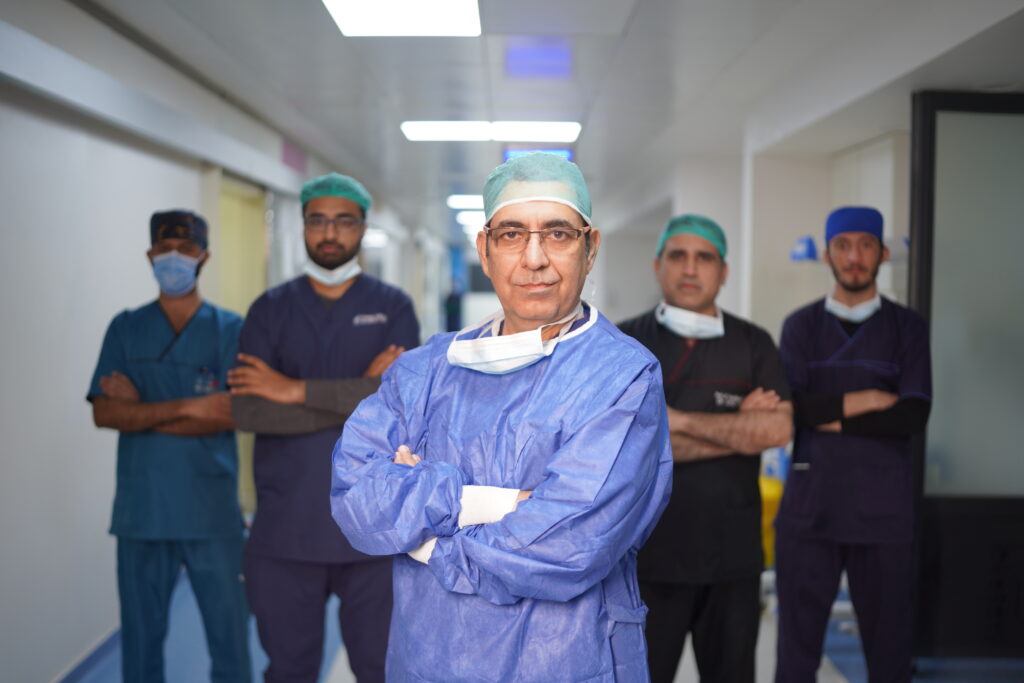
Heart disease remains one of the leading health challenges, affecting people of all ages. Today, a cardiac surgeon plays an important role in treating complex heart conditions while guiding patients toward safer and more advanced treatment options. Over the past few years, cardiac surgery has undergone major technological and procedural changes.
Cardiac bypass surgeries that once required large incisions and long hospital stays are now safer, quicker, and less painful. With advanced technology and modern surgical techniques, skilled cardiac surgeons can now focus on both patient survival and long-term quality of life. In Lahore, heart specialists such as Dr Ghulam Sarwar, a senior cardiac surgeon, in Lahore reflect these advancements through their clinical practice.
Here are the seven important trends shaping the future of heart surgery.
1. Robotic-Assisted Cardiac Surgery: A Cardiac Surgeon’s Perspective
In modern heart care, robotic-assisted cardiac surgery is gaining attention rapidly. In this approach, a cardiac surgeon uses advanced robotic tools to perform procedures through small incisions, avoiding the need to open the chest fully.
The surgeon remains in complete control of the system, while robotic instruments enhance precision and stability. Many leading heart centres are adopting this approach alongside other minimally invasive techniques.
This approach offers several benefits, including:
- Smaller surgical incisions
- Less postoperative pain
- Reduced blood loss
- Faster recovery
- Shorter hospital stays
2. Artificial Intelligence (AI) in Cardiac Surgery
Artificial Intelligence (AI) is transforming how a cardiac surgeon diagnoses and plans heart procedures. AI systems are used to analyze large amounts of medical data, helping identify risks and patterns that may not be immediately visible.
In heart bypass surgery, AI helps to:
- Support early diagnosis of heart conditions
- Assist cardiac surgeons in surgical planning
- Improve patient monitoring and safety
When combined with surgical expertise, AI supports safer and more informed decision-making in complex cardiac cases.
3. 3D Real-Time Guidance and Advanced Imaging
For successful bypass cardiac surgery, clear visualization of the heart is essential. With advanced 3D imaging, a cardiac surgeon can see detailed heart structures and, in some cases, receive real-time guidance during surgery.
These advanced 3D tools help by:
- Improving understanding of complex heart anatomy
- Reducing surgical risks
- Supporting accurate, real-time decisions
Advanced imaging has become a vital part of modern cardiac surgery, particularly in complex procedures such as valve repair and aortic surgery.
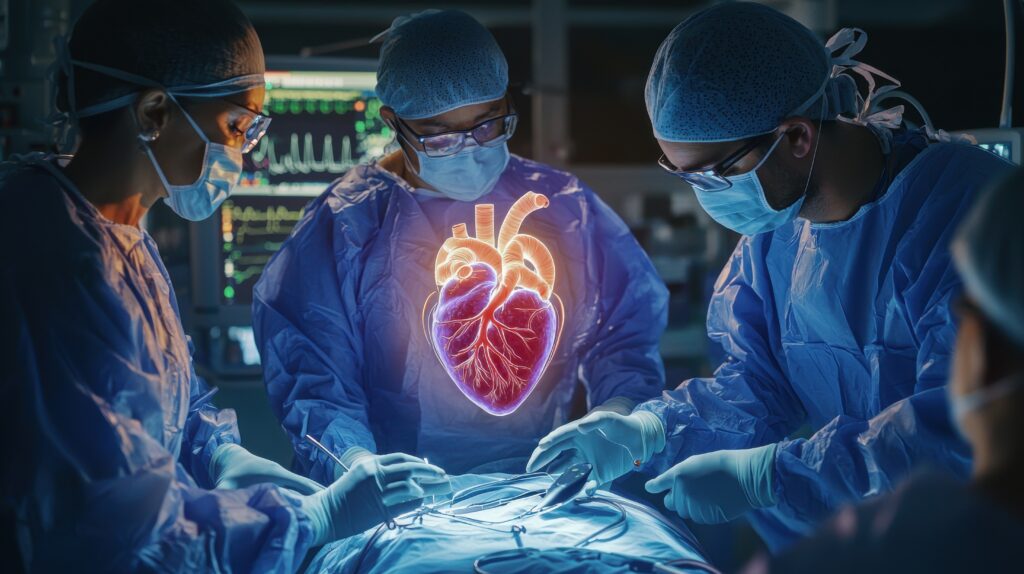
4. Minimally Invasive Cardiac Surgery and Catheter-Based Techniques
Traditional open-heart surgery is no longer the only option for many patients. Currently, heart specialists in Lahore recommend catheter-based or minimally invasive procedures. Such a procedure requires only small entry points.
These techniques are especially beneficial for elderly patients or those with higher surgical risks. Dr Ghulam Sarwar specializes in heart surgeries performed through small incisions, supporting quicker recovery and reduced discomfort.
Minimally invasive cardiac surgery offers:
- Lower physical stress
- Fewer complications
- Faster return to daily life
5. Expansion of Percutaneous Valve Repair and Replacement
Heart valve diseases are increasingly being treated without open surgery. Using catheter-based methods, a trained cardiac surgeon can now repair or replace damaged heart valves.
This approach provides benefits such as:
- Shorter hospital stays
- Faster recovery
- Safer treatment for high-risk patients
These advancements align closely with modern valve repair and replacement techniques practised by experienced surgeons.
6. Increasing Use of Hybrid Cardiac Procedures
Hybrid cardiac procedures combine open surgery with catheter-based treatments. These procedures represent the future of flexible and patient-centred heart care.
A hybrid approach allows a cardiac surgeon to customize the safest and most effective treatment plan for each patient, combining precision with reduced invasiveness.
Hybrid procedures offer:
- Personalized heart care
- Reduced need for large incisions
- Better collaboration between cardiac specialists
7. Personalized Cardiac Treatment and 3D Printing
Every patient’s heart is unique, making personalized care a growing priority for every cardiac surgeon. One innovative tool supporting this trend is 3D Printing.
Using 3D-printed heart models, surgeons can:
- Plan complex surgeries more accurately
- Understand heart anatomy
- Improve communication
Conclusion
Cardiac surgery is entering a new era focused on safety, precision, and patient comfort. With robotic assistance, AI support, advanced 3D imaging, and minimally invasive techniques, a modern cardiac surgeon in Lahore can now offer more effective and patient-friendly heart surgery options.
With extensive experience in minimally invasive cardiac surgery, bypass procedures, valve repair, and complex heart conditions, cardiac surgeons in Lahore, such as Dr. Ghulam Sarwar, represent how these advancements are being applied in real-world practice. For patients and families, understanding these trends helps in making informed decisions about heart care. As technology continues to evolve, the future of cardiac surgery looks promising, offering better outcomes and improved quality of life.