Explore the Expert Diet Guide by the Best Cardiologist in Lahore
Heart-Healthy Diet Tips from Dr Ghulam Sarwar
Nutrition is key to protecting your heart and reducing the risk of heart disease or the need for complex heart surgery. A balanced diet rich in whole foods and low in unhealthy fats can significantly lower the risk of heart disease.
Heart-Friendly Foods to Strengthen Your Health
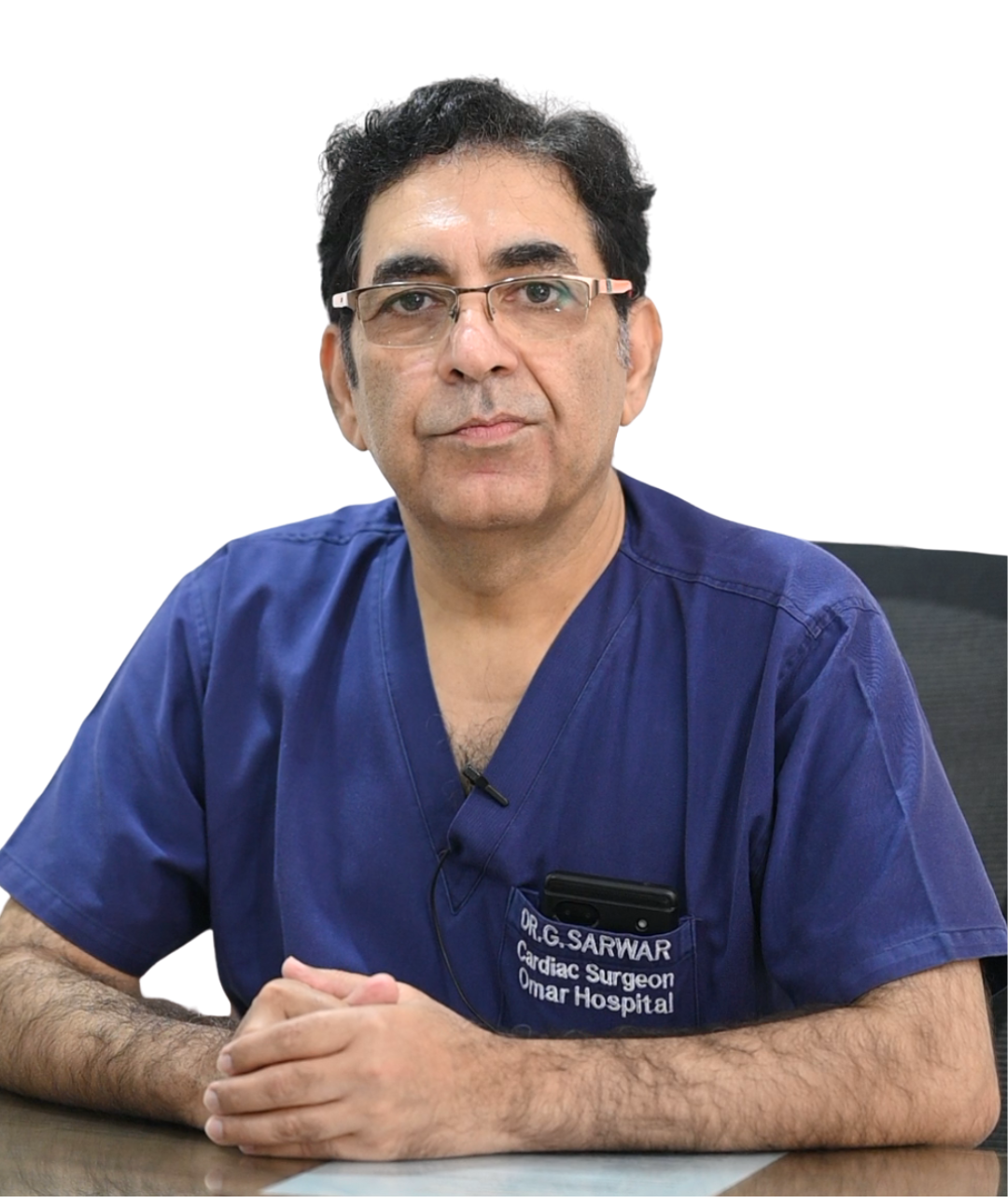
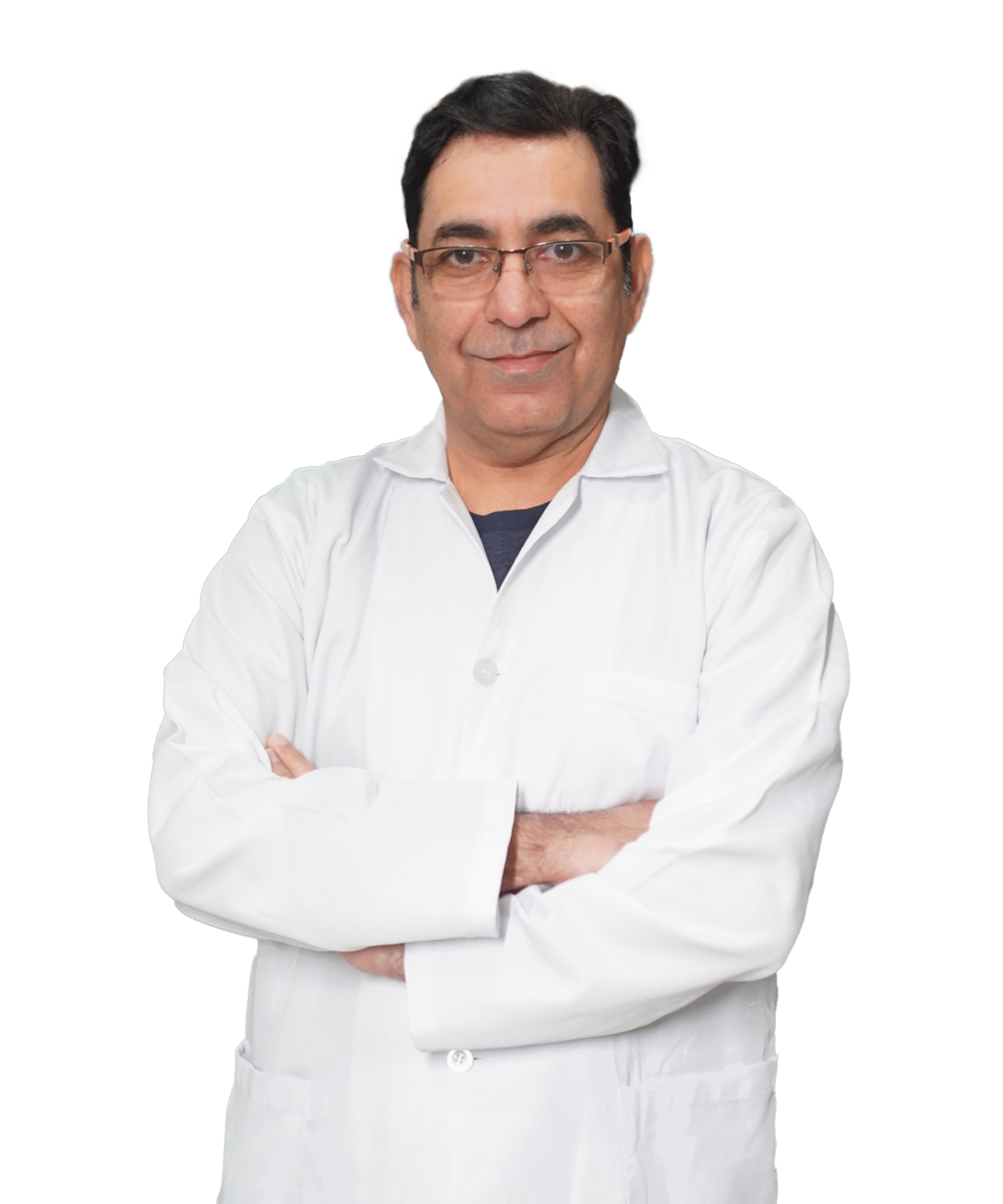
Dr Ghulam Sarwar, an experienced heart specialist and cardiac surgeon in Lahore,
recommends a balanced diet rich in:

Fruits & Vegetables
A colourful plate is a healthy plate. Fruits and vegetables are loaded with vitamins, minerals, fibre, and antioxidants that support heart health. Regular consumption of vegetables and fruits helps reduce blood pressure, cholesterol, and the risk of heart disease.
Whole Grains
Switch to refined grains to wholesome options, such as brown rice, quinoa, oats, and whole-wheat bread. Whole grains lower cholesterol levels, improve digestion, and promote overall cardiovascular strength, reducing the risk of cardiac procedures and surgeries in the future.
Lean Proteins
Incorporate lean proteins into your diet. Fish such as salmon, mackerel, and trout are rich in omega-3 fatty acids that protect against heart disease. Skinless poultry, beans, lentils, and tofu are excellent low-fat alternatives that reduce the need for complex cardiac surgery procedures such as heart bypass surgery or open-heart surgery.
Limit Saturated & Trans Fats
Saturated and trans fats raise cholesterol and contribute to artery blockage, which can lead to coronary artery disease and even open-heart bypass surgery. Reduce your intake of red meat, butter, cheese, and processed or fried foods to maintain optimal cardiac function.

Reduce Cholesterol & Sodium Intake
High cholesterol and sodium levels can cause hypertension and plaque buildup that can trigger issues like cardiac bypass surgery. Limit foods like organ meats and egg yolks, and limit your salt intake. Opt for fresh, unprocessed meals whenever possible to avoid future heart operations or cardiac complications.
Heart-Healthy Fats
Healthy fats are your heart’s best friend. Nuts, seeds, olive oil, and avocados provide essential unsaturated fats that lower bad cholesterol (LDL) and raise good cholesterol (HDL). Consuming these regularly helps you maintain strong arteries and a healthy heart rhythm, reducing the risk of heart surgery in Pakistan or minimally invasive cardiac surgery later on.

Portion Control
Overeating even healthy foods can lead to obesity and increase the risk of heart problems that may require cardiac tests or heart surgery. Use smaller plates, eat slowly, and pay attention to hunger signals to keep your weight and heart health in check.

Stay Hydrated
Adequate water intake is necessary for heart performance and overall well-being. Aim for at least 8 glasses of water daily, and limit sugary beverages and caffeine intake. Proper hydration supports healthy blood flow and heart rhythm, helping avoid the need for future heart specialist consultations or cardiac procedures.

Take Pure Diet
Processed foods often contain high levels of sodium, sugar, and unhealthy fats, which are linked to complications from cardiac surgery and heart disease. Opting for fresh, nutrient-rich meals promotes cardiovascular strength and recovery, especially after minimally invasive cardiac surgery in Pakistan.
Frequently Asked Questions?
Cardiac Health & Nutrition FAQs by the Best Cardiologist in Lahore
Unsaturated fats from nuts, seeds, olive oil, and avocado improve cholesterol and support heart health.
No, not all carbohydrates are harmful. Complex carbs from whole grains (brown rice, oats, quinoa) are healthful. Avoid refined carbs and added sugars.
No, moderation is key. Choose lean cuts and small portions; include plant-based proteins to protect your heart.
Excess sodium contributes to high blood pressure, which is one of the leading causes of heart disease and potential complications from cardiac surgery. To manage sodium levels in your body, follow these guidelines:
- Limit processed foods.
- Use herbs, spices, and lemon instead of salt.
- Opt for fresh or minimally processed meals.
Aim to fill half your plate with fruits and vegetables at each meal. Here is an ideal meal plate plan:
- Smoothies for breakfast
- Salads and stir-fries for lunch
- Light snacks between meals
Follow these simple guidelines from a leading heart surgeon in Lahore to maintain a balanced diet while dining at a restaurant.
- Choose dishes with lean proteins, whole grains, and vegetables.
- Opt for grilled, baked, or steamed dishes.
- Avoid fried dishes.
- Request sauces and dressings on the side to control sodium and fat.
- Share large portions with someone.
- Take the leftovers home instead of eating more than you need.