
Recovery from cardiac bypass surgery is a gradual process that requires patience, consistency, and careful attention to your surgeon’s directions. The procedure improves blood flow to the heart, but the weeks afterward are just as important to a successful outcome.
Many patients are confused about what they can safely do after surgery. Knowing what you can and cannot do in the first six weeks can help to protect your healing heart, reduce complications and lead to a smoother recovery.
Why the First 6 Weeks Matter
The first phase of recovery is healing from the heart procedure and the incision in your chest. During this time, your energy levels may fluctuate, and some activities may need to be temporarily reduced.
Following recovery guidelines after cardiac bypass surgery helps:
- Promote proper healing
- Reduce strain on the heart
- Lower the risk of complications
- Improve long-term recovery outcomes
Recovery Timeline After Cardiac Bypass Surgery
Every patient recovers differently, but most people follow a similar pattern in the first six weeks.
Week 1: Focus on Rest and Healing
The first week is usually spent in the hospital and early recovery at home. In this stage:
- Short walks are encouraged
- Breathing exercises may be recommended
- Fatigue is common
- Mild discomfort around the incision is expected
Weeks 2-3: Slowly Regaining Independence
As energy levels improve, patients can begin performing more daily activities. However, heavy lifting and difficult activities should still be avoided. Most people can:
- Walk longer distances
- Climb stairs slowly if approved
- Perform light household tasks
- Move around the home independently
Weeks 4-6: Building Strength Safely
By this stage, many patients feel noticeably stronger. Activities may gradually increase under medical guidance, including:
- Longer walks
- Light exercise programs
- Participation in cardiac rehabilitation
- Increased daily independence
What You Can Do During the First 6 Weeks
Remaining active is an important part of healing after cardiac bypass surgery. Generally, patients are encouraged to:
- Walk every day
- Follow prescribed rehabilitation exercises
- Climb stairs carefully when approved
- Practice breathing exercises
- Eat heart-healthy meals
- Take medications exactly as prescribed
- Attend follow-up appointments
- Get adequate sleep and rest

What You Should Avoid During Recovery
Some activities could place undue stress on the healing chest and heart. Patients are generally advised to avoid the following in the first six weeks:
- Heavy lifting
- Pushing or pulling heavy objects
- Strenuous exercise
- Driving until cleared by the surgeon
- Smoking
- Excessive alcohol consumption
- Ignoring signs of fatigue
If you feel pain, dizziness, or shortness of breath during an activity, stop and check with your healthcare provider.
Caring for Your Incision
Infection prevention relies heavily on proper wound care. To help heal:
- Keep the incision clean and dry
- Follow bathing instructions provided by your surgeon
- Avoid applying unapproved creams or lotions
- Wear loose, comfortable clothing
Contact your healthcare provider if you notice redness, swelling, drainage, or increasing pain around the incision site.
Nutrition After Cardiac Bypass Surgery
A heart-healthy diet can support healing and help reduce the risk of future cardiovascular problems. Focus on:
- Fruits and vegetables
- Whole grains
- Lean protein sources
- Healthy fats
- Adequate hydration
Limiting processed foods, excess salt, and unhealthy fats can help support long-term heart health.
Managing Pain and Medications
Some discomfort is normal during recovery. Taking medications exactly as prescribed can help:
- Control pain
- Prevent complications
- Support heart function
- Improve overall recovery
Never stop or adjust medications without consulting your doctor.
Emotional Recovery Is Part of Healing
Recovery is not only physical. Some patients experience:
- Mood changes
- Anxiety
- Frustration
- Temporary feelings of depression
This type of feeling is common after major heart surgery. During this time of adjustment, it is helpful to stay in touch with family, follow rehabilitation plans, and discuss concerns with your healthcare team.
How Cardiac Rehabilitation Supports Recovery
Cardiac rehabilitation is a form of structured help after heart bypass surgery. These programmes usually contain the following:
- Supervised exercise
- Heart-health education
- Lifestyle counseling
- Recovery monitoring
Participation can help patients regain confidence and safely return to daily activities.
When Should You Call Your Doctor?
Don’t ignore symptoms that could indicate a complication. See your doctor if you experience the following symptoms:
- Increasing chest pain
- Fever
- Shortness of breath
- Irregular heartbeat
- Increasing incision redness or drainage
- Severe swelling
- Sudden weight gain
- Fainting or dizziness
Early medical evaluation can help prevent more serious problems.
Guiding You Through Recovery and Beyond
Surviving cardiac bypass surgery is not just a matter of the surgery itself. Proper follow-up care, progression of activity and continuous monitoring are important tools to support patients’ safe return to daily life. Dr. Ghulam Sarwar offers complete surgical care and recovery advice, giving patients the confidence to move through every step of the healing process. Patients are given personalised follow-up and expert cardiac care to help them understand their recovery progress and long-term heart health needs.
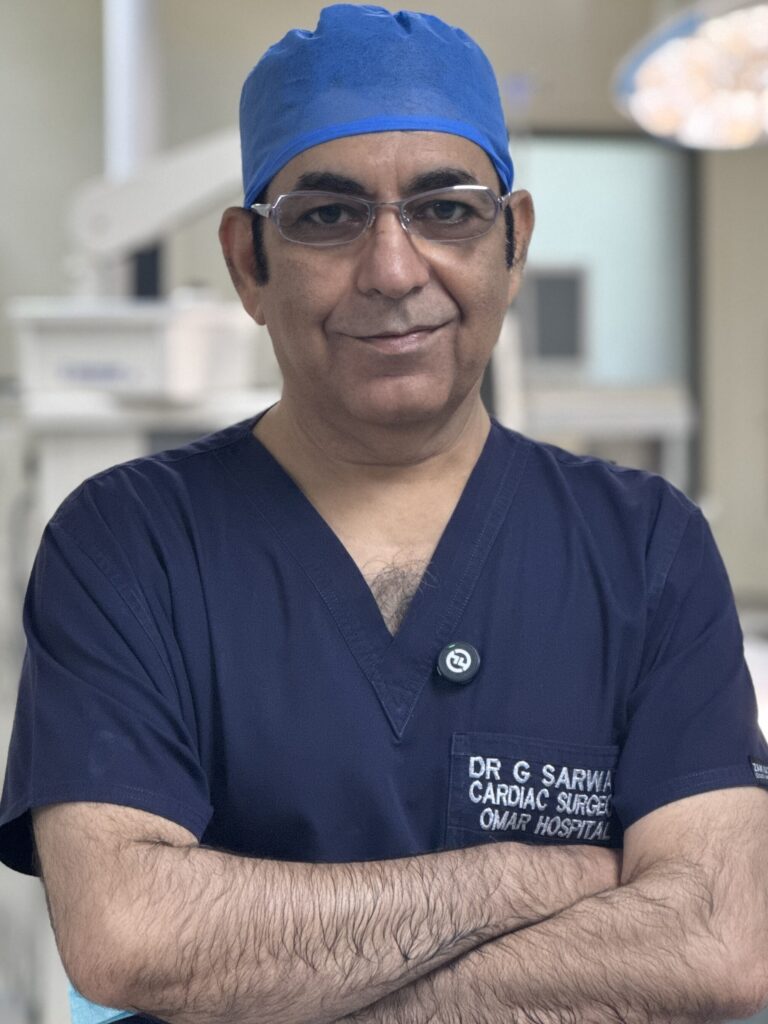
Early detection and treatment of the condition can help preserve heart function, relieve symptoms, and improve long-term outcomes. Book a consultation with Dr. Ghulam Sarwar to discuss your recovery and get expert guidance for your heart health.
FAQs
What foods should be avoided after cardiac bypass surgery?
After heart bypass surgery, limit fried foods, processed snacks, sugary drinks, and foods high in salt or unhealthy fats.
How long after open-heart surgery can you be left alone?
Most patients need some help during the first few days at home, while some can gradually spend more time alone as their recovery progresses.
How soon can I sleep on my side after open-heart surgery?
It varies from person to person. Many patients can start sleeping on their side after a few weeks, but it’s best to follow their surgeon’s advice and only do so when comfortable.
What are the long-term side effects of open-heart surgery?
Some people experience occasional chest discomfort, numbness near the incision, or fatigue during recovery. Most symptoms improve over time with proper care and follow-up.